Alerts

-
6 minutes, 0 seconds
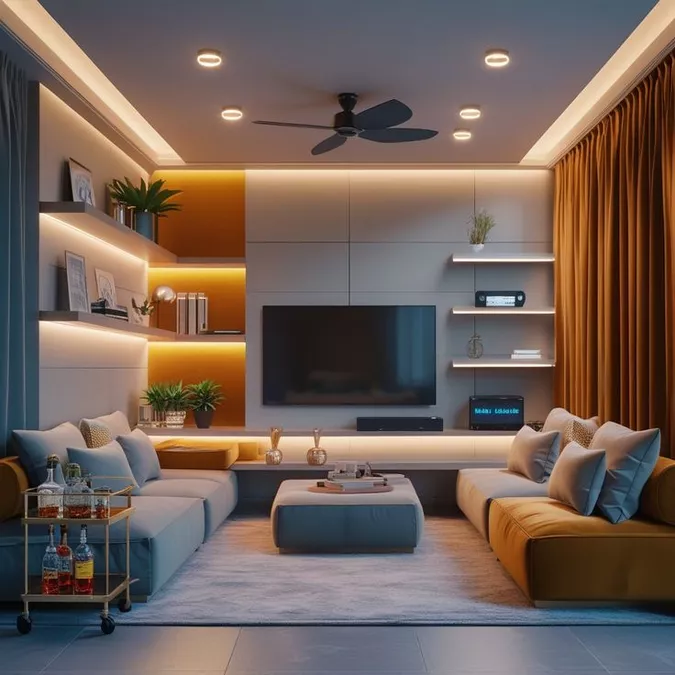
Real estate photography plays an important role in how buyers and renters perceive a property online. Before scheduling a viewing, people often browse property listings and make quick judgments based on the photographs they see. Dark rooms, dull colors, distracting backgrounds, or slightly blurry images can make an otherwise attractive property look less appealing.
This is where an real estate photo enhancement can become a useful part of the real estate photography workflow. Modern enhancement tools can improve image clarity, lighting, color balance, and overall presentation without requiring advanced photo-editing skills. When used carefully, these tools can help real estate professionals present properties more clearly while keeping photographs realistic.
A property listing has only a few seconds to capture someone's attention. Clear and well-balanced photographs can make it easier for potential buyers to understand the property's layout, condition, and features.
Real estate photos are particularly challenging because properties often contain different lighting conditions. A room may have bright windows but darker corners, while outdoor photographs can be affected by harsh sunlight or cloudy weather.
Professional photography can address many of these challenges, but even well-taken photographs may benefit from careful post-processing.
For many buyers, an online listing is their first interaction with a property. Photos that look clean, sharp, and properly exposed can create a more professional impression.
This does not mean photographs should make a property look completely different from reality. Instead, the goal should be to present the property accurately while improving technical qualities such as brightness, sharpness, and color consistency.
An image enhancer is a digital tool designed to improve specific qualities of a photograph. Depending on the software, enhancement features may include sharpening, noise reduction, brightness adjustment, contrast improvement, color correction, and resolution enhancement.
AI-powered image enhancement tools can also analyze photographs automatically and apply adjustments based on the image's characteristics.
For real estate professionals, this can save time when preparing a large number of listing photographs.
Real estate photo enhancement is not simply about making pictures brighter or more colorful. Different types of adjustments can solve different photography problems.
A slightly soft photograph can make architectural details difficult to see. An image enhancer can sometimes improve perceived sharpness and make details such as flooring, cabinetry, fixtures, and room features easier to recognize.
However, enhancement cannot always restore information that was never captured by the original camera. A heavily blurred or severely underexposed image may still require a new photograph.
Interior photography often presents an exposure challenge. Windows may appear extremely bright while the rest of the room looks dark.
Careful exposure and shadow adjustments can help create a more balanced image. The objective is to make the room easier to view without removing the natural relationship between highlights and shadows.
Different light sources can produce different color temperatures. For example, artificial indoor lighting may create yellow or orange tones, while daylight can appear cooler.
Color correction can help make walls, floors, furniture, and other features appear closer to their actual appearance.
Photographs taken in low-light conditions can contain visible grain or digital noise. Noise reduction can produce a cleaner image, particularly when photographs were captured at higher ISO settings.
The key is moderation. Excessive noise reduction can remove fine details and create an unnatural, overly smooth appearance.
One of the most important considerations when editing property photographs is accuracy.
Enhancement should improve presentation without misleading potential buyers. Removing minor distractions or correcting exposure can be reasonable, but editing should not hide important property conditions or permanently alter features.
For example, changing the brightness of a dark room is different from digitally removing structural damage. Similarly, improving a lawn's color is different from adding landscaping that does not actually exist.
A useful rule is simple: enhance the photograph, not the property.
Real estate images should give viewers a realistic understanding of what they can expect when they visit the property. Honest photography helps build trust and reduces the possibility of disappointment during an in-person viewing.
Using an image enhancer enhancement tool effectively requires more than clicking an automatic improvement button. A few simple practices can produce better results.
Enhancement works best when the original photograph is already reasonably well exposed and focused. Whenever possible, use a high-resolution source image.
Avoid pushing sharpness, contrast, saturation, or brightness too far. Subtle improvements generally produce a more natural result.
If a property listing contains ten or twenty photographs, they should have a relatively consistent appearance. Large differences in color temperature or exposure can make the listing feel unprofessional.
Zoom into important areas after editing. Look at windows, straight lines, furniture edges, walls, and architectural details to make sure enhancement has not introduced unwanted artifacts.
Artificial intelligence is making image editing more accessible. Instead of manually adjusting every setting, AI-based tools can identify common photographic problems and suggest or apply corrections.
This can be particularly helpful for real estate agents, property managers, photographers, and marketing teams who need to process multiple images quickly.
However, automated enhancement should still be reviewed by a person. AI tools can occasionally produce unrealistic textures, unusual edges, excessive sharpening, or inaccurate colors.
Human review remains important when image accuracy matters.
A good workflow can make real estate marketing more efficient.
Start by capturing high-quality photographs with appropriate composition and lighting. Select the strongest images, then perform basic corrections such as cropping, exposure balancing, and color adjustment.
An image enhancer can be used afterward for tasks such as improving clarity, reducing noise, or increasing the usable resolution of an image.
Finally, review the completed photographs side by side. This helps ensure that the entire property listing has a consistent visual style.
Technology can improve photographs, but it cannot completely replace good photography practices.
Proper camera settings, stable composition, suitable lighting, clean spaces, and thoughtful framing remain important. Enhancement tools are most effective when they are used as a finishing step rather than a solution for every photography problem.
The combination of strong original photographs and careful editing can produce property images that are attractive, informative, and trustworthy.
Real estate photo enhancement can make a significant difference in how property listings are presented online. From improving clarity and exposure to correcting colors and reducing digital noise, an image enhancer can help real estate professionals create cleaner and more consistent photographs.
The most effective approach is to keep enhancement subtle and realistic. Start with high-quality original images, make controlled adjustments, check the results carefully, and avoid edits that could misrepresent the property.
When technology is combined with good photography practices and honest presentation, enhanced real estate images can help viewers understand a property better and make more informed decisions.
Further information: Click Here


8.4K articles

2.7K articles

1.6K articles

34 articles








Comment