How AI smart glasses for low-vision users are changing lives
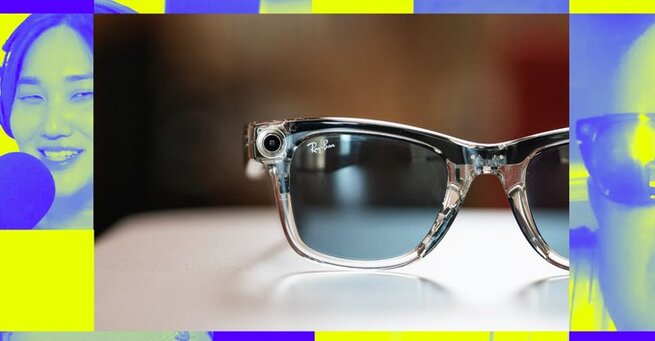
AI smart glasses for low-vision users are no longer a futuristic fantasy—they’re a reality that’s reshaping accessibility. These devices, like the Ray-Ban Meta smart glasses, use advanced artificial intelligence to offer real-time visual assistance, object identification, and navigation support. For blind and visually impaired individuals, this technology can mean greater independence, improved mobility, and more confidence navigating the world. Far from being a gimmick, smart glasses with AI capabilities are providing real solutions to real challenges—and the low-vision community is leading the way in adoption.
User experiences show the true power of AI smart glasses for low-vision users
Jason Valley, a visually impaired tech enthusiast and Verge listener, credits AI-powered smart glasses with helping him live a more independent life. After trying the Ray-Ban Meta glasses equipped with Meta AI, he challenged the idea that this technology was “a solution looking for a problem.” In fact, the ability to ask questions about surroundings, read text aloud, and recognize faces has made his daily routines smoother and more intuitive. His story highlights the untapped potential of inclusive innovation and how assistive tech should always be guided by real-world needs.
AI integration makes smart glasses more than just wearable tech
Companies like Be My Eyes are helping redefine what accessibility means in the age of AI. Their app pairs visually impaired users with sighted volunteers, and now integrates AI to provide instant GPT-4-based visual interpretations. CEO Mike Buckley explains that combining AI with smart glasses is a natural evolution—it allows hands-free help, real-time feedback, and personalized support. This convergence of hardware and intelligent software is making smart glasses indispensable tools, not just wearables. The technology is no longer about novelty; it’s about necessity and empowerment.
What’s next for AI smart glasses for low-vision users?
As adoption grows, so do conversations around improvements and boundaries. Accessibility experts emphasize the need for ongoing collaboration with disabled communities to refine these tools. From enhancing visual recognition capabilities to ensuring privacy in public spaces, there's room for thoughtful development. Questions like whether smart glasses belong in intimate settings (yes, that came up on the Vergecast) show just how integrated the tech is becoming in everyday life. What’s clear is that AI smart glasses for low-vision users aren’t a passing trend—they’re a powerful step forward in universal design.














Comment