Two Women, One Message: Take the Leap
Within days of each other, two women made headlines for attempting risky ocean endurance feats. Kelsey Pfendler completed a solo row from California to Hawaii, becoming the fastest person to make the crossing. Catherine Breed launched an attempt to become the first person to swim the entire California coastline. Together, their accomplishments challenge one of the most persistent stereotypes about women: that women are not risk-takers.
These stories inspire women to take risks, but research shows that many women hold back—not because they lack courage, but because of the different messages they receive from society. Here’s what we can learn from these two ocean athletes and the science behind risk-taking.
Kelsey Pfendler: Solo Row in Record Time
On July 3, Kelsey Pfendler became the fastest person to row solo from California to Hawaii. She completed the 2,400-mile crossing in just 43 days. That’s nine days faster than the previous men’s record and 43 days faster than the previous women’s record.
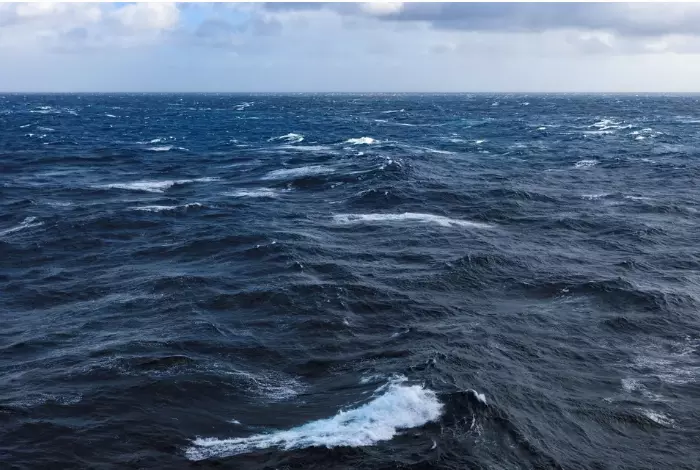
Launching from Monterey, California, in a 21-foot rowboat, Pfendler faced huge waves, high winds, and storms. She slept only about 2.5 hours per night. She even capsized during the trip. But one of her biggest challenges? Being her own worst enemy.
In a social media video, she said: “The way you respond to problems is so much more important than the problem itself.”
As she approached Oahu, Hawaii, she shared her advice: “Think about trying to find your own big, hard, scary thing. You might not think you are strong enough to finish it right now, but you’re definitely strong enough to start it.”
The next day, she told Good Morning America she hoped her journey inspires women to take some chances.
Catherine Breed: Swimming the California Coast
Two days before Pfendler finished her row, Catherine Breed set out to be the first person to swim the entire California coastline. She started at the Oregon border on July 1. Her plan: swim five to eight hours a day until she reaches the Mexico border sometime this fall.
That means swimming more than 800 miles in the open Pacific Ocean. She faces great white sharks, elephant seals, venomous jellyfish, storms, currents, and hypothermia.
On day seven, she was off the coast near Orick, California. A small support crew follows her in a sailboat.
Before launching, Breed said: “I feel nervous about it, of course. If I didn’t feel nervous, something is wrong with me.”
Her goal? “I want to inspire and motivate others to see what they are capable of. It is a privilege to see how tough you can be.”
Breed has already set records, including being the first person to swim from the Golden Gate Bridge to Half Moon Bay, and the fastest swim between the Farallon Islands and the Golden Gate Bridge.
Why Some Women Hold Back: The Research
One of the most striking things about these feats is that their gender still feels relevant. These women challenge the idea that women are not risk-takers. But research shows that women are not always encouraged to take risks.
Girls and Boys Receive Different Messages
From a young age, girls get different messages about risk than boys do. In a classic study, parents encouraged boys more than girls to complete a challenging playground task without help. Parents stepped in to help girls more often—even though both sexes were equally capable. The researchers concluded that parents promote greater risk-taking by boys than girls.
In the Workplace, Feedback Differs
Risk-taking is often seen as a leadership trait. If women are perceived as risk-averse, some argue, this could explain why fewer women reach leadership positions.
But the research tells a different story. In five studies with more than 2,200 participants, researchers found no overall gender difference in workplace risk-taking. Instead, they found that women received more negative feedback than men for taking risks at work. That negative feedback made women less likely to take similar risks again.
In one experiment, participants imagined accepting an unfamiliar assignment—what Pfendler might call a “big, hard, scary thing.” When women and men received the same consequences (positive or negative), they were equally willing to take on a similar challenge in the future.
In the real world, however, women report more negative feedback for taking workplace risks, while men report more positive feedback. This difference holds women back.
What We Can Learn from Pfendler and Breed
Despite receiving negative feedback, women still need to take risks to reach leadership roles. Pfendler and Breed’s stories are inspiring because they show that taking risks doesn’t mean having no fear. It means moving forward despite the fear.
- Pfendler’s advice: Find your own “big, hard, scary thing.” You’re strong enough to start it, and you’ll learn along the way.
- Breed’s advice: Discover “how tough you can be.” Fear is normal—act anyway.
These lessons apply just as well in the workplace as they do on the Pacific Ocean. Whether you’re leading a team, starting a new project, or chasing a personal goal, remember: the real risk is not taking one at all.














Comment