Alerts

-
4 minutes, 31 seconds
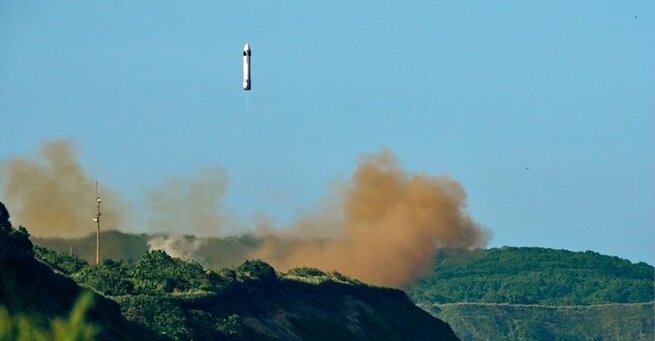
In June 2025, Honda stunned the tech and automotive world by successfully launching and landing a 20-foot-long reusable rocket from its Hokkaido research facility. While the Japanese automaker is best known for cars, motorcycles, and scooters, this ambitious space initiative signals a bold expansion beyond terrestrial transportation. Curious minds are asking: Is Honda trying to rival SpaceX, or is this a strategic step in its broader mobility vision?
Honda isn’t new to ambitious engineering feats. Over decades, it has developed everything from the world’s first in-car navigation system to Level-3 autonomous driving vehicles. Its innovations span land, sea, and sky, including boats, jets, and ATVs. Now, space is the next frontier, aligning with Honda’s pattern of pushing technological boundaries while supporting everyday mobility.
Kazuo Sakurahara, former Honda Formula One director and current head of its space development strategy, explains that the move is a logical evolution. “Honda products have already expanded across land, sea, and sky. Space is the next field of opportunity,” he says. The initiative may sound ambitious—or even whimsical—but it reflects Honda’s methodical approach to innovation.
Honda frames its rocket program as a way to “contribute more to people’s daily lives.” Yet there’s strategic intent beneath the message: reusable rockets could launch satellites that enhance mobility, energy, and communication. These satellites are vital for connected cars, advanced driver-assistance systems, and autonomous vehicle operations, extending Honda’s reach far beyond conventional transportation.
The comparison to Elon Musk’s SpaceX is inevitable. Honda’s rockets aren’t yet at the commercial scale of SpaceX, but the prototype success demonstrates serious capability. Analysts suggest Honda is positioning itself not just as a carmaker but as a mobility conglomerate that now includes aerospace technology. The move could reshape how transportation companies engage with space-based infrastructure.
Honda’s skunkworks R&D centers have a long history of radical innovation. From automatic braking systems to jet propulsion, the company thrives on solving complex engineering challenges. The reusable rocket project continues this tradition, emphasizing sustainability and repeatable technology—principles that have guided Honda for decades in automotive and aviation fields.
While concrete commercial applications remain in development, Honda’s vision is clear: reusable rockets to support satellites, connectivity, and autonomous mobility solutions. The company plans iterative tests, scaling from small prototypes toward fully operational rockets. For now, Honda’s leap into space is a blend of bold experimentation and calculated engineering, capturing attention worldwide.
Honda’s entry into space marks a transformative moment in mobility and engineering. By integrating aerospace technology with its traditional vehicle expertise, Honda demonstrates that the next wave of innovation may stretch far beyond roads, rails, and skies—reaching into orbit itself. The world now watches as a familiar automotive giant reaches for the stars.










Comment