How the GOP Spending Bill Threatens Renewable Energy
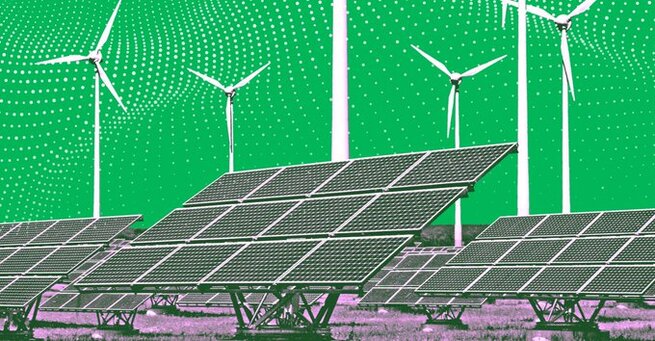
The GOP spending bill renewable energy debate is heating up after the Senate passed a sweeping package that could dramatically alter the future of solar and wind energy in the U.S. While lawmakers removed a controversial excise tax at the last minute, the bill still tightens restrictions on clean energy tax credits, potentially choking off the rapid growth of renewables. The bill’s return to the House will determine whether the U.S. keeps its climate promises — or backtracks on years of progress.
Key Provisions in the GOP Spending Bill Target Clean Energy
Although the bill avoided the harshest penalties — like the now-removed excise tax on solar and wind — it imposes strict new timelines on when clean energy projects must begin or be completed to qualify for Biden-era tax incentives under the Inflation Reduction Act. These deadlines ignore the long development cycles of renewable infrastructure. The policy shift could block projects in red states that ironically stand to gain the most from clean energy jobs and investments.
Why Renewable Energy Advocates Are Sounding the Alarm
Industry leaders and environmental groups warn the GOP spending bill renewable energy measures are more than red tape — they’re an existential threat. By gutting energy efficiency programs, rolling back EV tax credits, and cutting off support for solar and wind, the bill could reverse critical emissions reductions and job creation gains. Advocates argue that punishing the fastest-growing sources of electricity will drive up utility bills and hurt communities nationwide, especially those already vulnerable to climate change.
Nuclear Energy Gains as Wind and Solar Lose Ground
Interestingly, the bill aligns with Trump-era energy priorities, favoring nuclear and fossil fuel development over renewables. Figures like Secretary of Energy Chris Wright, a former oil executive, and tech allies such as OpenAI’s Sam Altman are pushing for nuclear as a longer-term solution. Yet, renewables are already powering millions and recently surpassed coal in U.S. electricity generation. Critics argue that sidelining wind and solar now will leave the nation energy-insecure and delay climate action at a time when demand for clean power is surging — especially to support AI data centers and electric vehicles.














Comment