
Alerts
-
3 minutes, 37 seconds
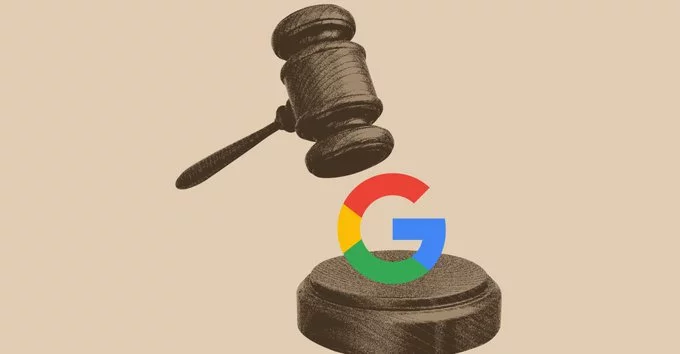
Google won’t just admit it’s feeding YouTube creators to its music AI. The tech giant has been quietly using videos, audio, and metadata from YouTube to train its artificial intelligence models for music generation. This practice raises serious questions about creator rights, consent, and fairness.
YouTube creators pour hours into original content. Yet, Google’s AI tools—like Lyria and Dream Track—learn from that very content without clear permission. Let’s break down what’s happening, why it matters, and what you can do.
Google’s music AI relies on massive datasets. YouTube, being the world’s largest video platform, is a goldmine. Here’s how it works:
Google argues this falls under “fair use” or public data. But creators feel blindsided. Many never agreed to have their work used this way.
The controversy centers on transparency. Google has not publicly confirmed which datasets include YouTube content. However, leaked documents and internal reports suggest that music AI models rely heavily on platform data.
Key concerns include:
For example, a musician who uploads guitar tutorials might find their riffs used in AI-generated pop songs. Google profits, but the creator gets nothing.
Google’s official stance is vague. Spokespeople say the company “respects creator rights” and follows copyright laws. Yet, their actions tell a different story.
In 2023, Google launched Dream Track, an AI tool that mimics famous artists. To train it, they needed licensed music from stars like Charli XCX and John Legend. But for the broader AI, they likely used unlicensed YouTube content from smaller creators.
This double standard frustrates the community. Big artists get paid. Small creators get ignored.
If you’re a YouTuber, your content is likely part of Google’s AI training pool. This can impact you in several ways:
Worst of all, you have no control. Google hasn’t offered a way to block this use.
While the situation is frustrating, there are steps you can take:
You can also adjust your content strategy. Focus on unique, personal elements that AI can’t easily copy—like your voice, storytelling, or visual style.
This isn’t just about YouTube. Google’s music AI is part of a larger trend. Tech companies are training AI on creator content across platforms—Spotify, TikTok, and Instagram included.
Without clear laws, creators lose. The European Union’s AI Act and the U.S. Copyright Office are starting to address this. But change is slow.
Until then, Google won’t admit it’s feeding YouTube creators to its music AI. That’s why staying informed and vocal is critical.
Google’s silence on this issue speaks volumes. Creators deserve transparency, choice, and fair pay. If you value your content, keep pushing for answers.
Want to stay updated? Follow tech news, join creator forums, and never stop asking: “What data is AI using, and who gave permission?”








Comment