Alerts

-
2 minutes, 26 seconds
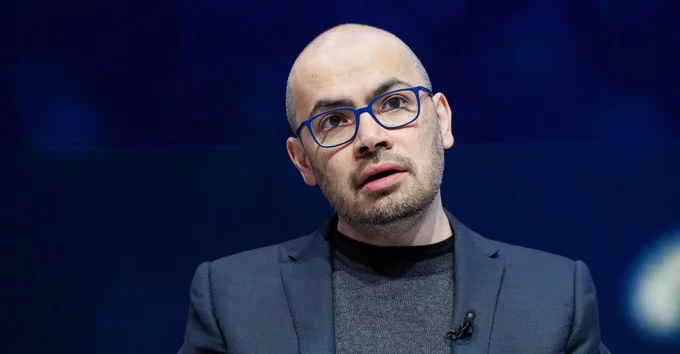
In a bold statement that is reshaping conversations around artificial intelligence, Google DeepMind CEO Demis Hassabis has urged the creation of a global AI watchdog — and he believes the United States should lead it. This call for international AI regulation comes as governments and tech leaders scramble to manage the rapid growth of AI technologies like ChatGPT, Gemini, and other advanced models.
Hassabis argues that AI is no longer a national issue. It is a global one. Without a central authority, different countries could create conflicting rules, leaving dangerous gaps in safety and ethics. A unified watchdog, led by the US, could set consistent standards for AI development, testing, and deployment.
Hassabis points out that the US is home to many of the world's leading AI companies, including Google, Microsoft, and OpenAI. It also has a strong history of tech regulation and a democratic framework that values transparency. By leading the watchdog, the US could set a global example for responsible AI governance.
Of course, creating a global watchdog is not easy. Countries like China and Russia may resist US-led oversight. There are also questions about funding, enforcement power, and how to keep the watchdog independent from corporate influence. Still, Hassabis believes the benefits outweigh the risks.
Whether you use AI for work, school, or daily tasks, regulation matters. A global watchdog could mean:
Many tech leaders agree with Hassabis. Sam Altman of OpenAI has also called for global AI regulation. However, some worry that too much regulation could slow innovation. The key, experts say, is finding a balance between safety and progress.
Hassabis's comments are likely to spark debates at upcoming global tech summits. The US government has already taken steps, including the White House AI Executive Order. But a formal global watchdog will require international treaties and agreements. That could take years.
For now, the message is clear: AI regulation is no longer optional. It is essential. And according to one of AI's brightest minds, the US should lead the way.
Stay informed about the latest in AI regulation and global tech policy. Follow our blog for more updates on how artificial intelligence is shaping our world.










Comment