
Alerts
-
7 minutes, 14 seconds
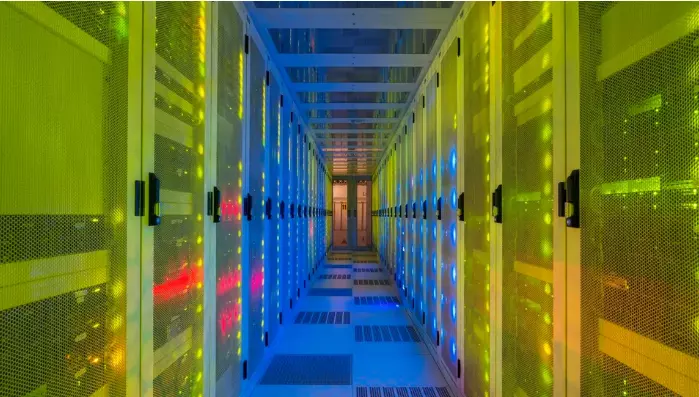
The AI jobs boom is expanding far beyond software engineers and machine learning experts—and many high-paying roles are flying under the radar. While most people associate AI careers with coding and advanced degrees, a growing number of positions now focus on the infrastructure powering artificial intelligence. These roles, often based in data centers, can pay over $100,000 and sometimes don’t require a traditional tech background. For job seekers wondering where the real AI opportunities are, the answer may be surprising. The fastest-growing segment isn’t always visible online or in headlines. Instead, it’s quietly driving the entire AI ecosystem.
Behind every AI model and digital service lies a vast network of physical infrastructure—data centers. These facilities store, process, and manage the enormous volumes of data required for AI systems to function. According to insights from leadership at Google, hiring in data centers has become a major focus as demand for AI continues to rise. While the public often imagines tech hiring concentrated in places like Silicon Valley, the reality is far more distributed. Data center roles are growing rapidly across multiple regions worldwide. These jobs are essential to keeping AI systems running smoothly. Without them, even the most advanced models would fail to operate.
One of the most surprising aspects of this trend is how accessible many of these roles are. Positions such as data center technicians, operations specialists, and program managers are in high demand. Some of these jobs do not require a computer science degree and instead value hands-on experience or technical training. Despite this, salaries can reach six figures, with certain roles offering compensation well above $100,000. This challenges the common belief that high-paying AI jobs are limited to highly specialized engineers. Instead, it opens the door for a broader range of workers to enter the industry. For many, this represents a new pathway into tech without traditional barriers.
Data center jobs span a wide range of responsibilities, from maintaining hardware systems to managing large-scale operations. Technicians ensure servers run efficiently, while facilities specialists handle critical systems like cooling and power. Program managers coordinate projects that keep these complex environments functioning at scale. More advanced roles, such as data center engineers, focus on design, construction, and optimization. Each position plays a vital role in supporting the infrastructure behind AI technologies. Together, they form the backbone of the digital economy. These are not just support roles—they are mission-critical to the future of AI.
The demand for data center professionals is not limited to one region. Companies are hiring across the United States, Europe, and Asia to meet growing infrastructure needs. In addition to Google, major players like Amazon and Equinix are aggressively expanding their data center operations. This global hiring trend reflects the scale of AI adoption across industries. As more businesses integrate AI into their operations, the need for reliable infrastructure continues to grow. This creates a steady pipeline of job opportunities worldwide. For workers, it means greater flexibility in where and how they work.
Interestingly, the AI boom is also driving a resurgence in skilled, hands-on roles. Jobs that require physical expertise—such as HVAC specialists and electrical technicians—are becoming increasingly valuable. These positions are essential for maintaining the environments where AI systems operate. Unlike many digital roles, they require on-site presence and practical problem-solving skills. This makes them less vulnerable to automation, even in an AI-driven economy. As a result, blue-collar work is gaining renewed recognition and importance. It’s a shift that challenges outdated perceptions of what a “tech job” looks like.
Another key trend shaping the AI jobs boom is the growing emphasis on practical experience. Employers are increasingly open to candidates with trade school backgrounds, certifications, or hands-on training. In some cases, equivalent experience can replace formal education requirements entirely. This shift reflects the real-world demands of data center operations, where technical skills often matter more than theory. It also makes these roles more accessible to a wider talent pool. For job seekers, this represents a significant opportunity to enter a high-growth industry. It’s a move toward a more inclusive and skills-based hiring model.
The rise of data center roles signals a broader transformation in the future of work. AI is not just creating new digital jobs—it’s reshaping entire industries and redefining career paths. The focus is shifting from purely intellectual work to a blend of technical, operational, and physical expertise. This evolution is expanding access to high-paying opportunities across different skill levels. For workers willing to adapt, the possibilities are growing rapidly. The AI economy is no longer limited to coders—it includes anyone who can help build and maintain its foundation. And in this new landscape, some of the most valuable roles are the ones few people are talking about.










Comment