
Alerts
-
3 minutes, 14 seconds
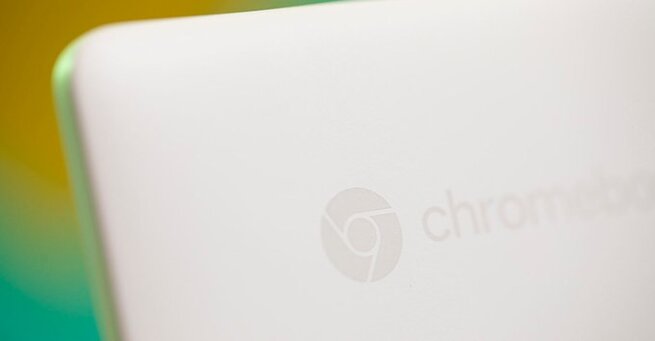
Google’s ChromeOS and Android Merger: What It Means for Users
Google’s long-speculated move to merge ChromeOS and Android has finally been confirmed. This bold step signals a significant transformation in how the tech giant plans to unify its operating systems across laptops, tablets, and mobile devices. According to Sameer Samat, President of Google’s Android ecosystem, the company is officially working on combining the two platforms into one cohesive system. This shift addresses a common user query: will Chromebooks and Android tablets eventually operate on a shared system? The answer is now a resounding yes — and the implications are big.
Why Google Is Merging ChromeOS and Android
Unifying ChromeOS and Android offers a streamlined experience for users across devices. Over the past few years, Google has faced challenges in keeping pace with Apple’s iPadOS, especially in the tablet and hybrid-laptop markets. By consolidating its development efforts, Google hopes to enhance feature parity and performance consistency. This also means that Android’s improved desktop mode, support for resizable windows, and enhanced external display capabilities may soon become standard features on Chromebooks. The merger could simplify development for app creators and improve the overall Android experience on larger screens.
How This Affects Chromebook and Android Users
Users of Chromebooks and Android devices will likely see more integrated updates, smoother transitions between mobile and desktop modes, and greater compatibility across the Google ecosystem. Already, Chromebooks support a wide range of Android apps — but limitations in design and function have persisted. The new unified platform may resolve those pain points, bringing better multitasking, advanced productivity tools, and seamless cross-device communication. For developers and users alike, this represents a more future-proof and versatile Google environment.
What Comes Next for Google’s Unified Platform
Although this merger has been rumored since 2015, Google now appears ready to follow through. The transition is gradual — ChromeOS is already being developed on large parts of the Android stack. However, a full unification could still take time. Google’s careful approach suggests a desire to avoid past missteps while ensuring compatibility across millions of existing devices. Once complete, the ChromeOS and Android merger could redefine what a Google-powered device is capable of — from smartphones to tablets to laptops — all running a shared, powerful platform.







Comment