
Alerts
-
4 minutes, 32 seconds
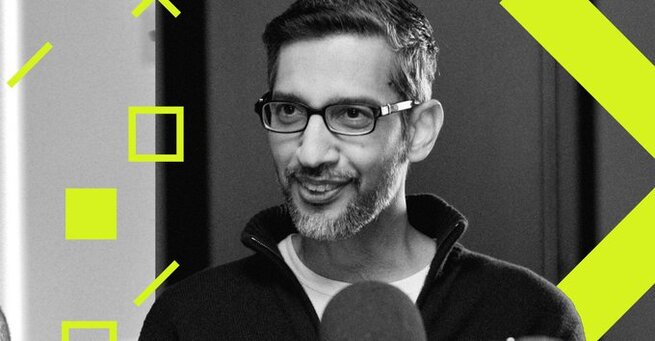
What is Sundar Pichai’s vision for the future of Google and AI? As CEO of Alphabet and Google, Sundar Pichai has become the face of a massive platform shift that’s reshaping how we search, connect, and interact online. During the recent Google I/O developer conference, he unveiled a bold strategy that moves beyond conventional web searches. Google’s future lies in AI agents, custom search results, and integrated app-like experiences that aim to redefine how we use the internet forever.
Whether you’re wondering how this will affect Google Chrome’s dominance, what AI-driven tools like Gemini and Veo 3 mean for content creators, or how Google plans to handle antitrust scrutiny while maintaining search integrity, Pichai’s insights are both groundbreaking and practical.
At Google I/O, Sundar Pichai introduced a radical shift in search technology. With the rollout of AI Mode, Google’s new search interface doesn’t just return links—it dynamically creates interactive charts, custom apps, and immersive experiences right in your search results. This goes far beyond traditional SEO tactics, signaling a transition to a personalized search experience where users get answers, tools, and recommendations in real-time.
Sundar Pichai’s conversation with Nilay Patel highlighted an intriguing trend: the web isn’t just a collection of static pages anymore. As AI agents start browsing and interacting with data, websites become more like databases than traditional destinations. This shift raises key questions:
How will companies like Uber, DoorDash, and Airbnb maintain their brand identity when AI intermediaries handle transactions?
Will smaller publishers survive when Google’s AI tools pull data directly from their content?
These developments echo broader Web 3.0 trends, where blockchain, decentralized apps, and AI agents create a more automated, personalized web experience.
No discussion of Google’s future is complete without addressing its ongoing antitrust challenges. During the podcast, Pichai tackled the U.S. government’s demands for Google to potentially divest Chrome. Despite political pressures—including accusations of search bias—Pichai insisted on Google’s commitment to maintaining a neutral, user-first approach.
By keeping Google Search "sacrosanct," Pichai signaled a firm stance against manipulating search rankings for political or commercial gain. However, the shift to AI-generated results and agent-driven searches could raise new questions about transparency, competition, and control over web traffic.
Beyond software, Pichai also touched on Google’s next hardware frontier. Smart glasses with integrated real-time translation and AI overlays are just the beginning. With competitors like OpenAI and Jony Ive forming powerful partnerships, Google is racing to lead the AI hardware space. Pichai’s vision goes beyond the mobile revolution—he sees AI as a new layer of creativity and capability, transforming how we code, design, and interact with the digital world.
Whether you’re optimizing for Google’s evolving algorithms, building AI-ready products, or navigating the implications of AI agents on commerce and media, Pichai’s vision is a clear signal: adapt or risk falling behind.










Comment