
-
5 minutes, 3 seconds
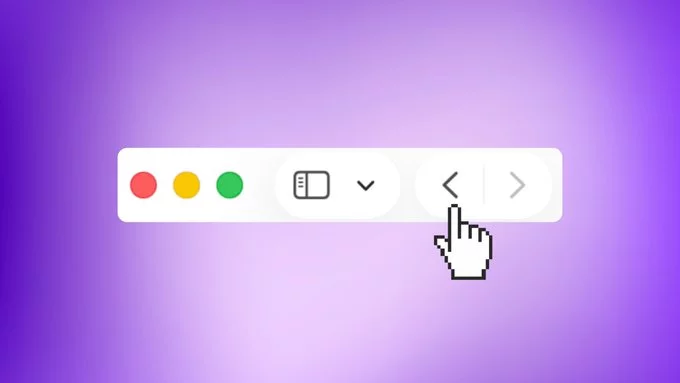
Users searching for answers about Google’s latest search quality update are increasingly asking what the new back button policy means for websites and browsing safety. Google is preparing to penalize sites that manipulate or “trap” users through back button hijacking, a deceptive practice that disrupts normal navigation. The update, set to roll out in June 2026, targets pages that interfere with the browser’s back button behavior. This change aims to improve user trust, reduce misleading redirects, and ensure smoother access to search results and web pages.
The new Google back button policy is designed to stop websites from interfering with how users return to search results or previous pages. This includes techniques that rewrite browser history, force redirect loops, or insert unwanted intermediary pages when users try to leave a site. According to Google’s updated spam rules, these behaviors fall under malicious practices because they break user expectations and reduce trust in search results.
Weak navigation control is one of the most frustrating experiences for internet users, and back button hijacking directly contributes to this issue. When a site prevents the back button from functioning correctly, users may get stuck in loops or redirected to pages they did not intend to visit. This not only wastes time but also creates a sense of mistrust toward the website and search engine results.
To enforce the new policy, Google will rely on a combination of automated systems and human reviewers. Automated detection tools can identify patterns such as history manipulation scripts or repeated redirect chains that interfere with navigation. In more severe cases, manual reviews may lead to ranking reductions or removal from search visibility until the issue is resolved.
Website owners are advised to audit their scripts and remove any code that manipulates browser history or interrupts back button functionality. Even third-party ad scripts or embedded tools can cause unintended navigation issues, so developers must review all integrations carefully. The goal is to ensure that users can always return directly to the previous page without unnecessary interference.
Common examples of back button hijacking include pages that instantly redirect users when they attempt to return to search results, or websites that open multiple intermediary pages before allowing exit. Some sites also use script-based history manipulation to overwrite the user’s navigation path, making the back button behave unpredictably. These tactics are often associated with aggressive advertising networks or low-quality content farms seeking to maximize page views. While they may temporarily increase engagement metrics, they ultimately harm credibility and violate modern search quality standards that prioritize user control and transparency.
Industry experts view this policy as part of a larger evolution in search quality enforcement. As user expectations continue to rise, search engines are increasingly focused on eliminating deceptive design patterns that reduce usability. The emphasis is shifting from keyword manipulation to genuine user experience signals, including navigation clarity and page transparency. This shift encourages developers to build cleaner, more user-friendly websites that respect standard browser behavior.
Ultimately, the rollout of this update signals a stronger commitment to user-first web design. Websites that prioritize transparent navigation, avoid deceptive redirects, and respect browser controls will be better positioned for long-term search visibility and trust in an increasingly competitive digital landscape going forward.

2.5K articles

1.3K articles

34 articles

28 articles













Comment