
Alerts
-
3 minutes, 8 seconds
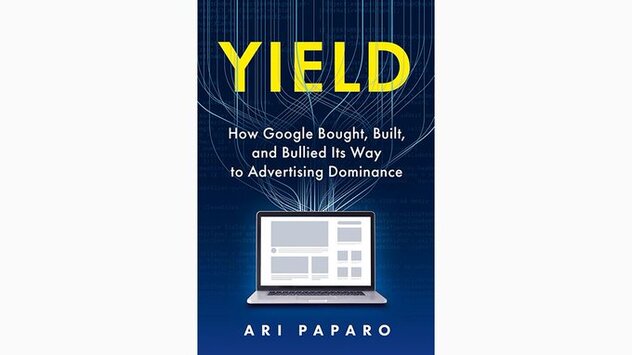
How Google’s Ad Tech Monopoly Impacts Publishers and the Open Web
The term Google ad tech monopoly has gained renewed attention following the release of Yield, a revealing new book by former Google executive Ari Paparo. As one of the most respected voices in advertising technology, Paparo exposes how Google built its dominance in digital advertising—and what breaking up the tech giant could mean for publishers, media, and the future of the internet. This timely conversation is especially relevant as regulators intensify antitrust scrutiny against Google’s ad empire.
Google ad tech monopoly: How it rose to dominance
According to Paparo, Google didn’t just innovate—it acquired and consolidated. In Yield: How Google Bought, Built, and Bullied Its Way to Advertising Dominance, Paparo explains how Google became both the buyer and seller in the digital ad ecosystem. This vertical integration gave it unrivaled control over ad auctions, pricing, and data access. The word “bullied” in the book’s title isn’t hyperbole: a U.S. federal judge already ruled that Google used anticompetitive practices to secure its lead. Paparo suggests that this power grab harmed not just competitors, but the very publishers and media companies that depend on fair advertising revenue.
Why breaking up Google could hurt more than help
While many argue that dismantling Google’s ad business could restore market balance, Paparo raises an unsettling point—such a move might destabilize an already struggling ecosystem. Publishers, especially small to mid-sized media outlets, could face reduced revenue and fewer alternatives if Google is splintered. In an environment where digital advertising supports journalism and independent voices, changes to this structure must be approached with extreme caution.
AI, antitrust, and the evolving future of ad tech
The rise of artificial intelligence adds another layer to the Google ad tech monopoly debate. While AI tools could improve ad targeting and personalization, Paparo argues they may also reinforce existing monopolies. As AI-powered ad systems become more complex and opaque, companies like Google could tighten their grip even further. Without transparency and fair competition, the internet risks becoming more centralized and less open—something Paparo believes everyone, from regulators to everyday users, should be concerned abo










Comment