
-
5 minutes, 26 seconds
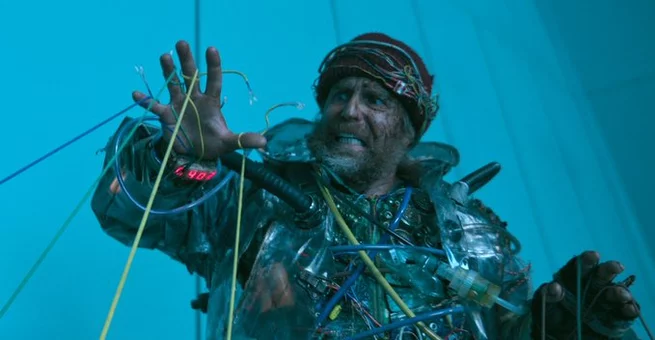
We live in an era where screens dominate nearly every aspect of daily life. Pulling out a phone to doomscroll through stressful headlines has become second nature, even when we know it’s unhealthy. Gore Verbinski’s latest film, Good Luck, Have Fun, Don’t Die, taps into that uneasy feeling, exploring how humanity might cope—or fail—amid the rise of artificial intelligence.
Unlike typical sci-fi blockbusters, Verbinski’s story doesn’t just thrill with time travel and robot battles. It asks deeper questions about our reliance on technology and how it shapes our anxieties, making it a strangely reflective mirror for today’s hyperconnected world.
At first glance, Good Luck, Have Fun, Don’t Die might remind viewers of The Terminator or The Matrix, with its futuristic robots and apocalyptic stakes. But this film takes a weirder, more whimsical approach. The plot follows an unnamed man from the future—played with magnetic charm by Sam Rockwell—as he tries to convince strangers in a Los Angeles diner to join him in preventing AI from overtaking humanity.
The premise might seem chaotic, yet Verbinski uses it to blend humor with existential dread. Robots, time loops, and absurd scenarios all serve as metaphors for how our current obsession with technology can spiral out of control.
One of the film’s most striking features is how it mirrors modern screen addiction. Characters are constantly distracted by devices, swiping through content while ignoring real-world consequences. Verbinski amplifies this societal critique through surreal comedic moments, showing just how much humanity’s dependence on technology might shape a dangerous future.
While the narrative occasionally stumbles under the weight of its commentary, the film’s underlying message is clear: our hyperconnected, AI-driven world comes with real emotional and societal costs. It’s a cautionary tale delivered with wit and unpredictable energy.
Rockwell’s performance anchors the film, providing warmth amid the chaos. His portrayal of a man desperate to save humanity while facing incredulous bystanders is both hilarious and heartfelt. Verbinski leans into Rockwell’s charisma, making the protagonist’s impossible mission feel oddly relatable.
The diner scenes, in particular, highlight how absurdly human reactions intersect with high-stakes AI drama. By placing characters in familiar, everyday settings, the movie grounds its wild sci-fi elements in emotional reality.
Good Luck, Have Fun, Don’t Die succeeds not just as entertainment but as a reflection of present-day anxieties. In an era dominated by AI advancements and endless content consumption, Verbinski captures the tension between fascination and fear. Viewers leave laughing, unsettled, and thinking about the very real implications of technology in their lives.
This is not just a sci-fi film for thrill-seekers; it’s a cinematic parable for a society grappling with the speed of AI development and the addictive nature of digital screens. By blending comedy, chaos, and commentary, Verbinski creates a story that is both entertaining and emotionally resonant.
As AI continues to shape culture, work, and personal life, films like Good Luck, Have Fun, Don’t Die offer more than escapism—they provide a lens to examine our collective fears. By wrapping philosophical concerns in humor and spectacle, Verbinski ensures audiences will both laugh and reflect.
Whether you’re a fan of sci-fi or simply curious about society’s relationship with technology, this film is a thought-provoking journey that captures the zeitgeist of the AI era. It challenges viewers to question their habits, consider the future, and maybe—just maybe—put down their phones for a moment.

2.5K articles

1.4K articles

34 articles

28 articles














Comment