
-
3 minutes, 30 seconds
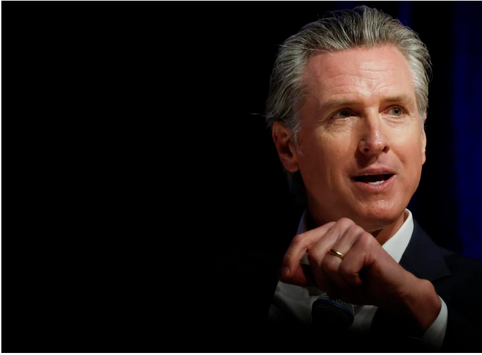
California Governor Gavin Newsom has filed a $787 million lawsuit against Fox News, accusing the media network of defamation and demanding a public apology. The Gavin Newsom Fox News lawsuit stems from allegations that Fox knowingly spread false claims about a phone call between Newsom and former President Donald Trump. But what led to this high-profile legal battle, and what does it mean for free speech and media accountability? Here's everything you need to know.
According to Newsom, Fox News repeatedly aired statements suggesting he lied about a phone call with Donald Trump. Newsom insists no such call happened. The accusations reached a point where even his friends began questioning him. In response, he filed the defamation lawsuit in a personal capacity, saying the network “crossed a red line.” Newsom argues the false claims damaged his reputation and went beyond political commentary into what he describes as “malicious slander.”
In interviews, Newsom linked his lawsuit to the broader pattern of behavior at Fox News, referencing the 2023 Dominion Voting Systems settlement. That case saw Fox pay $787.5 million for pushing election lies. Newsom says that despite the massive payout, Fox never fundamentally changed its practices. In his words, the network continues to push propaganda rather than journalism. He claims the network’s anchors, including Jesse Watters and John Roberts, knowingly aired false information about him.
The heart of the Gavin Newsom Fox News lawsuit is about ethics in media. Newsom emphasizes that this isn’t about political disagreement—it's about accountability. In his interview with journalist Terry Moran, he explained: “You can’t defame someone by knowingly distorting facts and avoid consequences.” He insists the lawsuit is not just about defending his own integrity but also about demanding higher journalistic standards from media organizations that influence millions.
In response, Fox News called the lawsuit a “frivolous publicity stunt” and vowed to fight the case in court. The network says the suit is an attempt to suppress critical coverage. Still, the case has sparked widespread conversation about media accountability, political leadership, and the limits of free speech. Whether or not the court sides with Newsom, the lawsuit underscores the ongoing tension between public figures and media narratives—and how much is at stake when reputations are on the line.

7.8K articles

1.4K articles

34 articles

28 articles














Comment