
Trending
Trending Hashtags
Alerts
-
7 minutes, 11 seconds
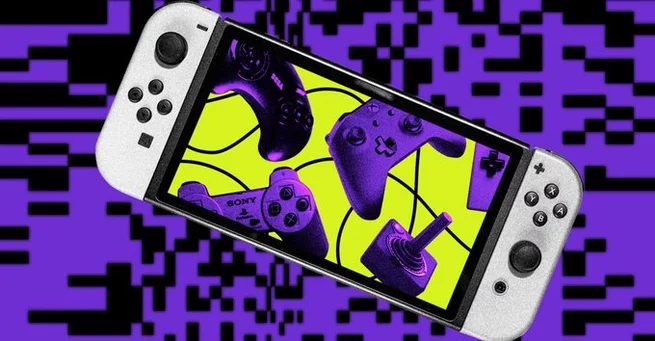
Gaming sales data usually answers predictable questions: which blockbuster dominated the charts, which console surged ahead, or which franchise disappointed. But recent posts from a leading video game industry analyst have flipped that script by spotlighting something far stranger. Within the first glance, readers learn why some games sell only a single physical copy across an entire month—or even a full year. That curiosity-driven insight explains what these lonely sales reveal about gaming history, collector habits, and how the industry has quietly changed.
Rather than focusing on chart-toppers, this unusual approach celebrates forgotten titles, outdated formats, and games that somehow found exactly one buyer.
Traditional gaming sales data tends to spotlight the biggest launches and record-breaking months. Those metrics still matter, especially for publishers and investors tracking performance. But they rarely capture the full story of how people actually interact with games over time. Beneath the surface of billion-dollar franchises sits a long tail of titles that barely move units but never fully disappear.
By highlighting games that sold exactly one physical copy, analysts show how wide and fragmented the market has become. Physical game sales are shrinking, digital storefronts dominate, and older platforms are largely forgotten by mainstream audiences. Yet someone, somewhere, still walks into a store or browses a catalog and buys a game most people assumed was gone forever.
Some of the most eye-catching entries in recent gaming sales data lists include older console titles that once defined an era. Seeing a single copy of a well-known racing game or family party title sold years after its peak sparks instant nostalgia. It reminds players of late-night sessions, outdated controllers, and consoles now collecting dust.
Other entries are even more obscure. These are games many players have never heard of, tied to niche genres, short-lived hardware, or forgotten experiments. Their appearance on sales charts, even at one unit, proves they still exist in retail systems and memory. That tiny data point becomes a story all its own.
Gaming sales data showing single-copy sales often reflects the habits of collectors rather than casual players. Retro enthusiasts regularly hunt for sealed copies, missing editions, or specific regional releases. For them, buying one physical copy is less about gameplay and more about preservation or completion.
This behavior explains why older handheld and legacy console games frequently appear on these lists. As physical media becomes harder to find, scarcity increases value. One buyer can keep a title alive in sales data long after it disappears from public conversation. In a digital-first industry, these collectors quietly shape what remains visible.
Modern gaming sales data makes it clear that physical games are slowly shifting from mainstream products to cultural artifacts. Big releases still sell millions, but outside those hits, physical copies are often purchased for sentimental or historical reasons. A single sale might represent someone reliving childhood memories or preserving a piece of gaming history.
This trend highlights how the industry has evolved. Subscription services, downloads, and streaming dominate daily play. Meanwhile, physical sales increasingly reflect passion rather than convenience. Each one-copy sale is a reminder that gaming has a past people still care about.
Lists highlighting strange or forgotten sales numbers perform well because they feel human. Gaming sales data usually sounds cold and technical, but these snapshots spark emotion and curiosity. Readers imagine who that one buyer was and why they made the purchase. Was it a collector, a gift, or a moment of impulse nostalgia?
That emotional hook makes the data shareable and memorable. It also builds trust in the analyst sharing it, reinforcing expertise through transparency and storytelling. Instead of overwhelming readers with charts, these posts translate numbers into moments people can connect with.
As gaming continues to grow, gaming sales data will likely become even more complex. Digital sales dominate, physical releases shrink, and older platforms fade further into niche spaces. Analysts who find creative ways to interpret that data will stand out.
Highlighting one-copy sales may seem trivial, but it reflects a deeper truth about the industry’s lifecycle. Games don’t simply vanish when they stop charting. They linger in databases, on shelves, and in people’s memories. Sometimes, it only takes one sale to prove that.
Gaming sales data isn’t just about winners and losers. It’s also about endurance, memory, and the unexpected paths games take long after their moment has passed. One-copy sales tell quiet stories that blockbuster numbers never can.
In an industry obsessed with scale, these tiny data points offer perspective. They remind us that gaming history isn’t only written by hits, but also by the strange, obscure, and nearly forgotten titles that refuse to disappear completely.










Comment