
-
5 minutes, 6 seconds
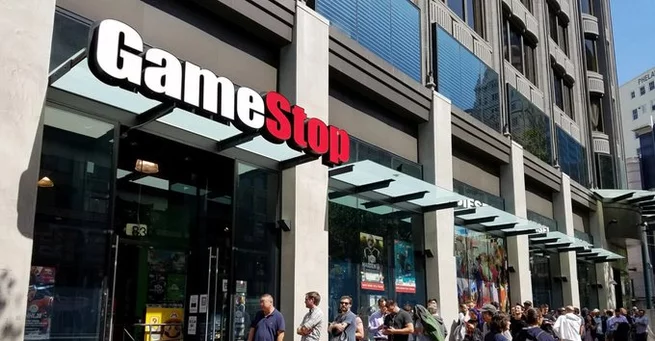
GameStop store closures are accelerating as the retailer begins 2026 by shutting down more than 400 locations across the United States. Many shoppers are asking why stores are disappearing, how many locations remain, and what this means for employees and investors. The short answer is cost-cutting, speed, and pressure to grow the company’s valuation. According to recent filings and closure trackers, the company is moving quickly before its fiscal year ends on January 31. These closures follow hundreds of shutdowns already completed last year. Together, they signal a dramatic shift away from physical retail. GameStop’s brick-and-mortar footprint is shrinking faster than at any point in its history.
At the center of the latest GameStop store closures is a high-stakes financial incentive tied to CEO Ryan Cohen. Cohen is eligible for stock options potentially worth up to $35 billion if the company reaches a $100 billion market capitalization. One of the fastest ways to improve margins and investor sentiment is reducing operating costs. Physical stores are expensive, especially as gaming sales continue moving online. In fiscal year 2024 alone, GameStop closed 590 locations. Company filings now openly acknowledge plans to close a “significant number” of additional stores in fiscal 2025. With the deadline approaching, execution appears to be accelerating.
As of January 11, at least 435 GameStop store closures have been identified across 42 states. Earlier in 2025, the company still operated roughly 2,325 U.S. stores, making this a substantial reduction in a short time. Entire regions are seeing multiple locations disappear simultaneously. For many communities, GameStop was one of the last remaining specialty game retailers. The closures are not limited to underperforming malls alone. Urban, suburban, and rural stores are all being affected. This breadth suggests a strategic pullback rather than isolated trimming.
GameStop store closures are not limited to the United States. Over the past year, the company has exited several international markets entirely. Operations have already shut down in Canada, Germany, Austria, Ireland, Switzerland, and Italy. France is expected to follow within the next twelve months. This global retreat reflects a renewed focus on fewer, more profitable regions. Rather than maintaining widespread physical locations, GameStop appears to be consolidating aggressively. The move simplifies operations but reduces global brand presence. For international fans, the brand’s disappearance has been abrupt and final.
Ironically, the wave of GameStop store closures comes as the company’s overall financial position has shown signs of improvement. Cost controls, inventory discipline, and investor enthusiasm have helped stabilize the business. However, store shutdowns also mean thousands of workers face job losses. Retail employees are often given little notice as locations quietly wind down. Communities lose local jobs even as shareholders see potential upside. This contrast has drawn criticism from labor advocates and longtime customers. The human cost of the turnaround remains significant. GameStop has not publicly detailed how many employees will be affected.
GameStop store closures point to a future that looks very different from the retailer’s past. Physical stores are becoming a smaller piece of the company’s overall strategy. Digital sales, collectibles, and financial restructuring now dominate leadership priorities. For investors, fewer stores may signal discipline and focus. For customers, it means fewer places to browse games in person. Whether this strategy can truly push the company toward a $100 billion valuation remains uncertain. What is clear is that 2026 marks another turning point. GameStop’s transformation is happening fast, and many storefronts are being left behind.

2.5K articles

1.4K articles

34 articles

28 articles














Comment