
Alerts
-
4 minutes, 48 seconds
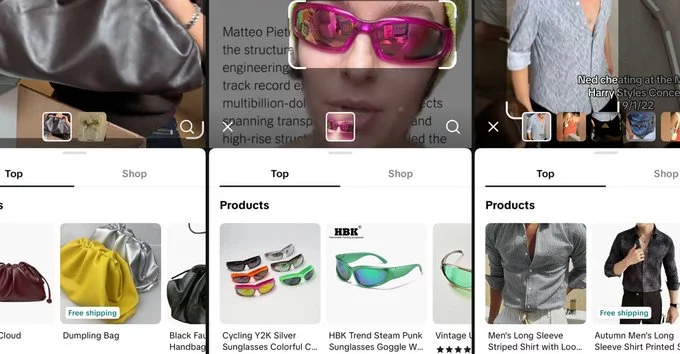
A surprising new feature on Instagram is turning everyday users into accidental promoters. Without consent, AI technology is using posts to suggest lookalike products, meaning anyone could be an influencer without even realizing it. The implications for privacy, earnings, and personal branding are raising questions across social media communities.
In late February, reports surfaced about an Instagram influencer who noticed unusual activity on her posts. Julia Berolzheimer, with over a million followers, found “Shop the look” buttons appearing on her content. When clicked, these buttons didn’t lead to the products she was promoting. Instead, followers were directed to cheaper lookalikes or entirely different brands.
What made the situation even stranger was that Berolzheimer had never added these links herself. Instagram’s AI automatically generated them, attaching third-party product suggestions to her images. For influencers, this undermines both credibility and revenue, while for everyday users, it raises privacy concerns.
Instagram spokesperson Matthew T Torres described the tool as “a limited test intended to help people explore products that match their interests when viewing posts or reels.” However, critics argue that this approach blurs the lines of consent. Users are effectively becoming ad spaces for products without any approval or financial benefit.
Privacy experts warn that AI-driven promotions could be applied more broadly. If this test expands, anyone posting images or videos might unknowingly generate product suggestions. This could impact personal branding, mislead followers, or even associate users with brands they don’t support.
Influencers like Berolzheimer express frustration at losing control over their content. “My followers were being shown cheap knockoffs and random items from brands I’ve never heard of, attached to my image, under my name,” she explained on her Substack page. The incident highlights the potential reputational risks of AI-enabled e-commerce on social platforms.
Ethically, the debate centers on whether platforms should monetize user content automatically. AI can create convenience for buyers, but the trade-off may involve compromising creators’ rights. This raises larger questions about ownership, transparency, and accountability in digital advertising.
Even if you aren’t a professional influencer, AI tools could still tag your posts with shopping links. Photos of outfits, gadgets, or home décor might trigger automated suggestions, turning casual content into covert marketing. Users may not notice immediately, leaving them unwittingly associated with products or brands.
Social media users should review post settings, monitor AI features, and stay informed about platform tests. While Instagram’s AI currently appears limited, growing adoption could expand the reach of automated product placement. Staying aware can help prevent unwanted associations or misrepresentation.
The incident underscores a broader trend: AI is reshaping social commerce, making anyone a potential promoter. While it may enhance discovery and convenience for shoppers, the model challenges traditional ideas of consent and earnings for content creators. Platforms like Instagram will need clear guidelines to balance innovation with user trust.
For now, whether you’re a seasoned influencer or a casual poster, the lesson is clear: AI can turn your content into advertising, whether you like it or not. Vigilance, transparency, and informed consent are crucial as social media experiments with automated e-commerce.










Comment