Alerts

-
10 minutes, 9 seconds
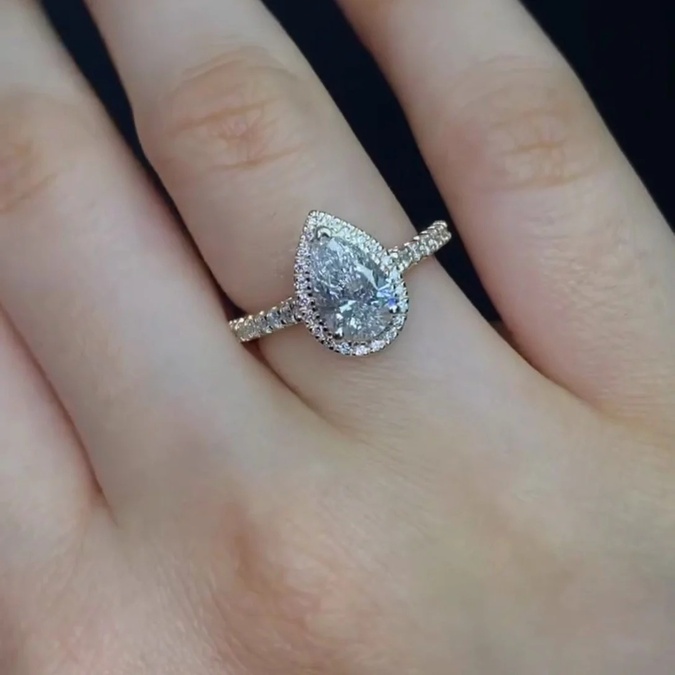
Designing a ring from the ground up gives buyers more control over how the finished piece looks, feels, and fits into daily life. Instead of choosing a ready-made design with fixed details, custom lab grown diamond rings allow couples to select the diamond shape, setting, metal, proportions, and personal features that matter to them. The process may begin with a simple photograph, a rough sketch, a family detail, or a clear idea of what the wearer enjoys.
A custom ring is not only about adding more details. Good customization is about making thoughtful choices that work together. The diamond should suit the setting, the band should support the stone, and the overall design should feel comfortable on the hand. Understanding each stage helps buyers communicate their preferences clearly and avoid decisions based only on appearance.
A ring becomes custom when its main design choices are selected or adjusted for one person. This may include changing the center stone shape, modifying the band width, selecting a particular prong style, adding side stones, changing the setting height, or combining elements from several reference rings.
Some buyers begin with an existing design and request small changes. Others start with a completely new concept. Both approaches can result in a custom lab grown diamond ring, provided the final specifications are developed around the buyer’s needs.
Customization may involve:
Each decision affects the final appearance, cost, comfort, and strength of the ring. This is why a successful custom process requires balance rather than simply adding every preferred feature.
The first stage is defining what the ring should communicate. Some buyers want a clean solitaire with very few visible details. Others prefer a three-stone arrangement, a decorative gallery, a wide band, or a setting inspired by an older jewelry period.
It helps to collect reference images, but they should be used as direction rather than copied without thought. One image may show the preferred diamond shape, while another may show the desired band or basket. These references give the designer a clearer understanding of the buyer’s taste.
The wearer’s lifestyle should also be considered from the beginning. Someone who works with their hands may prefer a lower setting with fewer raised details. A person who enjoys a strong visual presence may prefer a larger center stone, wider band, or distinctive side-stone layout.
Before moving forward, buyers should identify three priorities:
These priorities help keep the design focused.
The center diamond usually becomes the main point of the ring, so its shape and proportions deserve careful attention. Lab grown diamonds have the same crystal structure and optical properties as mined diamonds, while often allowing buyers to consider a larger stone or higher specifications within the same budget.
Popular shapes include round, oval, emerald, radiant, cushion, pear, marquise, Asscher, and princess cuts. Each shape creates a different visual effect on the finger.
Round diamonds offer strong light return and suit many setting styles. Oval and marquise diamonds can create greater finger coverage because of their elongated outlines. Emerald and Asscher cuts have broad, step-like facets that make clarity more noticeable. Radiant and cushion cuts combine angular or soft outlines with a lively facet pattern.
When selecting a diamond, buyers should look beyond carat weight. Two diamonds with the same weight can appear different in size because of their measurements, depth, and proportions. A well-proportioned stone may look larger and more balanced than a heavier diamond with excess depth.
For custom lab grown diamond engagement rings, it is useful to compare several stones through videos, certificates, and exact measurements before making a final choice.
A grading report provides information about the diamond’s carat weight, color, clarity, measurements, and other identifying details. Many lab grown diamonds are graded by laboratories such as IGI or GIA.
The certificate helps confirm that the selected stone matches the stated specifications. However, a grading report does not replace visual review. Two diamonds with similar grades may still appear different due to facet arrangement, inclusion location, bow-tie effect, or overall proportions.
Buyers should review both technical information and actual images or videos. This combined approach is especially important when purchasing elongated shapes, fancy-color diamonds, or step cuts.
The setting holds the diamond and shapes the overall character of the ring. It also determines how high the center stone sits and how easily the ring can be worn with a wedding band.
Common setting choices include solitaire, halo, hidden halo, three-stone, bezel, cathedral, pavé, split shank, and cluster arrangements.
A solitaire keeps the center stone as the main focus. A halo surrounds the center with smaller diamonds, creating a broader face-up appearance. A hidden halo places accent stones below the center diamond, where they are more visible from the side. A bezel setting surrounds part or all of the diamond edge with metal, offering additional protection.
Three-stone settings allow buyers to combine different diamond shapes. For example, an emerald-cut center can be paired with tapered baguettes, while an oval center may be matched with pear or half-moon side stones.
The setting should be designed around the exact measurements of the selected diamond. This supports a secure fit and helps maintain accurate spacing between the stone, prongs, and band.
Prongs may seem like a small part of the ring, but they influence both security and appearance. Four prongs allow more of the diamond outline to remain visible, while six prongs provide additional contact points around the stone.
Claw prongs have pointed tips, while rounded prongs have softer ends. Double prongs can add detail and may suit emerald, radiant, cushion, or Asscher-cut diamonds.
Setting height also matters. A high setting can make the diamond more prominent and may allow a straight wedding band to sit close to the engagement ring. However, it may catch more easily on clothing or objects.
A low setting can feel practical and close to the hand, but it may require a curved or contoured wedding band. Buyers should discuss wedding band plans during the design stage rather than after the engagement ring is complete.
Band proportions should support the center stone while matching the wearer’s preference. A very thin band may make the diamond appear larger, but it must still have enough metal for long-term strength.
A wider band can create a stronger visual base and may feel more secure. It can also support larger stones or heavier settings. The best width depends on ring size, diamond dimensions, metal type, and the presence of accent stones.
Thickness is equally important. The inner and outer surfaces should be shaped for comfort without removing too much material. Areas near the center setting often require additional support because they carry the weight of the head and diamond.
Buyers who want to customize a lab grown diamond ring should ask about both width and thickness rather than focusing only on the top view.
Metal affects color, durability, maintenance, and cost. Common choices include white gold, yellow gold, rose gold, and platinum.
White gold offers a cool-toned appearance and is commonly used with colorless diamonds. Yellow gold gives the ring a warmer look and can create contrast with a white center stone. Rose gold has a pink-toned finish created through its alloy mixture. Platinum is dense, naturally white, and often selected for prongs or full ring settings.
Two-tone designs are another option. A yellow or rose gold band can be paired with white metal prongs, allowing the center diamond to remain visually neutral while the band provides contrast.
Metal choice should also account for skin sensitivity, maintenance preferences, and the desired wedding band pairing.
Personal details can make a ring meaningful without making the design overly busy. These features may be visible from the top or placed beneath the center stone.
Possible additions include:
The strongest details often remain connected to the wearer’s story. They do not need to be large or immediately visible to carry meaning.
When planning custom made diamond engagement rings, it is helpful to choose one or two personal features rather than filling every surface with decoration.
After the main specifications are confirmed, a computer-aided design may be prepared. The CAD shows the ring’s structure, dimensions, stone positions, setting height, and overall proportions.
CAD images can appear heavier or more technical than the finished ring because they show precise surfaces before final finishing. Buyers should review the design for practical details rather than judging it as a finished product photograph.
Important areas to check include:
Any requested changes should be made before production begins. This is the best stage to adjust proportions, remove unwanted details, or refine the profile.
Once the CAD is approved, the ring moves into production. Depending on the method used, the model may be prepared for casting, followed by cleaning, assembly, stone setting, polishing, and quality inspection.
The stone setter secures the center and accent diamonds while maintaining alignment. The finishing stage removes rough surfaces and prepares the final metal finish. The ring should then be checked for loose stones, uneven prongs, rough edges, incorrect sizing, and visible asymmetry.
A final inspection should confirm that the completed ring matches the approved specifications. The ring size, metal, diamond report number, engraving, and stone arrangement should all be verified.
Customization does not require an unlimited budget. It requires clear priorities. Buyers can control cost by adjusting carat weight, color, clarity, setting complexity, metal choice, and the number of accent stones.
For example, choosing a diamond with slightly lower color or clarity may create room in the budget for a preferred setting. Selecting a simple band can allow more spending on the center stone. A hidden detail may provide personalization without the cost of a fully diamond-set shank.
Those who want to build your own engagement ring with a lab diamond should divide the budget into three parts: center stone, setting, and optional personal details. This makes it easier to see where adjustments can be made.
The goal of customization is not to create the most complicated ring. It is to create a ring that feels connected to the person wearing it.
A carefully chosen diamond shape, comfortable band, well-planned setting, and one meaningful detail may be enough. Brands such as Antiquecut offer options for buyers who want to compare stone shapes, setting structures, and personalized ring features before production.
Buyers can Browse custom lab grown diamond rings to identify preferred elements, compare proportions, and collect useful references before discussing a new design.
Creating a custom ring involves more than selecting a diamond and metal. It requires attention to proportions, structure, comfort, lifestyle, and personal meaning.
The best custom lab diamond rings begin with a clear idea and develop through careful decisions. When the center stone, setting, band, and personal details are planned together, the finished ring feels balanced and suitable for daily wear.
From the first reference image to the final inspection, every stage plays a role. Taking time to review the diamond, understand the setting, check the CAD, and confirm practical details can turn an initial concept into a ring made specifically for one person.




Comment