
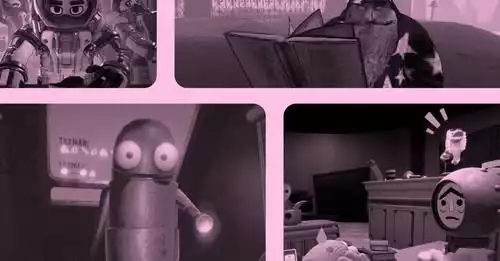
If you’ve spent time in online gaming circles in 2025, you’ve likely heard the term “friend slop.” It’s not an insult—it’s a badge of honor. Coined to describe a wave of scrappy, low-budget indie co-op games, “friend slop” titles prioritize chaotic fun, wacky physics, and social bonding over polish. These games usually cost under $20, run on PC, feature proximity voice chat, and thrive when played with friends who don’t mind laughing through constant failure. Think of them as the digital equivalent of pizza-fueled basement game nights—messy, loud, and unforgettable.
Two titles stood out in 2025 as the unofficial poster children of the friend slop movement: REPO and Peak. REPO flips survival horror on its head by replacing terror with absurdity—players scavenge junk as bumbling robots in eerie, abandoned buildings, with jump scares undercut by slapstick animations and AI-driven monster quirks. Meanwhile, Peak ditches horror entirely for mountaineering mayhem, where gravity-defying physics and unpredictable weather turn a simple climb into a group survival comedy. Both games launched quietly but exploded through Discord invites, TikTok clips, and friend groups eager for shared, low-stakes chaos.
In an era of $70 AAA releases and live-service fatigue, friend slop offers something refreshingly human: imperfection with personality. These games don’t hide their jank—they weaponize it. A wobbly character model or a physics glitch isn’t a bug; it’s the punchline. That authenticity, paired with affordability and short play sessions, makes them ideal for casual gamers, streamers, and friends looking for laughs over leaderboard glory. Crucially, they’re built for connection—not just competition—filling a social void many polished multiplayer games have ignored.
The friend slop label has become a playground for indie innovation. Beyond REPO and Peak, 2025 saw gems like Guilty as Sock!, where players argue absurd court cases using nothing but hand-drawn sock puppets and improvised dialogue. Others leaned into surrealism: Space Janitors tasks crews with cleaning alien spacecraft while avoiding sentient slime, and Grocery Quest turns routine shopping into a cooperative obstacle course with runaway carts and sentient produce. These games share a DNA of spontaneity, emergent storytelling, and a “whoops, let’s try again” spirit.
A key ingredient in the friend slop recipe? Proximity voice chat. Unlike traditional party chat, it forces players to physically move closer in-game to hear each other—creating hilarious moments of miscommunication, panicked whispers during monster encounters, or triumphant yells from across a digital mountaintop. This mechanic doesn’t just add realism; it deepens social immersion, making every session feel like a shared adventure rather than a series of disconnected actions. It’s no surprise that friend slop titles almost universally include it by default.
Rather than shy away from the term “slop,” developers have proudly adopted it. Many indie studios now market their games with self-aware humor, teasing bugs as “features” and celebrating community memes born from glitches. This transparency builds trust and loyalty—players feel like collaborators, not just consumers. On Steam and itch.io, early access friend slop games often evolve based on player feedback, with updates adding more mayhem, not just fixes. In 2025, “slop” became synonymous with games made with players, not just for them.
As 2025 closes, friend slop shows no signs of slowing. Upcoming titles teased for early 2026 include a co-op gardening sim where plants rebel if neglected and a post-apocalyptic delivery service run entirely by raccoons. With major platforms like Steam and Epic now featuring dedicated “co-op chaos” categories, visibility is growing. More importantly, the genre has proven that fun doesn’t require photorealistic graphics or billion-dollar budgets—it just needs friends, a little jank, and the willingness to laugh when everything goes hilariously wrong.
Friend Slop Games Dominate Co-Op Gaming in 20... 0 0 0 5 2
2 photos

𝗦𝗲𝗺𝗮𝘀𝗼𝗰𝗶𝗮𝗹 𝗶𝘀 𝘄𝗵𝗲𝗿𝗲 𝗽𝗲𝗼𝗽𝗹𝗲 𝗰𝗼𝗻𝗻𝗲𝗰𝘁, 𝗴𝗿𝗼𝘄, 𝗮𝗻𝗱 𝗳𝗶𝗻𝗱 𝗼𝗽𝗽𝗼𝗿𝘁𝘂𝗻𝗶𝘁𝗶𝗲𝘀.
From jobs and gigs to communities, events, and real conversations — we bring people and ideas together in one simple, meaningful space.




Comments