
Alerts
Mar 23 -
8 minutes, 34 seconds
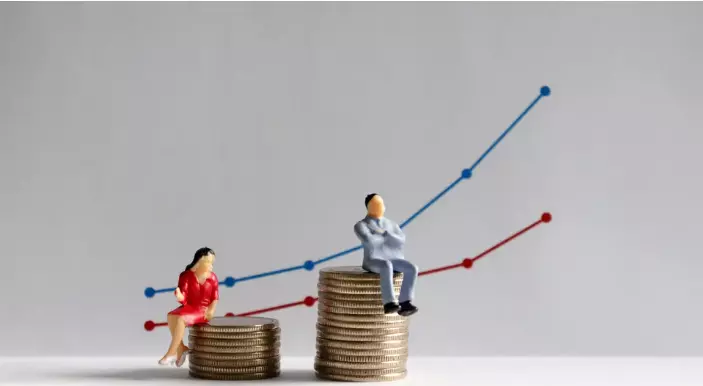
The gender pay gap remains a pressing issue—and it’s getting worse. As Equal Pay Day approaches on March 26, new data shows women must work nearly three extra months to match what men earned the previous year. In 2024, women working full-time earned just 81 cents for every dollar earned by men, down from 83 cents the year before. That decline marks the second consecutive year of widening inequality. While the gap has long been attributed to factors like career choices and caregiving roles, new research is uncovering less obvious forces at play. Three recent studies now offer deeper insight into how workplace dynamics and societal expectations continue to shape women’s earnings. Together, they reveal a more complex and systemic problem than previously understood.
For decades, conversations around the gender pay gap have focused on visible factors such as experience, education, and industry differences. But emerging evidence suggests that subtle biases and structural patterns may be just as influential. These new studies examine how group dynamics, workload distribution, and motherhood impact women’s earnings over time. Rather than pointing to individual decisions, the findings emphasize how workplace systems and perceptions quietly reinforce inequality. This shift in understanding is critical for employers aiming to build fairer compensation structures. It also challenges long-standing assumptions about why the gap persists. The result is a clearer picture of how deeply embedded these disparities are.
One of the most surprising findings comes from research examining how group composition affects pay. The study found that men tend to earn more when working in all-male groups, while women face financial penalties when working in all-female teams. Even after controlling for qualifications, performance, and outcomes, the pattern remained consistent across multiple industries. Women working alone were paid more than those in female-only groups, while men benefited from same-gender collaboration. Researchers suggest this may stem from perceptions that groups of women challenge workplace norms. These perceptions can lead decision-makers to undervalue their contributions. In contrast, all-male groups are often seen as standard and productive, reinforcing higher pay outcomes.
The implications of these findings go beyond group work. They highlight how perception bias still shapes compensation in subtle but powerful ways. When women collaborate, their efforts may be misinterpreted as disruptive rather than effective. This creates a hidden penalty that doesn’t show up in traditional performance metrics. Over time, these biases can significantly impact earnings and career progression. The study underscores the importance of addressing not just policies, but also workplace culture. Without confronting these perceptions, pay inequality is likely to persist. It’s a reminder that fairness requires both structural and behavioral change.
A second study sheds light on how workload expectations differ by gender. While women are just as likely as men to reject lower pay for the same work, they are more willing to accept additional tasks without extra compensation. This distinction may seem small, but it has major long-term consequences. Taking on more work can limit time for high-impact tasks that drive promotions and salary increases. Researchers suggest this pattern may stem from social conditioning and expectations around helpfulness. Women may feel pressure to contribute more in order to be valued. Over time, this imbalance can quietly widen the pay gap.
The willingness to take on extra responsibilities is often rewarded with praise—but not always with pay. This creates a cycle where women continue to shoulder more work without corresponding financial benefits. In many cases, these additional tasks are less visible or less valued by leadership. As a result, they do little to advance careers despite increasing workload. The study highlights how workplace norms can unintentionally reinforce inequality. Addressing this issue requires clearer boundaries around roles and fair recognition of contributions. Without intervention, these patterns will continue to disadvantage women.
The third study focuses on what’s often called the “motherhood penalty.” Researchers found that having children accounts for a significant portion of the gender pay gap, particularly during prime working years. Women without children tend to earn closer to their male counterparts, while mothers experience noticeable declines in income and career progression. The study suggests that this gap is driven more by what happens after childbirth than by choices made beforehand. Women’s careers are often disrupted by caregiving responsibilities, leading to fewer opportunities and slower advancement. Meanwhile, men frequently experience a “fatherhood bonus,” benefiting from increased earnings after becoming parents. This contrast highlights a deeply rooted imbalance.
Importantly, the research challenges the idea that women’s career choices alone drive the pay gap. Instead, it shows that structural factors—like workplace policies and societal expectations—play a larger role. Women without the possibility of having children followed similar career paths early on but achieved higher earnings later in life. This suggests that the absence of post-child penalties significantly impacts long-term outcomes. It also reinforces the need for better support systems, such as accessible childcare and flexible work arrangements. Without these changes, the motherhood penalty will continue to widen the gap. The findings make it clear that solutions must address systemic barriers.
Taken together, these three studies reveal that the gender pay gap is driven by a combination of visible and hidden forces. From biased perceptions of teamwork to unequal workload expectations and the lasting impact of motherhood, the issue is deeply complex. These are not isolated challenges but interconnected patterns that shape women’s careers over time. For organizations, this means that closing the gap requires more than equal pay policies. It demands a closer look at culture, expectations, and structural support. As Equal Pay Day highlights ongoing disparities, these insights offer a roadmap for meaningful change. The path to pay equity is clear—but it requires intentional action.










Comment