Alerts

-
6 minutes, 45 seconds
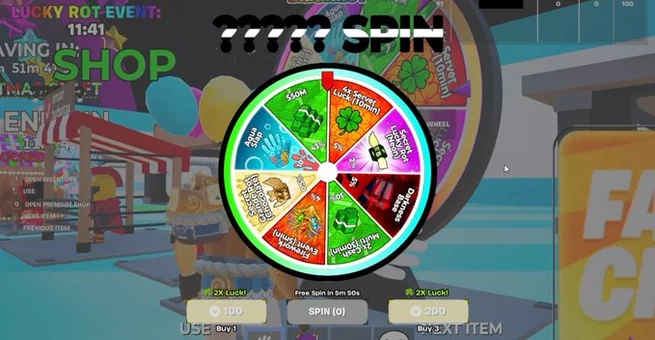
Fortnite has announced a new rule that stops creators from selling paid prize wheel spins inside custom experiences, responding to growing concerns about gambling-style mechanics. The policy, which takes effect on January 20, directly targets transactions that allow players to pay for spins or improved odds using in-game currency. Many players have been asking whether Fortnite allows loot boxes, paid luck boosts, or prize wheels in creator maps. This update makes the answer clear: those mechanics are no longer allowed when real money value is involved.
Epic’s move arrives just days after it opened the door for creators to sell in-island items, a major shift in how Fortnite’s creator economy works. The sudden reversal highlights how quickly player feedback and platform trust can influence rulemaking.
The decision follows backlash against a highly popular creator-made island that introduced a paid prize wheel system. Players could spend in-game currency to spin for rewards or purchase “luck” boosts to improve their chances. While technically legal under the newly introduced monetization rules, the system sparked criticism for resembling gambling mechanics.
Community discussions quickly gained traction, with many players saying the feature felt predatory, especially in a game with a large younger audience. Epic responded by clarifying that while monetization is allowed, mechanics that directly influence random outcomes through paid transactions cross a line.
Under the updated policy, creators are no longer allowed to offer any in-island transaction that directly or indirectly affects a prize wheel. This includes selling spins, bundles of spins, or items that improve the odds of winning. Even indirect mechanics, such as consumables that boost luck on a wheel, are now banned.
Epic’s wording leaves little room for interpretation. Any system where payment alters chance-based outcomes tied to a prize wheel is disallowed. However, creators can still offer cosmetic items, fixed-value purchases, or other non-randomized content, provided it does not involve gambling-style mechanics.
Until recently, Fortnite creators could not sell in-island items at all. Instead, they earned revenue through an engagement-based payout system that rewarded popular and frequently played experiences. This model limited direct monetization but helped maintain a level playing field for players.
Earlier this month, Epic changed course by allowing creators to sell items directly within their islands. The goal was to give independent developers more control over how they fund and grow their projects. For many creators, this marked a long-awaited opportunity to build sustainable businesses inside Fortnite.
To encourage adoption of in-island purchases, Epic is currently offering creators 100 percent of the in-game currency value from these transactions. This generous split is temporary and will remain in place through the end of the year. After 2026, the revenue share will change to a 50 percent split between Epic and creators.
The prize wheel ban does not reverse this monetization system. Instead, it sets boundaries around what kinds of purchases are acceptable. Fixed-price items and transparent value exchanges remain fully supported under the updated rules.
Fortnite’s massive audience includes younger players, making trust and safety a critical issue. Gambling-style mechanics, even when using virtual currency, can raise ethical and regulatory concerns. By acting quickly, Epic signals that it is closely monitoring how new monetization tools are used.
This move also reassures parents and players who worry about exploitative design. While chance-based rewards are common in games, tying them directly to paid spins can undermine confidence in the platform. Epic’s intervention helps draw a clear distinction between creative monetization and risky mechanics.
Creators will now need to rethink monetization strategies that rely on randomness. Systems based on progression, cosmetics, expansions, or clearly defined purchases are likely to become more common. For many developers, this may actually improve long-term player retention by focusing on value rather than chance.
The rule also sets a precedent. Future monetization features will likely be evaluated not just on technical compliance, but on how they feel to players. Creators who prioritize transparency and fairness may find it easier to build loyal audiences.
Fortnite’s prize wheel ban shows how quickly the platform is evolving as it balances creator freedom with player protection. Epic is willing to experiment, but it is also prepared to step in when new systems create unintended consequences. As in-island transactions become more common, clear rules will shape how creators innovate.
For players, the message is reassuring. Fortnite wants monetization to enhance creativity, not exploit it. For creators, the update is a reminder that success depends as much on trust as it does on clever design.










Comment