
Alerts
-
3 minutes, 1 second
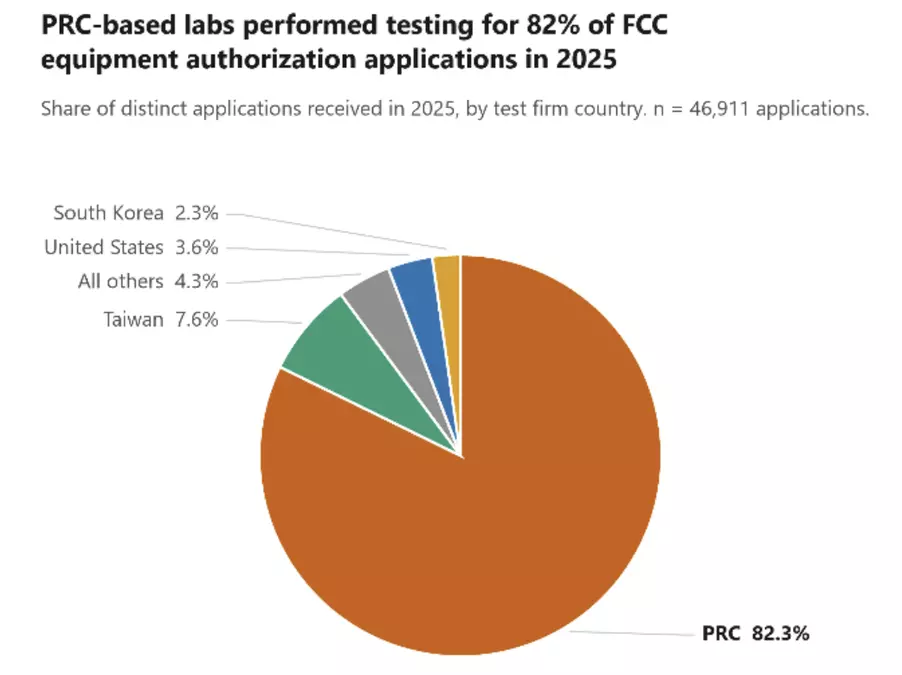
The Federal Communications Commission plans to stop authorizing Chinese labs to test gadgets for import into the United States starting in December 2028. The proposal would broaden the agency’s response to concerns about Chinese testing labs, moving beyond action against specific facilities to exclude Chinese labs altogether.
Under the plan, a lab’s location would affect whether it could receive authorization to test devices destined for the US market. Chinese labs would no longer be eligible from December 2028, according to the FCC’s proposal. The change would apply to labs testing gadgets for import into the United States.
The FCC has also proposed limiting authorization to labs in countries with a reciprocal economic relationship with the US. The agency says the plan follows a crackdown on some Chinese test labs that improperly helped authorize gadgets for import. The proposal is not yet final: the FCC is scheduled to vote on it on October 29. If adopted, the December 2028 start date would give labs time before the restrictions take effect.
The FCC has been cracking down on some Chinese test labs over their role in authorizing gadgets for import into the US. The agency says those labs improperly helped approve devices, raising concerns about the testing process used before gadgets enter the American market.
That enforcement effort is part of a broader push to restrict Chinese labs from testing US-bound products. The FCC now wants to stop authorizing Chinese labs altogether starting in December 2028. Under its proposal, a lab’s eligibility would depend on whether its country has a reciprocal economic relationship with the US.
The agency’s concerns about improper assistance provide context for the proposed change: rather than continuing to address individual cases, the FCC is seeking a wider rule for which labs can authorize imported gadgets. The plan is not yet final. The FCC is scheduled to vote on it on October 29, when commissioners will consider whether to move forward with the proposal.
The proposal would make a reciprocal economic relationship with the United States a condition for a lab to receive authorization. Rather than focusing only on whether a particular lab had improperly helped approve gadgets for import, the plan would set a broader standard for which labs could be authorized.
Under that standard, labs without the required reciprocal relationship would not qualify for authorization. The FCC’s proposal would apply this approach as it seeks to stop authorizing Chinese labs beginning in December 2028. In other words, access to the authorization process would depend on the economic relationship between the lab’s country and the United States.
The commission has not yet voted on the plan. It is scheduled to consider the proposal on October 29, so the reciprocal-relationship condition remains part of a proposal awaiting a vote. If adopted, it would determine which labs are eligible for authorization under the FCC’s plan.
The FCC is scheduled to vote on its proposal on October 29. The plan would end authorization for Chinese testing labs starting in December 2028, while allowing authorization for labs only if their countries have a reciprocal economic relationship with the United States.
The proposal follows the FCC’s actions against some Chinese test labs that improperly helped authorize gadgets for import into the US. The agency now wants to exclude Chinese labs altogether, rather than limit its response to those labs that were involved in improper assistance.
The full argument behind the proposal is available to read here.









Comment