Why the FCC postponed regulating prison phone call prices
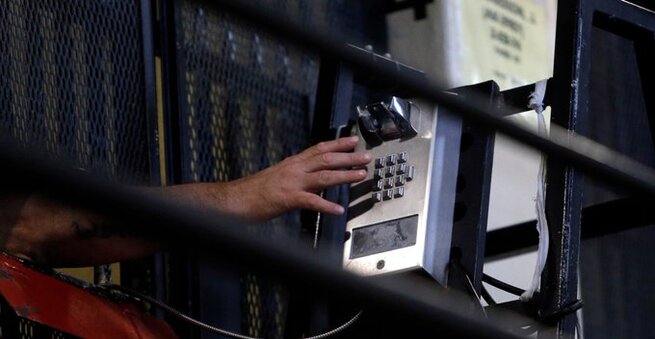
The FCC’s plan to enforce price caps on prison phone calls has been officially delayed until April 1, 2027. This change, announced by FCC Chair Brendan Carr, has sparked nationwide debate about prison reform, fair communication access, and the financial strain placed on incarcerated individuals and their families. While the policy was intended to limit what the FCC once called “exorbitant” charges, Carr now argues that immediate enforcement could lead to “negative, unintended consequences,” especially in areas related to prison safety funding.
FCC delays prison phone call price rules over ‘unintended consequences’
Originally, the FCC was set to implement pricing regulations as part of the Martha Wright-Reed Act, signed into law in 2023. This law gave the FCC power to lower the cost of prison phone calls and prevent jails from overcharging families just to stay in touch. In fact, the FCC had already voted to reduce 15-minute phone calls to as little as 90 cents in larger facilities. But instead of rolling out the changes in 2025, the Commission is now pressing pause, stating that the caps might be “too low” to support essential security protocols or allow states enough time to budget for alternatives.
Advocates say delay shields profit-driven prison phone system
Critics argue the FCC's decision prioritizes profit over people. Commissioner Anna Gomez strongly opposed the delay, claiming the move protects “kickback-fueled” contracts between prisons and telecom providers. These deals often result in families paying as much as $11.35 for just one 15-minute phone call. Gomez insists that delaying enforcement undermines the intent of the law, and prolongs the financial burdens on families already coping with the hardships of incarceration.
What’s next for prison phone call price reform?
While some states like California and Minnesota have made prison calls free, the majority still rely on costly phone contracts that benefit private companies and correctional budgets. The two-year delay leaves millions of families in limbo, paying steep rates while waiting for federal reforms to take hold. As technology like AI surveillance is considered part of the justification for postponement, civil rights groups are doubling down on efforts to push the FCC to prioritize affordability and transparency in prison communication.














Comment