Alerts

-
4 minutes, 19 seconds
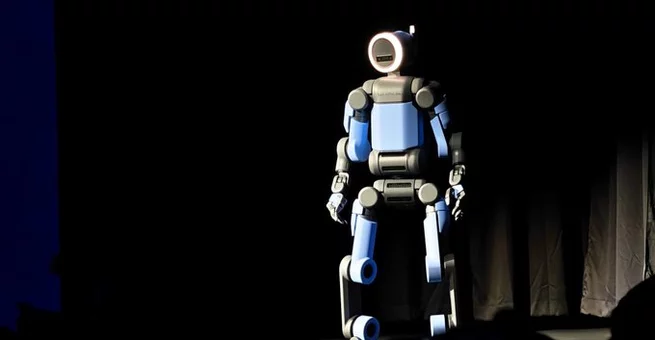
CES 2026 proved that the world’s biggest electronics expo has shifted gears. Once dominated by flashy electric vehicles, the show floor now buzzed with AI assistants, humanoid robots, and autonomous ride concepts. Many attendees wondered: where are the EVs? The answer is clear—automakers are pivoting away from traditional electric car announcements and embracing AI-driven mobility solutions. From robotaxi prototypes to advanced driver-assist systems, CES has become a showcase for the future of transportation beyond the conventional car.
Hyundai’s keynote left little doubt about the new priorities. Instead of revealing a new EV model, the automaker highlighted Boston Dynamics’ Atlas humanoid robot, already familiar to tech enthusiasts. This move sends a strong signal: the U.S. EV market is facing challenges, and the auto industry is doubling down on AI as a growth and investment narrative. Humanoid robots may not hit streets, but their presence at CES reflects the broader trend—tech-driven experiences are now as important as the cars themselves.
Other major players echoed the shift. Mercedes unveiled plans for its Nvidia-powered Level 2++ driver assist system, arriving in the U.S. later this year. Meanwhile, Uber displayed the Lucid Gravity robotaxi, a glimpse of fully autonomous ride services coming in 2026. Nvidia, the chip giant fueling much of the AI hype, introduced its open-source Alpamayo models, designed to support new driver-assist and autonomous vehicle technologies. CES has become the stage where AI and mobility converge, making traditional car reveals feel almost secondary.
For decades, CES was synonymous with automotive innovation. Chevy first revealed its Bolt EV here, while Honda, BMW, and Ram showcased concept cars ranging from color-shifting sedans to futuristic vans. This year, the only four-wheeled debut was Sony and Honda’s Afeela SUV prototype, alongside the original Afeela model, still years away from mass production. Global EV sales growth is slowing, with China trimming subsidies, Europe hesitating on gas car bans, and the U.S. reversing incentives. Manufacturers are recalibrating toward hybrids and extended-range EVs.
AI’s presence at CES isn’t just about tech excitement—it’s a market imperative. Automakers seem to believe that having an AI strategy, a chatbot, or even a humanoid robot signals credibility to investors. Selling cars alone no longer suffices. Wall Street’s enthusiasm for AI has transformed CES into a stage for software, robotics, and autonomy, overshadowing traditional automotive innovation. The show now mirrors industry priorities: software first, hardware second.
Will CES ever return to its roots as a car show? Possibly, but not yet. Rising manufacturing costs, global trade uncertainties, and a cautious EV market have shifted the spotlight. Until automakers regain confidence, attendees can expect more AI demos, robot taxis, and autonomous innovations rather than mass-market EVs. CES remains a window into the future—but that future is increasingly digital, autonomous, and AI-powered.










Comment