
Profile
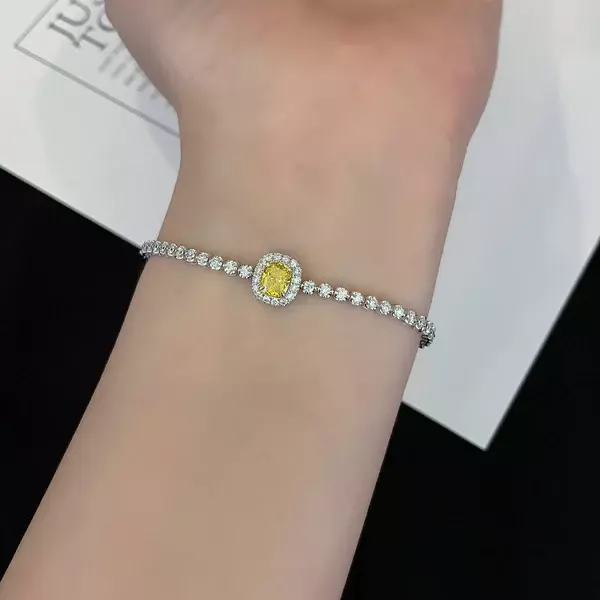
Everything You Need to Know About Lab Grown Diamond Tennis Bracelets
1 hour ago -
6 minutes, 28 seconds
Diamond tennis bracelets have remained one of the most popular jewelry pieces for decades. Their clean design, versatility, and ability to complement both everyday and formal outfits have made them a favorite choice among jewelry enthusiasts. Today, buyers have more options than ever before, thanks to advancements in diamond technology and growing interest in sustainable alternatives.
A lab grown diamond tennis bracelet offers the same visual appeal and durability as traditionally mined diamonds while providing additional benefits related to affordability and sourcing. Whether you're purchasing your first bracelet or adding another piece to your jewelry collection, understanding the details behind lab-grown diamonds can help you make a confident decision.
In this guide, we'll cover everything you need to know about lab-grown diamond tennis bracelets, from how they're made to how to choose the right style, size, and quality.
What Is a Lab Grown Diamond Tennis Bracelet?
A lab grown diamond tennis bracelet features a continuous line of diamonds created in specialized laboratory environments using advanced technology that replicates the natural diamond formation process. These diamonds have the same physical, chemical, and optical properties as mined diamonds.
The term "tennis bracelet" became widely recognized after professional tennis player Chris Evert famously stopped a match to search for her diamond bracelet after it fell off during play. Since then, the design has become a staple in fine jewelry collections around the world.
Unlike diamond simulants such as cubic zirconia or moissanite, lab-grown diamonds are genuine diamonds. They offer the same hardness, brilliance, and longevity while often being available at a lower price point.
Why Are Lab Grown Diamond Tennis Bracelets Becoming More Popular?
Many buyers are choosing lab grown diamond tennis bracelets for several reasons:
Better Value for Money
One of the biggest advantages is cost efficiency. Buyers can often purchase larger diamonds or higher-quality stones for the same budget compared to mined diamond alternatives.
Ethical Sourcing Considerations
Many consumers prefer products with transparent sourcing practices. Lab-grown diamonds provide an alternative option for individuals who prioritize supply chain visibility.
Wide Variety of Designs
Manufacturers now produce an extensive range of styles, diamond sizes, metal options, and settings, making it easier to find a bracelet that matches personal preferences.
Consistent Quality
Because lab-grown diamonds are created in controlled environments, they often offer excellent consistency in terms of clarity, color, and cut quality.
Understanding the Different Types of Lab-Grown Diamond Tennis Bracelets
When shopping for a bracelet, you'll find several variations designed for different tastes and occasions.
Classic Four-Prong Setting
The four-prong setting remains one of the most popular choices. It securely holds each diamond while maximizing light exposure.
Three-Prong Tennis Bracelets
Three-prong settings create a slightly lighter appearance and often provide a more flexible fit around the wrist.
Bezel-Set Bracelets
Bezel settings surround each diamond with metal, offering additional protection and a sleek appearance suitable for daily wear.
Graduated Diamond Bracelets
These designs feature diamonds that gradually increase or decrease in size across the bracelet, creating a distinctive visual effect.
How Are Lab-Grown Diamonds Created?
Lab-grown diamonds are produced using two primary methods:
High Pressure High Temperature (HPHT)
This process replicates the natural conditions under which diamonds form deep within the earth. Carbon is subjected to extreme pressure and temperature until it crystallizes into a diamond.
Chemical Vapor Deposition (CVD)
The CVD method uses carbon-rich gases inside a specialized chamber. Over time, carbon atoms accumulate and form a diamond crystal layer by layer.
Both methods produce authentic diamonds that can be graded using the same standards applied to mined diamonds.
Important Factors to Consider Before Buying
Choosing the right bracelet involves evaluating several key characteristics.
Diamond Quality
The four traditional grading factors remain important:
- Cut
- Color
- Clarity
- Carat weight
A well-cut diamond often has the greatest impact on overall appearance.
Total Carat Weight
Tennis bracelets are available in various carat weights, ranging from delicate 1-carat designs to statement pieces exceeding 20 carats.
For everyday wear, many buyers prefer bracelets between 2 and 5 total carats.
Metal Type
Common metal options include:
- 14K white gold
- 14K yellow gold
- 14K rose gold
- 18K gold
- Platinum
Each metal offers different benefits related to appearance, durability, and price.
Bracelet Length
Most standard women's tennis bracelets range from 6.5 to 7.5 inches. Proper sizing is essential for comfort and security.
Choosing the Best Lab Grown Diamond Tennis Bracelet
Finding the best lab grown diamond tennis bracelet depends on your personal priorities and intended use.
Consider asking yourself:
- Will the bracelet be worn daily or occasionally?
- Do you prefer larger diamonds or higher clarity?
- What metal color complements your existing jewelry?
- What budget range feels comfortable?
Many buyers discover that balancing diamond size, quality, and craftsmanship provides the best overall value.
Women's Lab Grown Diamond Tennis Bracelet Styles
A women's lab grown diamond tennis bracelet can be styled in numerous ways.
Popular choices include:
- Delicate single-row designs
- Statement oversized diamond bracelets
- Mixed-shape diamond arrangements
- East-west diamond settings
- Vintage-inspired designs
These bracelets can be worn individually or layered with watches and other bracelets for a personalized look.
Lab Created Diamond Tennis Bracelet vs. Mined Diamond Bracelet
When comparing a lab created diamond tennis bracelet with a mined diamond bracelet, the differences are often more practical than visual.
| Feature | Lab-Created Diamonds | Mined Diamonds |
|---|---|---|
| Physical Properties | Identical | Identical |
| Durability | Identical | Identical |
| Appearance | Identical | Identical |
| Price | Generally Lower | Generally Higher |
| Origin | Laboratory | Natural Mining |
Most consumers cannot distinguish between the two without specialized equipment.
Are Lab Created Diamonds Tennis Bracelets Durable?
Yes. A lab created diamonds tennis bracelet offers exceptional durability because diamonds rank 10 on the Mohs hardness scale.
With proper care, these bracelets can last for generations. Their resistance to scratching and wear makes them suitable for regular use.
However, like all fine jewelry, periodic maintenance and inspection are recommended to ensure clasps and settings remain secure.
How to Care for Lab Created Diamond Tennis Bracelets
Proper care helps preserve the appearance and longevity of your bracelet.
Cleaning Tips
- Use warm water and mild dish soap.
- Clean gently with a soft toothbrush.
- Rinse thoroughly.
- Dry with a lint-free cloth.
Storage Recommendations
Store your bracelet separately from other jewelry pieces to avoid unnecessary contact and scratching.
Professional Inspection
Have your bracelet inspected by a jeweler every one to two years to verify that settings and clasps remain secure.
Affordable Lab Grown Diamond Tennis Bracelet Options
An affordable lab grown diamond tennis bracelet does not necessarily mean compromising on quality.
To maximize value:
- Choose slightly lower color grades that still appear white.
- Focus on excellent cut quality.
- Consider 14K gold instead of platinum.
- Select total carat weights that fit your budget goals.
These adjustments can significantly reduce costs while maintaining excellent overall appearance.
Current Design Trends in Lab Grown Diamonds Tennis Bracelet Collections
Today's lab grown diamonds tennis bracelet collections include a wide range of creative designs:
- Oval-cut diamond bracelets
- Emerald-cut diamond bracelets
- Mixed-shape styles
- Hidden clasp designs
- Double-row tennis bracelets
- Vintage-inspired settings
Many jewelry enthusiasts also appreciate specialty craftsmanship offered by brands such as Antiquecut for unique diamond jewelry aesthetics.
Should You Buy a Lab Created Diamond Tennis Bracelet?
A lab created diamond tennis bracelet can be an excellent option for buyers seeking authentic diamonds with flexible pricing options and a broad selection of styles.
Whether you're shopping for a personal milestone, a gift, or an addition to your jewelry collection, understanding quality factors, craftsmanship, and fit will help ensure you make the right choice.
As the market continues to expand, consumers now have access to an impressive variety of lab created diamond tennis bracelets that suit different budgets and style preferences.
If you're ready to begin your search, explore collection of lab grown diamond tennis bracelets to compare designs, diamond sizes, and settings that align with your personal preferences and lifestyle needs.
Related Posts


Contact Information
Suggested Writers
-

7.4K articles
-

2.4K articles
-

1.3K articles
-

34 articles




Comment