Alerts

-
3 minutes, 50 seconds
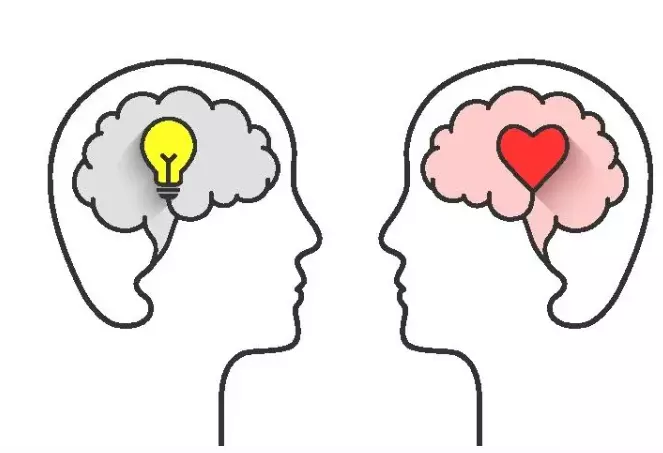
Many people think the best salespeople are naturally charming, highly intelligent, or relentless go-getters. But research and real-world experience show a different truth: emotional intelligence (EI) is the hidden engine of ROI in sales. Studies consistently find that sales professionals with higher emotional intelligence outperform their peers—often by a significant margin.
Katelin Spielmaker, Director of Leader Growth Solutions at Amway, sees this every day. She helps thousands of Independent Business Owners (IBOs) across the U.S., Canada, and the Dominican Republic grow their businesses. Her secret? Emotional intelligence.
“It’s about people,” Spielmaker explains. “It’s about knowing what matters to others and appreciating their unique value. Emotional intelligence helps our business owners understand and manage their own internal state while paying careful attention to their teams and customers.”
Spielmaker describes herself as a reflective leader. She listens closely—not just to words, but to what’s left unsaid. This skill helps her cut through complexity and respond in ways that are both strategic and human.
“Listening is just the baseline,” she says. “The real objective is depth: offering someone your complete, focused attention in a world full of distractions.”
She adds that paying deep attention to a person’s natural rhythms helps you tell when something is off. You can distinguish between someone who needs space after a hectic morning and someone who welcomes high energy.
These four skills aren’t abstract concepts. They come to life in every sales call. For example, self-awareness helps you ask: Am I creating space? Am I listening for what the customer actually needs—or just preparing my next line?
Spielmaker notes that Amway business owners invest deeply in relationships. “People can feel the difference when you show up consistently, and that’s what builds trust over time,” she says.
Spielmaker’s understanding of emotional intelligence started early. She grew up as “a daughter of a coach” and “a daughter of entrepreneurs,” surrounded by teamwork and accountability. As a college athlete, she learned that talent alone isn’t enough.
“What drives lasting success is the way teams build trust, take ownership, and consistently encourage each other to go further,” she says.
Her grandmother, a real estate agent who sold homes until age 91, showed her the power of relationships. “She stayed a part of people’s lives,” Spielmaker recalls. Her grandmother’s final sale was to a third-generation family connection. “It showed me the power of nurturing relationships and how that can actually drive and sustain a business.”
The impact isn’t just anecdotal. Frequently cited L’Oréal research found that sales reps selected for emotional intelligence competencies sold $91,370 more annually than those chosen through a standard process. That contributed to a $2.56 million net revenue increase. These high-EI reps also had 63% lower first-year turnover, showing stronger performance and greater retention.
The message for talent development is clear: treat emotional intelligence as a core capability. Embed EI into hiring, onboarding, coaching, and manager development. Translate the four core skills into observable sales behaviors:
As Spielmaker puts it, “You can’t accomplish anything without partnering with other people. At Amway, it started with two friends more than 60 years ago. It’s in our DNA: we’re better, our work is stronger, together.”
Emotional intelligence isn’t a soft skill—it’s a hard driver of sales performance, retention, and revenue. Whether you’re a sales leader, a business owner, or a talent developer, investing in EI will pay off. Because in the end, relationships outlast transactions.










Comment