Alerts

-
3 minutes, 5 seconds
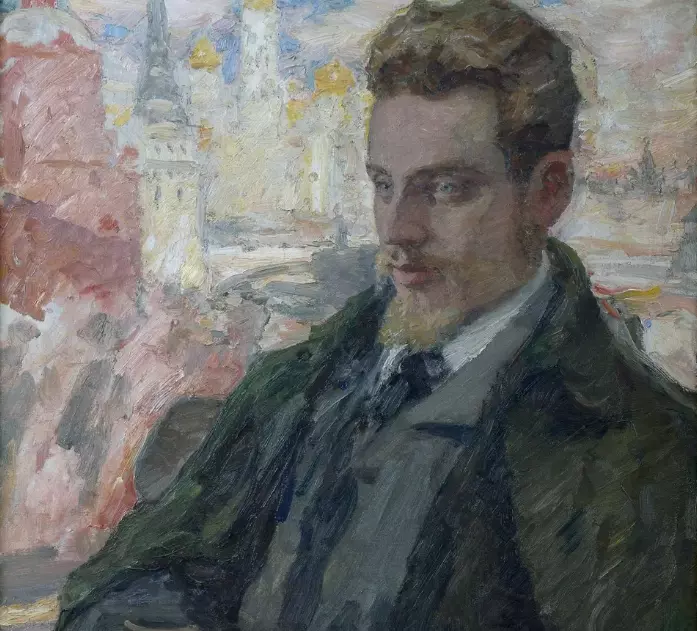
In August 1904, poet Rainer Maria Rilke wrote a letter to a young military cadet who was struggling with sadness. His advice? Don't shut out your uneasiness, misery, or depression. This is one of the earliest and clearest arguments for a core emotional intelligence (EI) skill: process your feelings instead of fighting them. The Emotional Intelligence Quote Of The Week By Rilke reminds us that discomfort often signals growth, not danger.
Rilke wrote: "Why do you want to shut out of your life any uneasiness, any misery, any depression, since after all you don’t know what work these conditions are doing inside you?"
He was describing what psychologists now call emotional suppression. This is the habit of shutting down, numbing, or reasoning your way out of uncomfortable feelings before they've done their work. Rilke's advice pushes back against that tendency. He suggests you let the "sickness have its whole sickness" because pain is often the way your mind frees itself from what's holding you back.
In modern emotional intelligence terms, Rilke's advice is a perfect example of self-management. Self-management is one of the four core EI skills. It means handling your emotions in healthy ways, not ignoring them.
Travis Bradberry, author of The New Emotional Intelligence, recommends "scheduling out time to process your emotions." This means reflecting on what you feel and why, instead of pushing it down and hoping it goes away on its own.
Research backs up Rilke's insight. A study published in Behavior Therapy asked people with anxiety and mood disorders to watch a distressing film. Some were told to suppress their emotions, others to accept them. Both groups felt equally distressed during the film. But afterward, the suppression group had higher heart rates and lingering negative feelings. The acceptance group calmed down faster—both physically and emotionally.
Another large body of research by psychologist James Gross shows that habitual emotional suppression is linked to higher long-term rates of depression and anxiety. Fighting a feeling doesn't make it disappear. It just makes it harder to carry.
Imagine this: Your dad just had a health scare. You and your spouse have been snapping at each other all week. You lost your temper at your kid over dishes in the sink. None of these events are huge alone, but everything is piling up. Your instinct is to power through—work late, numb out in front of a screen, and tell everyone you're fine.
Instead, try Rilke's approach. Give yourself ten unhurried minutes to sit down and ask yourself:
You don't need a tidy answer. You don't even need a next step. Just face the question. As research shows, you'll leave that moment of reflection feeling the effects of your emotion less, not more.
Rilke's real insight is that discomfort is often a sign that something in you is already changing. The emotionally intelligent move isn't to silence uneasy feelings—it's to make room for them. Schedule the time, sit with what's there, and let it move through you. That, as Rilke put it, is how you purge the virus from your body and actually get better.










Comment