
Alerts
-
2 minutes, 56 seconds
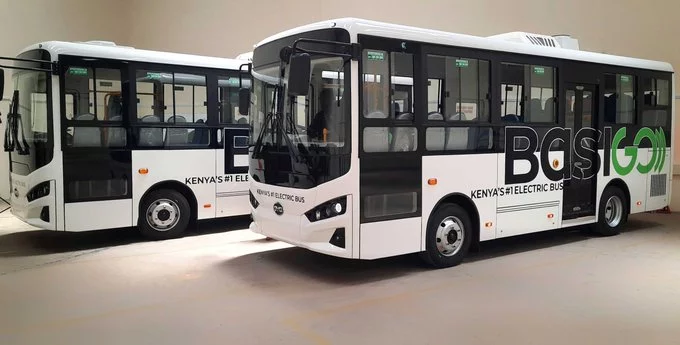
Electric buses are now operating across some of Nairobi’s busiest commuter corridors, bringing cleaner, quieter, and more affordable transport to thousands of daily passengers. BasiGo, a leading e-mobility company, reports that 102 of its 136 deployed vehicles are currently running in Kenya, serving routes that link major estates, satellite towns, and the CBD.
Nairobi’s roads are notorious for traffic jams and high fuel costs. Electric buses (e-buses) offer a practical solution:
BasiGo’s electric buses now serve high-demand corridors including Thika Road, Mombasa Road, and routes connecting estates like Ruai, Kayole, and Kasarani to the city center. The company plans to expand further into satellite towns such as Kitengela and Athi River.
BasiGo uses a pay-as-you-drive model, which helps operators switch to electric without high upfront costs. The company provides the bus, charging infrastructure, and maintenance. Operators pay per kilometer driven. This lowers the barrier to entry and speeds up adoption.
While the shift is promising, challenges remain. Charging infrastructure needs to expand, and the initial cost of buses is still high. However, BasiGo’s model and growing demand suggest that electric buses will become a common sight on Nairobi’s roads in the next few years.
Kenya aims to reduce carbon emissions by 32% by 2030. Electric buses play a key role in this plan. With BasiGo leading the way, Nairobi is becoming a model for sustainable urban transport in Africa.










Comment