Alerts

-
2 minutes, 46 seconds
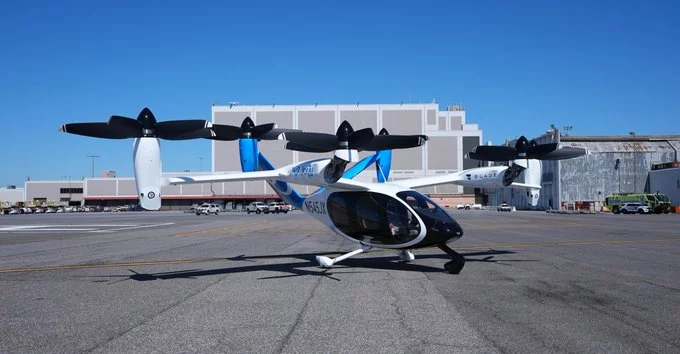
Electric air taxis—the futuristic flying vehicles meant to zip you over traffic—are facing a major roadblock: the courtroom. Instead of taking to the skies, these eVTOL (electric vertical takeoff and landing) aircraft are tangled in lawsuits, regulatory delays, and legal disputes. This article breaks down why electric air taxis are stuck in the courtroom and what it means for the future of urban air mobility.
Electric air taxis are small, battery-powered aircraft designed for short trips in cities. Think of them as flying Uber rides. Companies like Joby Aviation, Archer Aviation, and Lilium are racing to launch them. But before you can book a flight, these companies must win approval from regulators—and fight off legal challenges.
One big reason electric air taxis are stuck in the courtroom is patent disputes. Rival companies are suing each other over who owns key technology—like battery systems, propellers, and flight controls. For example, Joby Aviation and Archer have been locked in a patent lawsuit since 2021. These fights can take years to settle, delaying product launches.
Even without lawsuits, electric air taxis need approval from the Federal Aviation Administration (FAA). The certification process is slow and expensive. Companies must prove their aircraft are safe, quiet, and reliable. But legal challenges from competitors or environmental groups can further slow things down. For instance, in 2023, a court ruling forced the FAA to re-evaluate noise standards for eVTOLs, adding months of delays.
Not all legal fights are between companies. Neighborhood groups and environmental activists are also suing to stop air taxi projects. They worry about noise pollution, visual clutter, and battery waste. For example, a planned vertiport (helipad for eVTOLs) in Los Angeles was blocked by a lawsuit from residents. These cases add uncertainty for investors and operators.
Despite the delays, experts believe electric air taxies will eventually fly. But the courtroom battles will shape how they operate. Key takeaways:
If you're following this space, watch for court rulings on patent cases. A win for Joby or Archer could trigger stock jumps. Also, pay attention to FAA updates—they signal real progress. For now, electric air taxis remain grounded, but not forever.
Electric air taxis are stuck in the courtroom today, but that doesn't mean they're doomed. Legal battles are common in new industries. Once patent disputes settle and regulations catch up, these flying vehicles could transform how we travel. Stay tuned—and keep your eyes on the horizon.










Comment