Alerts

-
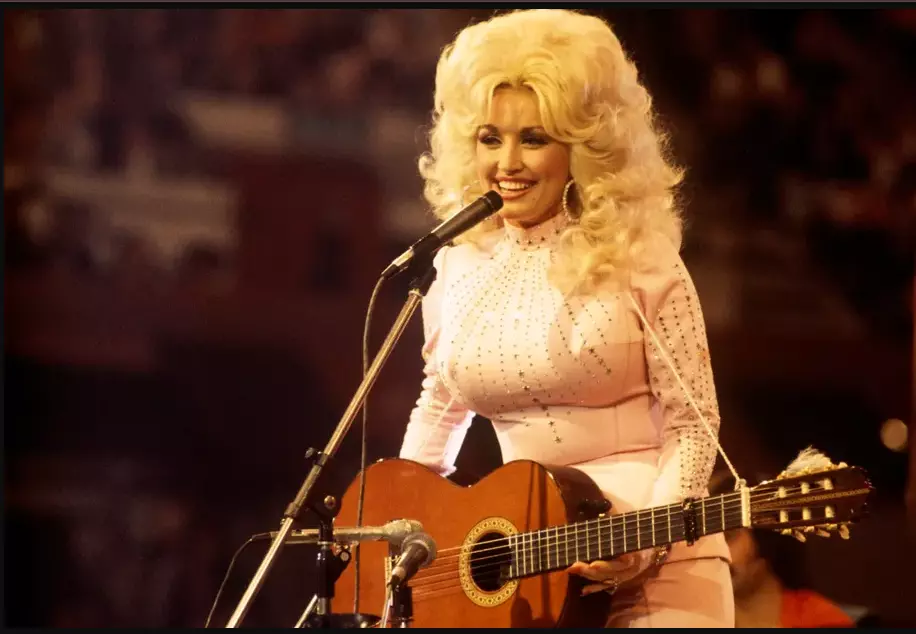
Country music icon Dolly Parton, 80, recently passed away following a short battle with cancer. While her rise to stardom was built on legendary songwriting and performances—producing timeless hits such as “Jolene” and “I Will Always Love You”—her influence extended far beyond the stage. Parton’s career included appearances in numerous television shows and films, earning her widespread appeal across multiple generations. Yet, for many, her most enduring impact may be her extensive philanthropic work and the powerful example she set for what it truly means to be an ally.
Parton’s approach to advocacy offers a masterclass in genuine support—the kind that goes far beyond performative gestures made for public praise or recognition. Throughout her life, she consistently leveraged her access, wealth, privilege, and platform to empower others. For anyone striving to be a meaningful ally, her actions provide a clear blueprint: true allyship often requires willingly stepping back from your own power and advocating selflessly for those who are more marginalized.
Parton was a vocal advocate for the LGBTQIA+ community, frequently using her influence to amplify their voices. In a 2016 interview, she openly praised her gay following and demonstrated her commitment through action. Her advocacy, however, was not limited to a single cause. She actively funded initiatives related to education, pediatric healthcare, disaster relief, hunger, and childhood literacy.
One of her most significant contributions came in 1995 when she established a childhood literacy program in honor of her late father, who was illiterate. Since its inception, this program has donated more than 300 million books to children aged five and under. This initiative reflects a deep understanding that meaningful change requires sustained effort and tangible resources, not just words of support.
Allyship lesson: Parton understood the power that came with her platform and used it to advocate for others, especially those from more marginalized communities than her own. Her example challenges us to consider how we can use our own positionality, privilege, and power for good—and to advocate for those who do not have the same level of access.
Rather than staying silent—which, for many people of Parton’s stature, would have been the easier path—she chose to speak out against racial injustice. In a 2020 interview with Billboard, Parton was quoted as saying, “And of course Black lives matter. Do we think our little white asses are the only ones that matter? No!”
This direct and unflinching statement stood in stark contrast to some of her peers who adopted an “All Lives Matter” stance. Parton chose instead to speak truth to power, even when it was uncomfortable or potentially risky for her brand. Her willingness to take a clear position demonstrated that allyship sometimes requires taking a stand that may not be universally popular.
Her commitment to this principle also showed in her business decisions. After the racist origins of the word “dixie” were brought to her attention, Parton changed the name of her dinner theatre show from Dixie Stampede to Dolly Parton’s Stampede. This act demonstrated a willingness to listen, learn, and make meaningful changes even when they affected established ventures.
Allyship lesson: There is never a wrong time to speak out about injustice and oppression. In an ideal world, everyone would use their voice, platform, and positionality to call out wrongdoing. However, the realization that speaking out can impact one’s reputation and livelihood causes many to hesitate and remain silent. Parton understood that nothing will ever change if those who hold power are not willing to use their voice. Her example encourages us to find ways in our everyday lives to advocate for those who are more marginalized than ourselves.
True allyship often requires those in positions of privilege to actively shift resources, influence, and opportunities toward marginalized communities. Dolly Parton’s handling of the massive success of “I Will Always Love You” provides a powerful example of what this looks like in practice.
As People reported, Parton revealed in a 2021 interview with Andy Cohen that she directed a portion of the $10 million in royalties generated by Whitney Houston’s 1992 recording of the song toward investments in Nashville’s Black community. The song, which Parton originally wrote and recorded, became a global phenomenon in Houston’s hands, earning Houston two Grammy Awards. Despite the widespread public assumption that the song originated with Houston, Parton never publicly objected or expressed frustration over the lack of credit she received. Instead, she was content to let Houston shine in the spotlight that her unforgettable performance rightfully earned.
The lesson here is straightforward: with great power comes great responsibility. Those who hold power should not shy away from reallocating and redistributing it to others. Genuine allyship and advocacy demand a willingness to share access, resources, and recognition.
Parton could easily have reinvested those millions solely into her own career and business ventures. Instead, she recognized the profound impact that directing financial support toward Black communities and uplifting Black artists could have. Her choice demonstrates a deliberate understanding that supporting others does not diminish one’s own success; it multiplies the collective good.
You do not need millions in royalties to practice power redistribution in your own professional and personal life. Consider the following actions:
Redistributing power is not about diminishing your own position. It is about recognizing that lasting change happens when those who have access use it to create pathways for others. Parton’s example shows that quiet, deliberate generosity can send a powerful message about what true advocacy looks like—and it challenges each of us to examine how we can use our own influence to lift others up.










Comment