Alerts

-
7 minutes, 19 seconds
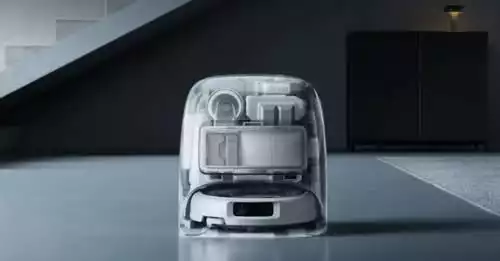
DJI Romo security concerns exploded after a researcher revealed he could remotely access thousands of robot vacuums worldwide. The discovery quickly raised questions about smart home privacy, data safety, and how connected devices are secured. While the vulnerability may now be patched, the incident has reignited fears about the risks of always-connected gadgets. Many users are now wondering whether their smart devices could be silently watching or mapping their homes.
Security researcher Sammy Azdoufal says the discovery began as a simple experiment. He reportedly wanted to control his personal DJI Romo robot vacuum using a custom controller app. Instead of connecting to a single device, thousands of vacuums allegedly responded through DJI’s servers. That unexpected response revealed a much larger security issue lurking beneath the surface.
As more devices appeared on his system, Azdoufal realized the scale of the vulnerability. The connected vacuums reportedly sent data packets regularly, including cleaning activity and device information. This meant the flaw wasn’t limited to one region or user group. It suggested a global exposure affecting thousands of homes.
The most alarming detail wasn’t just device control. According to demonstrations, the vulnerability allowed access to live camera feeds from the robot vacuums. That meant someone could potentially see and hear what the robot captured while navigating inside a home. For many users, that possibility crosses a major privacy line.
Even more concerning, the devices could map interior layouts. Smart robot vacuums typically build floor plans for navigation, but exposed data could allow someone to visualize entire homes. Combined with IP data, rough locations could also be estimated. That combination turns a cleaning gadget into a potential surveillance risk.
Smart home devices are designed to be convenient, but they also create new attack surfaces. Robot vacuums, smart cameras, and connected appliances constantly communicate with cloud servers. When security gaps appear, they can expose more than users realize. The DJI Romo incident highlights how small vulnerabilities can scale quickly.
Privacy experts have long warned about connected home ecosystems. Many devices collect detailed behavioral data, from movement patterns to daily routines. When aggregated, this information becomes extremely valuable — and potentially dangerous. That’s why even a temporary vulnerability can have long-term consequences.
DJI has reportedly moved to address the vulnerability after it became public. The company indicated that fixes were implemented to prevent unauthorized access. However, the exact technical details of the patch have not been widely disclosed. That leaves some users questioning how fully the issue has been resolved.
Transparency remains a key concern in incidents like this. Without clear communication, consumers struggle to assess their risk. Companies often move quickly to patch vulnerabilities, but public trust depends on openness. The situation puts additional pressure on manufacturers to explain how devices handle sensitive data.
The DJI Romo case reflects a larger trend across the tech industry. Smart homes are expanding rapidly, with more devices gaining cameras, sensors, and cloud connectivity. Each added feature increases convenience — but also risk. Security is no longer optional; it’s foundational.
Governments, especially in regions like the United States, have already begun scrutinizing connected hardware makers. Concerns around data privacy and foreign tech companies continue to shape policy debates. Incidents like this may accelerate regulatory pressure on manufacturers. That could lead to stricter compliance standards in the near future.
Even if the vulnerability is patched, users should take proactive steps. Updating device firmware is the first and most important move. Security patches only work when installed, and many users delay updates. Keeping software current helps close known vulnerabilities.
Users should also review privacy settings inside their smart home apps. Disabling unnecessary features like remote camera access can reduce exposure. Network-level protections, such as isolating smart devices on separate Wi-Fi networks, can add another layer of defense. Small precautions can significantly reduce risk.
The DJI Romo security scare underscores a broader reality: convenience often outpaces security. Many tech companies race to ship innovative products but underestimate the long-term security implications. Once devices enter homes, vulnerabilities become deeply personal. That changes how consumers evaluate tech brands.
Industry-wide, this incident may serve as a wake-up call. Companies will likely face growing pressure to adopt stronger encryption, better authentication, and clearer security disclosures. Consumers, meanwhile, are becoming more privacy-aware than ever. That shift could redefine how smart devices are designed and marketed.
The DJI Romo story isn’t just about one robot vacuum. It’s a reminder that connected devices can expose deeply private spaces when security fails. While the immediate flaw may be fixed, the larger conversation is just beginning. Smart homes are only getting smarter — and more complex.
For consumers, the key takeaway is awareness. Understanding the risks behind connected gadgets is now part of everyday digital life. For manufacturers, trust is the real currency. And once shaken, it can be far harder to clean up than any mess on the floor.









Comment