Alerts

-
5 minutes, 48 seconds
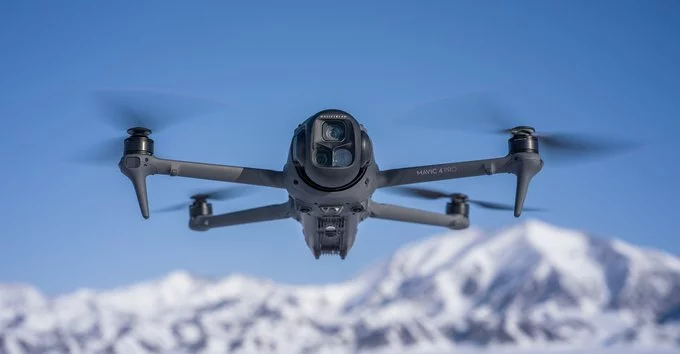
Drones are no longer just fun gadgets for kids or tools for creators—they’ve become a flashpoint in global politics. The DJI ban in the United States is raising urgent questions: Can hobbyists still fly? Will prices rise? And what does this mean for the future of consumer drones? As regulations tighten, everyday users are feeling the impact of decisions driven by national security concerns.
The shift signals a major turning point. What was once a booming hobbyist market is now caught in the crossfire of geopolitical tension. For many, the idea that drones are “for war now” no longer feels like an exaggeration—it feels like reality.
The decision to restrict DJI products stems from ongoing concerns about data security and foreign technology control. Authorities argue that drones capable of capturing high-resolution footage and sensitive location data pose potential risks. While officials frame this as a necessary precaution, the move has sparked widespread debate.
For years, DJI dominated the consumer drone market with accessible, high-quality devices. From aerial photography to agriculture, their products became essential tools across industries. The ban disrupts that dominance almost overnight, leaving a massive gap in the market.
Critics, however, question whether the ban goes too far. They argue that it punishes everyday users more than it addresses broader security concerns. For hobbyists, content creators, and small businesses, the change feels abrupt and deeply personal.
The DJI ban hits hardest at hobbyists and independent creators. These users rely on affordable, reliable drones to capture content, explore photography, and even build careers. Without access to familiar tools, many now face tough choices.
Some may turn to alternative brands, but options remain limited in terms of quality and pricing. Others might be forced to pause their work altogether. For young enthusiasts especially, drones were a gateway into tech, creativity, and even aviation careers. That pathway is now less accessible.
There’s also an emotional layer to the shift. Drones were seen as fun, innovative, and empowering. The narrative changing toward surveillance and warfare reshapes how people feel about using them at all.
Market disruptions almost always lead to higher prices, and the drone industry is no exception. With DJI out of the picture in the U.S., remaining manufacturers face increased demand and reduced competition. This combination often drives costs up.
Consumers may soon notice fewer budget-friendly options on shelves. Entry-level drones, once widely available, could become harder to find. Professional-grade equipment may also see price spikes as demand shifts toward limited suppliers.
At the same time, new companies may attempt to fill the void. However, building the same level of trust, performance, and ecosystem takes time. For now, the market is entering a period of uncertainty and transition.
The DJI ban highlights a broader conflict between security and innovation. Governments are prioritizing control over technology that collects data, but that often comes at the cost of slowing progress and limiting access.
Innovation thrives in open markets where competition drives improvement. Restrictions can reduce that momentum, especially when a leading player is removed. This creates a delicate balance—protecting national interests while still encouraging technological growth.
For users, the tension is clear. They want safe, secure technology, but they also want freedom to create and explore. Finding that balance will define the future of the drone industry.
The global drone market is entering a new era shaped by regulation, politics, and shifting consumer expectations. Companies will need to adapt quickly, focusing on transparency, data protection, and regional compliance.
Meanwhile, users are likely to become more cautious. Questions about privacy and security will play a bigger role in purchasing decisions. Trust will become just as important as performance.
One thing is certain: drones are no longer just toys. They sit at the intersection of technology, security, and global power. And as this landscape evolves, both industries and individuals will need to navigate a future that looks very different from the past.








Comment