
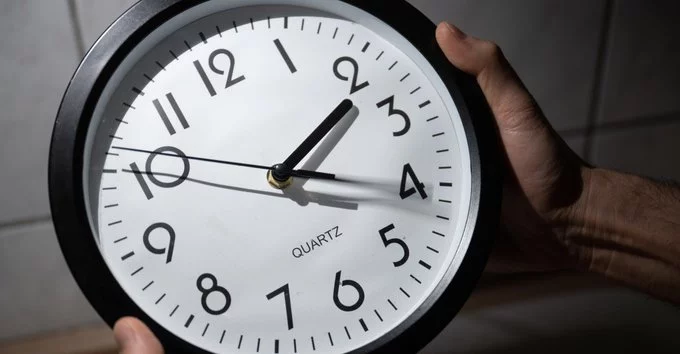
Daylight Saving Time on Track to Become Permanent in the US: What It Means for You
-
2 minutes, 37 seconds
Daylight Saving Time Is on Track to Become Permanent in the US
Daylight saving time is on track to become permanent in the US, meaning Americans may soon stop changing their clocks twice a year. This change would lock in longer evening daylight year-round, eliminating the spring-forward and fall-back routine. The Sunshine Protection Act, which has gained bipartisan support, aims to make daylight saving time the standard time across most of the country. If passed, it would bring more sunlight to your evenings during winter months, potentially boosting mood, productivity, and outdoor activities.
Why Is Daylight Saving Time Becoming Permanent?
The push for permanent daylight saving time comes from growing public frustration with clock changes. Studies show that shifting clocks disrupts sleep, increases health risks, and causes productivity losses. Key reasons include:
- Health benefits: Less disruption to natural sleep cycles reduces heart attacks and strokes.
- Economic gains: Longer evenings boost retail, tourism, and recreation industries.
- Safety improvements: More daylight in the evening lowers car accidents and crime.
How Would Permanent Daylight Saving Time Affect Your Daily Life?
More Evening Sunlight
With permanent daylight saving time, you would enjoy brighter evenings all year. This means more time for after-work walks, gardening, or family time outdoors. In winter, the sun would set around 5:30 PM instead of 4:30 PM, making evenings feel longer.
Darker Mornings in Winter
The trade-off is darker mornings. In northern states, sunrise could happen as late as 8:30 AM in December. This might affect early commuters and school children. However, many people prefer the extra evening light over bright mornings.
No More Clock Confusion
You would never have to remember to change your clocks again. This eliminates the groggy Monday after spring forward, which often leads to lost sleep and lower focus.
What Is the Current Status of the Sunshine Protection Act?
The Sunshine Protection Act passed the US Senate unanimously in 2022 but stalled in the House. In 2024, lawmakers reintroduced the bill with renewed momentum. To become law, it must pass both chambers and be signed by the President. If approved, the change could take effect as early as 2025. Some states, like Florida and California, have already passed laws to adopt permanent daylight saving time, pending federal approval.
Pros and Cons of Permanent Daylight Saving Time
Pros
- More time for evening activities and socializing
- Reduced health risks from clock changes
- Potential energy savings from less artificial lighting
Cons
- Darker mornings, especially in northern regions
- Possible safety risks for early-morning commuters
- Confusion for states that may opt out (Hawaii and Arizona already do not observe daylight saving time)
What You Can Do to Prepare
While you wait for the final decision, start adjusting your routine. Gradually shift your bedtime by 10 minutes each day to ease into any future change. Also, support local representatives who back the Sunshine Protection Act if you want permanent daylight saving time. Stay informed by checking updates from the US Congress website or trusted news sources.
Permanent daylight saving time is on track to become a reality, and it could transform how you experience daylight all year. Whether you love longer evenings or worry about dark mornings, this change is likely coming soon.



Contact Information





Suggested Writers
-

2.5K articles
-

1.3K articles
-

34 articles
-

28 articles


Comment