Alerts

-
8 minutes, 38 seconds
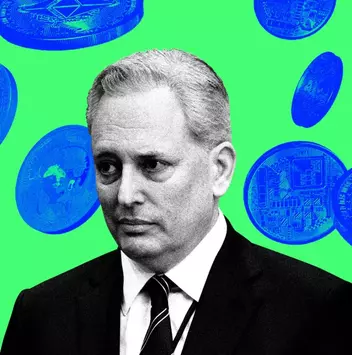
Silicon Valley rarely makes headlines in Washington—unless someone with tech clout steps into the political spotlight. David Sacks, the billionaire venture capitalist and former PayPal executive, has become that figure. Following a revealing New York Times report, Sacks’ influence in the Trump White House is under scrutiny, exposing conflicts tied to his investments in AI and crypto. Yet, despite the controversy, Silicon Valley has rallied around him, positioning Sacks as one of the tech world’s most connected insiders.
The story isn’t just about politics; it’s about how tech figures like Sacks navigate power and influence. For the average reader, the big question is clear: how did a tech billionaire secure such a close advisory role with the former president, and why is Silicon Valley so eager to defend him?
The Times’ article painted a picture of unprecedented access. Sacks, who also hosts a popular podcast, has been advising Trump on artificial intelligence policy while holding stakes in companies that stand to benefit from his guidance. This dual role sparked concerns over conflicts of interest, raising questions about ethics and transparency in political advisory positions.
Experts point out that Sacks’ approach mirrors the tech mantra of “move fast and break things”—a method that has made him both powerful and polarizing. As Ryan Mac, a journalist familiar with Silicon Valley politics, notes, the Valley views this kind of influence as a natural extension of tech ambition.
What has surprised many political observers is Silicon Valley’s coordinated support. AI leaders and tech investors see Sacks as a strategic ally, someone who can shape policy in a way that protects industry innovation. This support underscores a growing tension: the tech sector is increasingly asserting influence over U.S. political decisions, particularly around emerging technologies like AI.
For Sacks, this backing provides both legitimacy and protection. Even as MAGA factions push for his removal, Silicon Valley’s endorsement acts as a buffer, highlighting the complex intersection of wealth, tech power, and politics.
At the heart of the controversy are Sacks’ investments. He holds significant stakes in AI and crypto ventures, industries directly affected by policy decisions he helps shape. Critics argue that this presents a conflict of interest, while supporters claim that his expertise is precisely why he’s an effective advisor.
This tension is emblematic of broader debates in Washington: how much influence should private-sector experts wield in policymaking, and at what cost to transparency and public trust? Sacks’ situation has turned these questions from abstract debates into a concrete case study.
Sacks’ journey from tech entrepreneur to political insider is unconventional. Known for his podcast and prior venture successes, he leveraged media presence and industry credibility to gain access to policymakers. In doing so, he embodies a modern archetype: the influencer who crosses industry lines to wield political power.
Observers note that Sacks’ rise illustrates how Silicon Valley’s informal networks can shape national policy without traditional gatekeeping. The story raises a compelling question: are political norms evolving to accommodate tech-driven influence, or are ethical standards being sidelined?
The report prompted mixed reactions in political circles. MAGA-aligned operatives criticized Sacks’ role, calling out his conflicts of interest, while other policymakers saw his involvement as inevitable given the growing importance of AI in national strategy.
Legal experts highlight the complexity of Sacks’ position. Serving as a “special government employee” allows certain advisory roles, but the ethical boundaries are murky. This ambiguity has created a perfect storm: high-profile scrutiny coupled with Silicon Valley protection.
Tech leaders see Sacks’ influence as both strategic and protective. In a competitive AI landscape, maintaining a voice inside government can mean shaping regulations, funding priorities, and industry standards.
For Sacks, the backing he receives from tech peers underscores an essential truth: in modern politics, economic power often translates into policy influence. Critics call this corporate capture, while supporters frame it as pragmatic engagement.
Despite tech support, Sacks faces resistance from MAGA factions within the Republican ecosystem. His advocacy for AI and tech-friendly policies has clashed with some of the base’s priorities, fueling internal tension.
This struggle highlights a broader theme in U.S. politics: as technology becomes central to policy, ideological factions must navigate not only political alliances but also the influence of private-sector power brokers.
Sacks’ story is not an isolated incident. It reflects a growing trend where Silicon Valley leaders play pivotal roles in shaping U.S. policy, often behind the scenes. From AI governance to cryptocurrency regulations, tech insiders are increasingly steering decisions that affect billions of Americans.
For journalists, analysts, and everyday citizens, understanding this dynamic is crucial. Sacks’ case offers a window into the mechanisms of influence, showing how strategic positioning, wealth, and industry credibility intersect to create outsized political impact.
The next steps for Sacks remain uncertain. With increased media scrutiny and political tension, his role may face further challenges. However, Silicon Valley’s support suggests that he is not easily removed from the conversation.
For the broader tech-policy landscape, this saga signals one thing clearly: the line between industry and government is blurring, and figures like Sacks are at the forefront of this transformation. Observers will be watching closely to see whether influence will be constrained by ethical debates or strengthened by strategic alliances.
David Sacks’ rise as a political insider illustrates a new era of tech-driven influence in U.S. politics. His involvement in AI policy, combined with Silicon Valley backing and MAGA pushback, makes him a central figure in debates over ethics, power, and policy. As tech and politics converge, Sacks’ story is a case study in how wealth, expertise, and ambition can shape national decisions—sometimes in ways the public only sees after the fact.










Comment