Alerts

-
3 minutes, 4 seconds
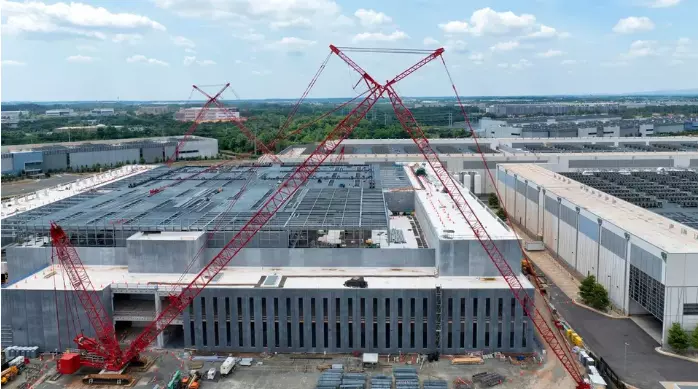
The build-out of data centers has reached remarkable proportions, yet the industry still cannot keep pace with demand for cloud computing and artificial intelligence. According to estimates from Data Center Map, there are now more than 12,250 data centers across the world, with just under half located within the United States.
The growth shows no sign of slowing. Overall capacity is expected to rise from 103 gigawatts (GW) to 200GW by 2030, according to an analysis by JLL Inc. In North America alone, more than 66GW of capacity is planned or now under development. To put that figure in perspective, it would amount to an electricity requirement greater than Germany's, according to the JLL report.
This accelerating build-out is stirring up concerns within communities about potential adverse impacts on electric power, water supply and the surrounding environment, and community resistance may slow the pace of development.
The build-out is not evenly spread, and its geography matters. In the U.S., 42% of Americans live within five miles of at least one operational data center or live near a planned data center, according to data from Pew Research. The largest concentrations are within Virginia (especially Loudoun County in the northern part of the state), Texas and California.
New growth, however, is tilting toward different markets. A majority of new capacity, 77%, is now being built in west Texas, along with Ohio, Louisiana, Indiana and the Carolinas, according to JLL. These are markets that had almost no data center capacity 10 years ago.
That shift means many communities are encountering the industry for the first time, and community opposition to this growth has also been swelling. Leading these concerns are electricity demand, water consumption, noise, tax incentives, land use, environmental impacts and transparency about developers’ and operators’ intentions.
Data centers can significantly expand the local tax base, create jobs and bring infrastructure investment. Virginia’s Loudoun County offers a striking example: it hosts more than 230 data centers, and more than 17,000 direct and indirect data center-related jobs have been created there, spanning specialized trades, technology, professional services and security. In Fiscal Year 2026, data centers generated $1.2 billion in real and personal property tax revenue—39% of the county’s overall budget.
Smaller communities see gains too. A Meta data center in DeKalb, Illinois contributed about $72 million in additional property tax revenue within its first four years, City Manager Bill Nicklas told a WGLT broadcast.
One caveat: a data center initially may create many temporary construction jobs, but once operations commence, employment may total significantly fewer permanent, on-site employees, according to data compiled by Brookings.
Concerns include electricity demand, water consumption, noise, tax incentives, land use, environmental impacts and transparency about developers' intentions. The financial stakes are real: power supply costs in the PJM grid region rose from $2.2 billion to $14.7 billion in a year, with data centers contributing significantly, according to Brookings. A typical data center now covers about 224 acres, a 144% increase in size since 2022, according to the World Resource Institute.
Communities should ask hard questions before approving projects. Key issues include:
Organized opposition can defeat a project outright. A data center project in Prince William County, Virginia, was terminated due to public opposition, showing that residents who demand transparency before the ribbon-cutting can shape the outcome.










Comment