
Alerts
Always receive notifications to stay updated on new posts & activities on your content and account on Social Network.
Aug 19 -
4 minutes, 13 seconds
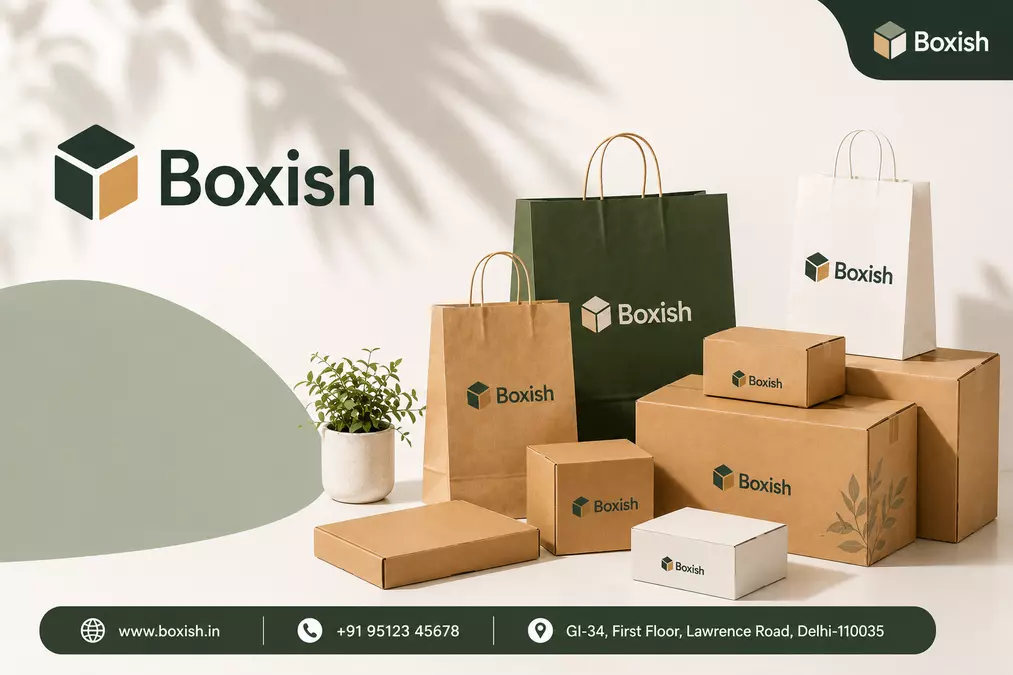
Packaging has become an important part of how customers experience a brand. For ecommerce businesses, the package is often the first physical interaction a customer has with the company after placing an order. A well-designed box can protect the product while also creating a memorable impression.
Custom cardboard boxes give businesses an opportunity to combine product protection, brand identity, and customer experience in one practical packaging solution.
Consistent packaging can help customers recognize a business more easily. Instead of using generic boxes for every order, businesses can incorporate their visual identity into the packaging.
Useful branding elements include:
The design should remain simple and readable. Too many design elements can make packaging look cluttered and reduce its professional appearance.
Customization should not focus only on appearance. Box dimensions should also be designed around the product.
A well-fitted package can:
For fragile products, businesses can also include suitable internal partitions or inserts.
Unboxing has become an important part of ecommerce customer experience. Customers often notice the condition, design, and organization of packaging before seeing the product.
Businesses can improve the experience through:
The goal is to make opening the package simple and enjoyable without adding unnecessary packaging layers.
Businesses that operate physical stores and ecommerce channels should maintain a consistent brand identity across their packaging.
For example, packaging bags for shops and stores can use the same logo, colours, and design language as ecommerce boxes. This creates a recognizable visual connection between the physical store and online shopping experience.
Consistent packaging also makes a growing business appear more organized and professional.
Different industries have different packaging requirements. A clothing brand may prioritize presentation, while an electronics seller may focus more heavily on protection.
Businesses should consider:
Customization should improve both functionality and presentation rather than focusing only on appearance.
Food businesses require packaging designed around their products and delivery conditions. Packaging must consider food presentation, handling, moisture, and transportation.
For example, packaging solutions for pizza businesses need to provide suitable dimensions, convenient handling, and appropriate ventilation to help maintain product quality during delivery.
Using specialized packaging for specific food products is generally more practical than adapting a general-purpose box to every requirement.
Custom packaging does not have to be excessively expensive. Businesses can control costs by focusing on the features that provide the greatest value.
Consider:
A practical design with clear branding can often create a stronger impression than an overly complicated package.
Businesses can make customized packaging more efficient by reducing unnecessary material.
Practical approaches include:
Sustainable packaging should still provide adequate protection. Preventing product damage is an important part of reducing overall waste.
A packaging design may look good on screen but perform differently in real-world use. Businesses should test samples before committing to large quantities.
Check:
Testing helps identify problems early and can prevent expensive changes after a large production order.
As order volumes increase, businesses need packaging that remains consistent in quality and availability.
Boxish Packaging provides packaging solutions for ecommerce, retail, food businesses, and other commercial applications. Businesses can evaluate packaging based on product requirements, branding goals, order volumes, and shipping conditions.
A reliable supplier can help businesses maintain consistency as their packaging requirements expand.
Before finalizing your box design:
Custom cardboard boxes can do much more than protect products during transportation. With thoughtful design, they can strengthen brand recognition, improve unboxing experiences, and create consistency across ecommerce and retail operations.
Businesses can extend the same branding approach to packaging bags for shops and stores, while specialized packaging solutions for pizza businesses can address the unique requirements of food delivery.
The most effective strategy is to combine attractive branding with practical functionality. By choosing appropriate dimensions, reliable materials, simple customization, and efficient designs, businesses can create packaging that protects products while leaving a stronger impression on customers.

8.1K articles

2.7K articles

1.5K articles

34 articles








Comment