Alerts

-
4 minutes, 51 seconds
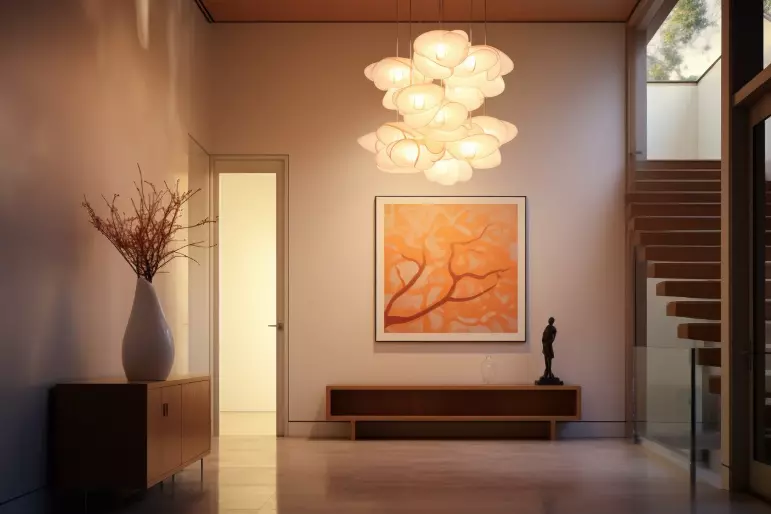
A chandelier can completely change the character of a room. It can introduce height, establish a focal point, frame a dining area, or add a sense of occasion to an otherwise understated interior. Yet choosing the right style is not simply a question of which design looks more impressive.
Crystal and contemporary chandeliers create very different visual experiences. One reflects light through intricate surfaces and traditional detailing, while the other often relies on clean geometry, sculptural forms, and restrained materials. The right choice depends on the architecture, furniture, ceiling height, colour palette, and atmosphere you want to create.
Lighting should be considered alongside furniture rather than in isolation.
A large chandelier positioned above a small dining table can make the furniture look undersized. A delicate fitting above an oversized table may lack sufficient visual presence.
The same principle applies in living rooms.
Consider the scale of sofas, occasional chairs, side tables, rugs, and the central Coffee Table/طاولة كوفي . The chandelier should contribute to the composition without competing with every other object.
Crystal chandeliers have a long association with formal interiors. Their reflective surfaces catch and scatter illumination, producing a sparkle that changes as people move through the room.
They can work particularly well in entrance halls, formal dining rooms, grand staircases, and larger living areas where there is enough visual space for detailed decoration.
A crystal design is especially effective when the surrounding interior already contains classic or transitional elements.
Decorative mouldings, rich fabrics, marble surfaces, carved furniture, and symmetrical arrangements can provide a natural setting. The chandelier then becomes part of a larger design language instead of appearing disconnected from the room.
However, crystal does not have to mean old-fashioned. A simplified crystal fixture can work in a contemporary setting when the surrounding furniture is restrained.
Modern chandelier design takes a different approach.
Instead of relying on ornate detailing, contemporary fixtures often use circles, linear arrangements, asymmetrical forms, slender arms, layered shapes, or artistic structures.
The emphasis is usually on silhouette.
A contemporary chandelier can become an architectural feature in its own right. This makes it particularly suitable for modern villas, apartments, open-plan living spaces, and interiors where clean lines dominate.
Proportion matters more than the label attached to a fixture.
A dramatic chandelier can look spectacular in a double-height entrance but overwhelming in a compact room. Similarly, a small decorative fixture may disappear in a large living area.
Measure the ceiling and consider the room's width before making a selection.
Crystal tends to create sparkle, glamour, and a more formal atmosphere.
Modern designs can feel quieter, architectural, artistic, or minimalist depending on their shape and finish.
Ask yourself how you want the room to feel in the evening.
Do you want it to feel elegant and traditional? Warm and intimate? Contemporary and dramatic? Relaxed but sophisticated?
The answer can narrow the selection considerably.
A chandelier is not purely decorative.
Its actual light output and direction should suit the room.
Some fixtures distribute illumination downward, while others spread light across the ceiling and surrounding surfaces. Crystal elements may also reflect light in multiple directions.
A beautiful fixture can become irritating if exposed bulbs shine directly into the eyes.
Think about the viewing height of people sitting in the room. Dining areas are particularly sensitive because guests spend extended periods looking across the table.
Diffusers, shaded bulbs, appropriate positioning, and dimming can improve comfort.
Metal finishes and crystal details should complement the interior.
Warm metallic finishes can work with timber, beige upholstery, cream walls, and warm stone. Dark finishes may create stronger contrast in contemporary rooms.
The fixture does not have to match every metal in the room exactly. Coordinated variation can look more sophisticated than identical finishes everywhere.
Crystal designs can be effective in:
Formal dining rooms
Grand entrances
Double-height foyers
Classic living rooms
Elegant staircases
Transitional interiors
Modern fixtures can suit:
Contemporary lounges
Open-plan interiors
Modern dining areas
Minimalist bedrooms
High-ceiling spaces
Architectural entrances
The surrounding design should ultimately determine the choice.
Detailed crystal fixtures require more attention because dust can accumulate between individual components.
Contemporary designs vary widely. Some are easy to clean, while sculptural forms can also require careful maintenance.
Consider accessibility before installing a fixture at significant height.
If the chandelier uses replaceable lamps, make sure they are accessible.
Integrated lighting systems can have different maintenance requirements, so understand how components are serviced before purchasing.
A chandelier should look as though it belongs there.
If the home has traditional architecture, a heavily geometric fixture may feel out of place. If the interior is minimalist, an ornate chandelier may become unnecessarily dominant.
The strongest interiors often balance contrast with connection.
A contemporary room can accommodate a classic fixture when other elements remain restrained. Likewise, a traditional setting can become more current with a carefully chosen modern installation.
There is no universal winner.
Crystal is ideal when you want sparkle, detail, and a sense of formal luxury. Contemporary chandeliers are better suited to homeowners who prefer sculptural shapes, clean lines, and modern visual language.
For those browsing Chandelier Lights Dubai, the best approach is to begin with the room rather than the fixture. Study the ceiling, furniture, proportions, finishes, and intended atmosphere.
A chandelier should do more than fill an empty ceiling point. It should complete the room's composition.
When its scale, style, light distribution, and finish work naturally with the surrounding interior, the result feels intentional rather than simply decorative.


8.4K articles

2.7K articles

1.6K articles

34 articles









Comment