Alerts

-
8 minutes, 43 seconds
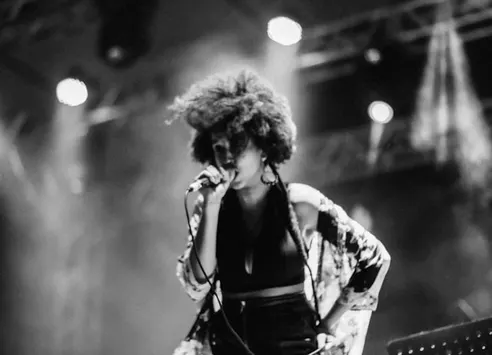
Creative Economy Africa is moving from cultural momentum to serious economic recognition. Interest is growing among investors, policymakers, and creators asking one key question: who owns Africa’s cultural value? As African music, film, gaming, and fashion reach global audiences, the financial systems around them are evolving just as quickly. What used to thrive informally is now attracting structured investment and institutional attention. That shift is redefining how creativity is monetized and who benefits most.
Recent analysis from the Brookings Institution suggests the continent’s creative industries are entering a formalized economic era. Intellectual property is beginning to carry weight similar to traditional exports like commodities or services. For many observers, this signals a turning point where culture meets capital at scale.
Estimates placing Africa’s creative economy at $200 billion by 2030 are fueling global interest. Investments are expanding across music, gaming, film production, animation, and digital fashion. Yet the headline number tells only part of the story. The deeper shift lies in how the ecosystem is structured and who controls the value chains.
Creativity has always existed across the continent, but monetization has lagged behind cultural influence. Informal markets, limited infrastructure, and fragmented distribution systems made it difficult for creators to capture global revenue. That imbalance is now changing rapidly as digital platforms lower barriers to entry.
Mobile internet access has transformed distribution. Creators no longer rely on physical venues or regional audiences to gain traction. A viral song, short film, or game can reach millions globally within hours, reshaping how scale is achieved.
One of the biggest transformations underway is the formalization of creative labor. Informal creative work is gradually being integrated into structured business ecosystems. Payment systems, licensing frameworks, and digital marketplaces are bringing transparency where opacity once dominated.
This evolution is pushing creative industries closer to mainstream economic sectors. Intellectual property rights are gaining recognition, and creators are increasingly negotiating contracts with global partners. That shift brings opportunities but also raises questions about equity and ownership.
As distribution moves online, payment systems are following audiences rather than venues. Fans no longer need geographic proximity to support creators. This dynamic is turning African creativity into a borderless economic asset.
Africa’s youthful population is often framed as a demographic challenge. But within the creative economy, it represents a strategic advantage. A young, digitally native generation is driving innovation across storytelling, design, and entertainment formats.
Creative industries absorb labor differently than traditional sectors. Small teams can build globally competitive intellectual property without massive capital investments. Software tools amplify productivity, enabling creators to scale output without replacing human creativity.
Experience compounds quickly in fields like music production, animation, and game development. Unlike industries where skills depreciate, creative expertise tends to deepen over time. This makes human capital one of Africa’s most valuable creative assets.
As international investment flows into Africa’s creative ecosystem, ownership structures are becoming more complex. Venture capital, global labels, and international studios are increasingly backing African creators. While this brings funding and exposure, it also raises concerns about long-term value capture.
Many creators worry about losing control over intellectual property in exchange for early-stage funding. Ownership terms can determine who benefits most as cultural assets scale globally. This tension sits at the heart of today’s creative economy debate.
Global capital often brings sophisticated monetization strategies that local markets are still developing. Without strong local frameworks, there is a risk that cultural value could be extracted faster than it is retained.
Infrastructure, not creativity, is the real differentiator in Africa’s creative economy. Tools for distribution, monetization, and rights management are reshaping the landscape. Digital payment rails, streaming platforms, and creator marketplaces are building the backbone of the new ecosystem.
This shift allows creators to bypass traditional gatekeepers and reach audiences directly. However, infrastructure ownership often determines where value ultimately accumulates. Platforms that control distribution channels wield enormous influence over revenue flows.
Local innovation hubs and creative incubators are attempting to close this gap. By building regional platforms and funding models, stakeholders hope to retain more value within the continent.
Beyond economics, the creative economy is becoming a contest over narrative power. Cultural exports shape global perceptions, and African creators are increasingly defining their own stories. From Afrobeats to digital art, cultural influence is expanding rapidly.
Yet storytelling power and financial power do not always align. Cultural visibility does not automatically translate into economic equity. The question now is whether Africa can build systems that match its cultural impact.
Ownership frameworks, legal protections, and investment structures will play a major role in determining outcomes. Decisions made today could shape creative wealth distribution for decades.
For creators, this transition period offers both opportunity and risk. Access to global audiences has never been easier, but competition and complexity are increasing. Navigating contracts, intellectual property rights, and monetization strategies requires new levels of awareness.
Education around ownership and digital rights is becoming essential. Creators who understand value chains are better positioned to negotiate equitable deals. This knowledge gap may ultimately shape who thrives in the evolving ecosystem.
At the same time, collaborative models are emerging. Collective ownership structures and creator-led platforms are gaining traction as alternatives to traditional industry models.
Creative Economy Africa is no longer just a cultural movement—it is an economic frontier. The coming years will likely determine whether value remains locally anchored or flows outward through global capital structures. Stakeholders across governments, startups, and creative communities are paying closer attention than ever.
Sustainable growth will depend on balancing investment with ownership. Stronger intellectual property laws, local funding mechanisms, and creator education could help level the playing field. Without these, the risk of value leakage remains high.
Ultimately, the future of Africa’s creative economy will be shaped by who builds the infrastructure and who controls the rights. Creativity has already proven its global appeal. The next chapter will determine who truly owns its rewards.










Comment