
-
5 minutes, 1 second
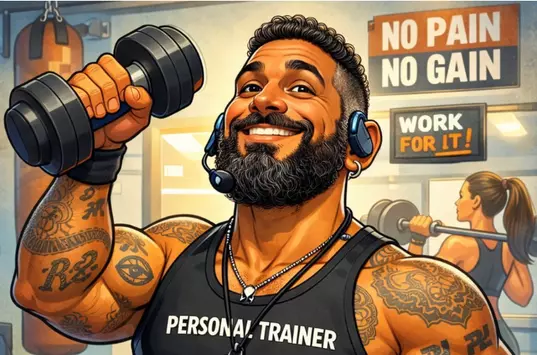
The ChatGPT trend turning selfies into AI caricatures is quickly spreading across social media, with users uploading photos and prompting the tool to visualize their professional lives. People want to know how it works, why it feels so accurate, and whether it’s safe to share personal data. The process is simple: upload an image, describe your job, and let AI create an exaggerated cartoon version of you. The result often reflects personality, daily routines, and career details. Many users say the images feel surprisingly personal and insightful. That blend of curiosity and entertainment is driving the trend’s rapid growth.
Across platforms, people from different professions are sharing animated versions of themselves generated by AI. News anchors, teachers, doctors, trainers, and real estate professionals are among those participating. The typical prompt asks the tool to create a caricature based on conversations, work roles, and personal details. Background elements often include job-related symbols, environments, or tools that match the person’s profession. This creates a playful yet recognizable version of the individual. The consistency of these outputs is what keeps the trend gaining traction online.
What makes this trend unique is how AI draws on information users provide over time. Chat history, descriptions, and uploaded photos help shape a more detailed digital portrait. Even new users can receive tailored results by sharing specifics about their job and routines. The more context provided, the more accurate the caricature appears. That perceived understanding makes the experience feel personal rather than generic. It also highlights how conversational AI interprets patterns and preferences.
Many participants say the images capture small details they didn’t expect AI to notice. Objects, clothing styles, and work settings often mirror real-life habits and environments. This creates a sense that the technology “knows” the person behind the screen. Emotional reactions range from amusement to surprise as users recognize parts of themselves in the visuals. The trend taps into a broader fascination with identity and digital self-representation. It also reinforces how AI is becoming part of everyday storytelling online.
As the trend grows, privacy concerns are becoming more visible. Uploading photos and personal details builds a digital profile that extends beyond the single image. Once shared publicly, images can be downloaded, reposted, or reused without context. Experts note that AI platforms operate differently from professions bound by strict confidentiality rules. This means personal data may not carry the same protections users expect. The balance between fun and caution is now part of the conversation.
The viral nature of the trend is fueled by easy sharing and instant reactions. Users post their caricatures to compare how accurately AI interprets different professions and personalities. Likes, comments, and reposts create momentum and visibility. The trend also benefits from familiarity with earlier AI art movements. Each new example invites others to test the tool themselves. That cycle keeps engagement high and interest growing.
This trend signals a broader shift toward personalized AI-generated identity content. As tools improve, digital avatars and caricatures may become more realistic and interactive. Businesses, creators, and professionals could use similar visuals for branding or storytelling. At the same time, conversations around data use and consent will likely intensify. The appeal lies in seeing technology reflect real-life experiences in creative ways. For now, the mix of curiosity, entertainment, and self-discovery keeps the ChatGPT trend moving forward.

7.8K articles

1.4K articles

34 articles

28 articles













Comment