
-
3 minutes, 28 seconds
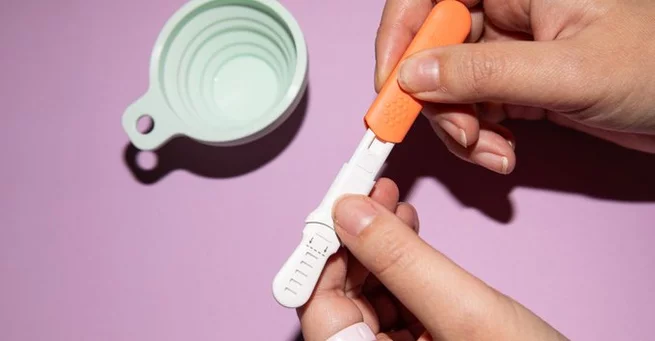
CES 2026 has brought a bold new focus on health technology: the analysis of bodily fluids. From urine and blood to sweat and saliva, startups and big tech alike are showcasing devices designed to monitor everything from metabolic health to aging. Attendees often ask what’s trending in health tech, and this year, the answer is unmistakable: fluid-based diagnostics. These innovations promise more personalized insights, helping users optimize wellness, longevity, and daily performance.
Among the most eye-catching devices are at-home hormone testing kits that rely on urine and saliva. Smart menstrual pads and panty liners also made waves, offering real-time health tracking for women. Even in-toilet hydration monitors are on display, allowing users to track fluid intake with unprecedented precision. Each of these products is part of a growing ecosystem of connected devices designed to provide actionable health insights at home.
CES 2026 isn’t just about standard wearables. A facial analysis mirror estimates aging by monitoring blood flow, while a sperm microscope brings fertility tracking to a personal scale. Foot sweat analysis is now possible with smart scales that assess metabolic health. These devices highlight a shift toward non-invasive, daily monitoring that integrates seamlessly into users’ routines, moving beyond traditional fitness metrics like heart rate or step counts.
It’s not just startups leading the charge. Established companies in health tech are expanding their platforms to accommodate new data streams. Wearables now integrate fluid-based metrics alongside traditional vital signs, signaling a broader industry trend toward holistic health tracking. By combining multiple sources of data, these devices offer more detailed insights into metabolic function, hydration, and overall well-being.
While the technology is impressive, it raises questions about privacy and data security. Collecting biological information carries inherent risks, and consumers must trust companies to handle this sensitive data responsibly. Experts emphasize that transparency, security protocols, and user consent will be key factors in determining whether these devices become mainstream tools for health optimization.
CES 2026 demonstrates that health tech is moving beyond wearable convenience toward deeply personalized diagnostics. By leveraging bodily fluids, companies hope to provide insights that could prolong life, improve daily performance, and empower users with actionable data. This approach represents a new frontier in wellness, where technology doesn’t just monitor but actively guides users toward healthier lifestyles.

2.5K articles

1.4K articles

34 articles

28 articles













Comment