Can the Music Industry Make AI the Next Napster?
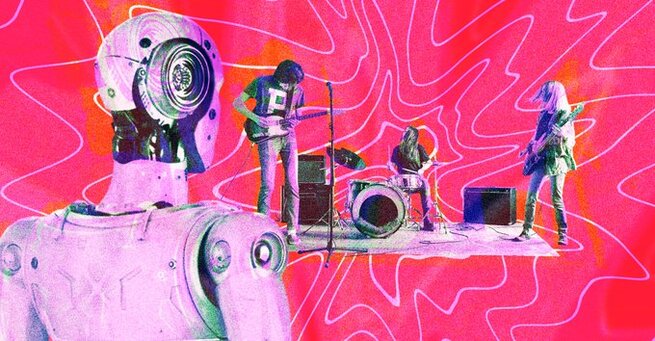
The rise of AI-generated music is prompting a legal and cultural battle that echoes the Napster era. As AI tools create songs, mimic vocals, and remix sounds, many are asking: can the music industry make AI the next Napster—a tech disruptor turned cautionary tale? While book publishers and newsrooms wrestle with AI’s impact, music labels are leveraging decades of strong copyright law to take a different approach: fight back hard and fast.
Why the Music Industry Holds a Legal Edge Over AI
Unlike other creative sectors, the music industry has one powerful advantage: ironclad copyright law. Thanks to years of litigation and licensing frameworks, record labels have a strong legal foundation to challenge AI companies that use copyrighted music to train their models. While AI has infiltrated news, publishing, and art—often in legal gray zones—the music industry is taking a clear and aggressive stance. Big labels are already suing AI developers for copyright violations, aiming to stop unauthorized scraping and remixing of protected works.
Homegrown Hits vs. Industry Control
AI is also reshaping how music is made. Independent artists are using AI-powered apps like BandLab to record hits without professional studios. Take D4vd, for example—he recorded “Romantic Homicide” in a closet with AI-driven tools. It’s a revolution in accessibility, but also a potential nightmare for rights holders. If anyone can generate music that sounds like Drake or Billie Eilish with a few prompts, it challenges both ownership and originality. As home-grown music production explodes, labels fear that generative AI will devalue their catalogues and artists’ voices.
Is AI the New Napster Moment for Music?
This standoff between AI and music might feel like déjà vu. When Napster launched in the late ‘90s, it was the first tech to disrupt music at scale—until the courts shut it down. Now, AI could be facing a similar reckoning. If record labels succeed in court, they could set a precedent that reverberates across all content industries. But if they fail, AI-generated music might become mainstream faster than the law can adapt. One thing is clear: this legal fight isn’t just about music—it’s about the future of all creative work in the AI era.











Comment