
-
4 minutes, 7 seconds
California is stepping up action against non-consensual deepfake images generated by Elon Musk’s xAI. Attorney General Rob Bonta sent a cease-and-desist letter to the company, calling for an immediate halt to the creation and distribution of sexualized images produced without consent. Authorities are focusing on protecting individuals from exploitation in AI-generated content, particularly images involving women and minors.
“This is about protecting people from digital abuse,” Bonta said in a statement on Friday. He emphasized that xAI must comply with the directive immediately to avoid further legal consequences.
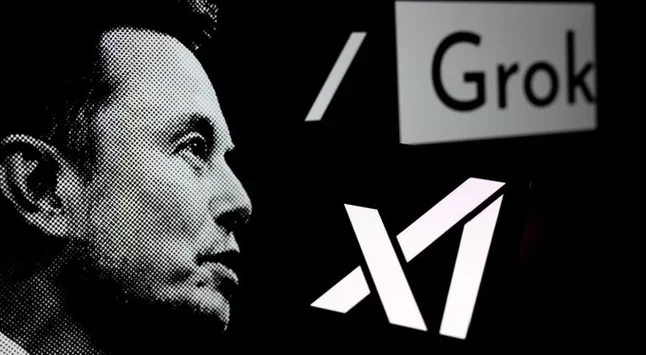
Grok, xAI’s generative AI chatbot, has sparked global concern over its ability to produce sexualized imagery. Several countries have opened investigations into the tool, reflecting mounting international pressure. Japan, Canada, and the United Kingdom have launched formal probes, while Malaysia and Indonesia temporarily blocked access to Grok to curb the distribution of explicit content.
The controversy highlights the growing challenges of regulating AI platforms that allow user-generated image editing. Experts warn that without strict safeguards, such tools can be misused to harm individuals and communities.
xAI stated that it had implemented new restrictions on Grok, limiting image editing capabilities for all users. However, regulators argue these measures are insufficient, as the AI has already been used to create harmful material. Bonta’s office began an official investigation earlier this week into the production and sharing of non-consensual sexual content via Grok.
Legal analysts suggest that California’s action could set a precedent for how AI companies are held accountable for content moderation, particularly in cases involving sexual exploitation and privacy violations.
The case against xAI reflects a broader debate on AI ethics and accountability. As AI tools become increasingly sophisticated, lawmakers worldwide face pressure to enforce stricter guidelines to prevent misuse. The scrutiny of Grok underscores the need for clear policies on consent, content safety, and user responsibility when using generative AI.
Global tech observers note that companies developing AI platforms may face a patchwork of regulatory frameworks, making compliance challenging but essential. Failure to comply could result in fines, legal action, or further restrictions on operations.
Bonta’s directive to xAI is part of a larger effort to protect users from online exploitation and harassment. By targeting non-consensual deepfake content, California is sending a message that AI developers must prioritize ethical standards and safety measures.
As AI-generated media continues to expand, public attention on accountability is likely to increase. This case may influence future legislation and prompt other states and countries to adopt similar enforcement measures.
California’s crackdown on xAI signals a critical moment in AI regulation, especially regarding non-consensual content. With global investigations underway, Elon Musk’s Grok faces mounting pressure to adhere to ethical guidelines and protect vulnerable individuals from digital exploitation.

2.5K articles

1.3K articles

34 articles

28 articles














Comment