Alerts

-
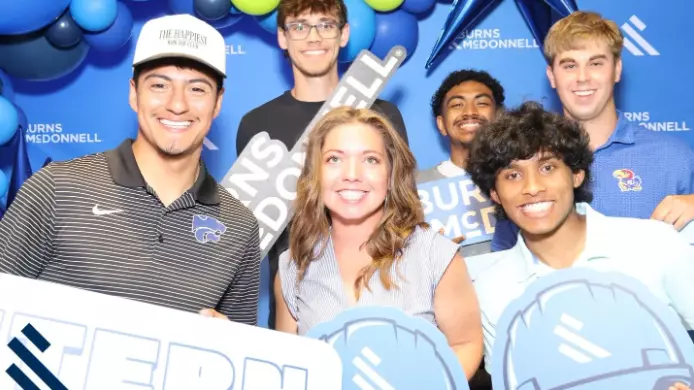
Large-scale industrial projects, such as those undertaken by the engineering, architecture, and construction firm Burns & McDonnell, demand staggering quantities of materials and vast amounts of space. The sheer scale and complexity of a major solar farm, for instance, can leave onlookers in awe. However, according to Rashmi Menon, Burns & McDonnell’s chief people officer, the true foundation of critical infrastructure is the company’s dedicated and passionate workforce.
Menon explains that successful project delivery at every stage requires employees at all levels to unite and hold one another accountable. This collaborative effort is what enables the creation of meaningful products for the communities they serve. The driving force behind this passion, she notes, is the company’s employee-owned structure. Through its Employee Stock Ownership Program (ESOP), Burns & McDonnell fosters a sense of entrepreneurship among its staff. This model grants workers the freedom to develop innovative solutions without the external pressures typically imposed by investors.
“Ownership drives our culture,” says Menon. “And we have a culture of supporting each other for each other’s success.”
This distinctive approach is a key reason why Burns & McDonnell secured the No. 3 position in the state of Missouri on Forbes’ list of America’s Best Employers By State 2026.
To create this eighth annual ranking, Forbes collaborated with the market research firm Statista. Together, they surveyed more than 245,000 employees working for companies with at least 500 employees within the United States. Respondents, representing every state and Washington, D.C., were asked to rate their likelihood of recommending their employer on a scale of zero to 10. They were also asked to evaluate their workplace on several criteria, including:
Participants were also invited to evaluate their previous employers from the last two years, as well as organizations they knew through their industry, friends, or family members who worked there.
All responses were incorporated into a scoring system alongside survey data collected over the past three years. More recent data and responses from current employees within a specific state were given greater weight in the final calculations. Companies achieving the highest scores in each state were then selected for the final lists. Depending on the size of the state and the volume of responses received, each state’s list features between three and 101 employers.
This year’s ranking filled 2,499 total spots, representing 1,365 distinct employers across the country, as several companies earned placement in more than one state. The healthcare industry saw particularly strong representation, reflecting the continued nationwide demand for its services. Among the multi-state honorees were Amazon (ranked in 38 states, including No. 2 in both Arkansas and South Dakota), the U.S. Department of Veterans Affairs (ranked in 28 states), and The Home Depot (ranked in 26 states).
Finding a workplace that genuinely supports its employees goes far beyond a competitive salary. For two major U.S. employers—Providence St. Joseph Health and Duke Energy—building a positive culture starts with listening to staff, investing in their futures, and fostering a deep sense of purpose.
Ranked No. 1 in Alaska, Providence St. Joseph Health operates as a not-for-profit Catholic healthcare system comprising 51 hospitals and more than 1,000 clinics. With a workforce exceeding 119,000 employees across seven states, the organization relies on regular employee surveys to gauge sentiment and gather actionable feedback, according to Mark Smith, Providence’s chief talent officer.
Smith emphasizes that the organization’s identity is rooted in service. “We are a mission-centered, service-focused ministry where caregivers can make a meaningful difference in their communities, particularly for those who are poor and vulnerable,” he says. Employees report feeling connected not only to this mission but also to the organization’s commitment to fostering belonging and personal development.
To support that growth, Providence provides a range of educational and professional development opportunities, including:
Beyond professional development, the healthcare system offers a comprehensive benefits package. This includes backup child and elder care, mental-health resources, and a commitment to competitive wages. Providence leadership notes that the organization consistently monitors market rates to ensure compensation remains fair and attractive for its workforce.
At Duke Energy—ranked No. 4 in South Carolina and No. 9 in North Carolina—employees share a collective sense of purpose rooted in the critical nature of their work. Cameron McDonald, the company’s senior vice president and chief human resources officer, explains that staff members understand they are “literally keeping the lights on” in homes, businesses, schools, and hospitals across the region.
While that mission is powerful, McDonald points to the importance of personal recognition in creating a great workplace. Managers are actively encouraged to acknowledge individual achievements, often through simple, meaningful gestures. These may include:
“None of that sounds flashy, but it matters because people want to know their work was seen and that it made a difference,” says McDonald. “The best recognition is often very personal.”
In addition to a culture of appreciation, Duke Energy supports its team through more traditional benefits. Eligible employees can access paid parental leave—available to both full-time and part-time staff with at least one year of service—along with training and education programs, disability coverage, and a comprehensive suite of health benefits.
The combination of meaningful work, personal recognition, and solid benefits appears to yield tangible results. McDonald notes that the company’s annual turnover rate, excluding those who leave for retirement, sits at just 3%—a strong indicator of employee satisfaction and long-term commitment.
Norton Healthcare, which ranks No. 9 in Kentucky and No. 12 in Indiana on Forbes’ list of America’s Best Employers By State 2026, takes a comprehensive approach to supporting its workforce. With women making up approximately 80% of its employees, the health system—which includes multiple hospitals, outpatient centers, and immediate care locations—has built its benefits strategy around the needs of women at every stage of life.
Katina Greer, Norton’s director for employee experience and human resources, explains that this focus is woven into the organization’s core philosophy rather than treated as a separate initiative. “Supporting women isn’t a separate initiative—it’s central to how we care for our employees,” she says.
That commitment translates into a robust package of benefits designed to support employees through major life events. Staff members have access to:
Greer emphasizes that the approach reflects a broader cultural value at Norton. “We recognize that our employees are people first and supporting them through life’s biggest joys and most difficult challenges is part of our culture,” she says. “It reflects our belief that caring for employees extends beyond the workplace.”










Comment