
Alerts
-
3 minutes, 50 seconds
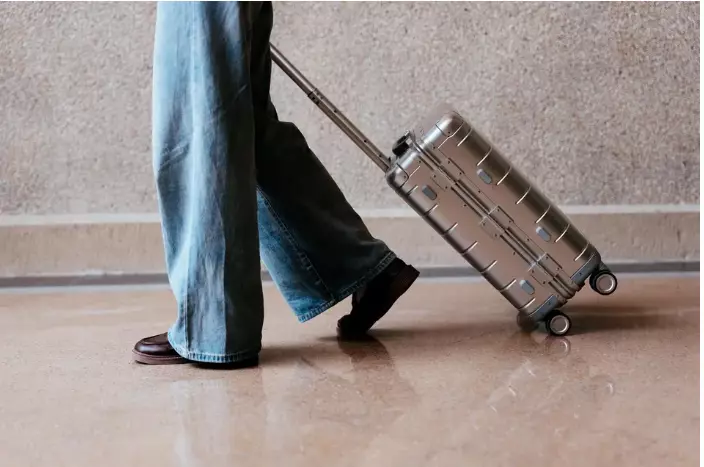
Burned out executives are booking retreats for their nervous systems, seeking real rest instead of packed vacation itineraries. This new trend, called intention-driven travel, focuses on doing less on purpose. Professionals no longer want to tick off bucket-list destinations. They want places that help them reset their pace, sleep better, and feel human again.
The hospitality industry noticed this shift before most employers did. Hotels and retreat centers now design experiences around restoration, not performance. Let's explore why this is happening and what it means for you.
Burnout is not just a buzzword. It's a serious problem. New research shows 82% of employees are at risk of burnout. Burned-out workers are 63% more likely to take sick days and 13% less confident in their performance. Many professionals have quit jobs or accepted lower pay to protect their mental health.
This crisis is fueling the wellness tourism boom. The global wellness tourism market hit $1 trillion in 2024 and is expected to reach $1.68 trillion by 2033. Burnout, not luxury, is the main booking engine.
According to Heike Pacchetti, General Manager of Farmhouse Inn and Liora Estate in Sonoma, people are not just booking massages. They are seeking nervous system relief, mental clarity, and distance from work demands. The phrase "nervous system regulation" has gone mainstream. High-performing professionals want permission to slow down without explaining why.
Key signs you might need a nervous system retreat:
Here's a hard truth: the hospitality industry understands recovery better than most corporate wellness programs. Companies spend about $275 per employee per year on wellness, but only 21% of employees believe their employer cares about their mental health. That's a big gap.
Pacchetti says, "Recovery is not a perk. It is infrastructure." Exhausted professionals don't need another meditation app. They need a real change in environment, expectation, and tempo. The most effective retreats help people feel human again, not just entertained.
Companies are rethinking group travel too. The global corporate retreats market was worth $31.8 billion in 2024 and could double to $73.7 billion by 2034. Countryside retreats saw a 308% increase in popularity between 2023 and 2024.
Modern corporate retreats now include:
These aren't just nice extras. They are outcomes. Nearly 60% of wellness travelers in 2024 said they plan to do it again next year. This is a behavioral shift, not a passing fad.
Why now? Millennials, now in leadership roles, grew up in a work culture that praised constant output. Many are rethinking what that cost them. Anti-hustle culture is not laziness. It's a correction. People are saying ambition should not require depletion.
Emerging trends include:
Modern luxury has changed. It's no longer about big, flashy things. Today's traveler wants privacy, emotional ease, authenticity, and being known by name. A quiet room, a beautiful meal, a walk under trees—that's the new luxury.
If the retreat economy is booming because employers haven't solved burnout, that's worth thinking about. Gallup found that 41% of employees worldwide feel a lot of stress daily. Remote work, which promised flexibility, sometimes made things worse. Fully remote workers report higher stress (45%) than on-site workers (38-39%). The line between work and life has disappeared for many.
Even on vacation, guests often carry work with them. Hospitality has learned to design for that reality. The question is: are employers paying attention?
For now, the retreat economy is filling the gap. Places that offer quiet, nature, unhurried meals, and genuine care are thriving. As Pacchetti says, "People perform better when they are rested, connected, and cared for."
Whether you're an executive, a manager, or a team member, your nervous system deserves a break. Booking a retreat designed for restoration could be the best investment you make.










Comment