Alerts

-
2 minutes, 48 seconds
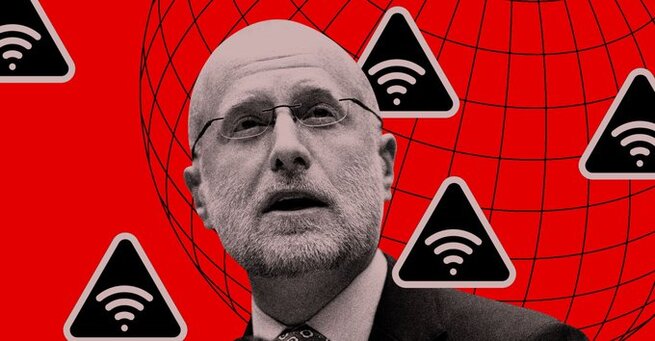
Broadband customers could soon face unexpected charges, as Brendan Carr wants to let internet providers charge hidden fees again. The FCC chairman has proposed changes to the rules requiring ISPs to itemize every fee on monthly bills, claiming that some requirements “may confuse customers.”
The proposal responds to complaints from ISPs who say that a Biden-era transparency rule, effective April 2024, has made billing too complex. This rule required providers to either create a broadband “nutrition label” for clear fee comparison or fold all hidden charges into the total price.
Internet service providers argue that listing every fee—including location-based, machine-readable, and multi-lingual labels—is burdensome. They claim it adds complexity with little benefit to consumers. The FCC’s proposal now looks to scale back these labeling requirements.
The FCC isn’t eliminating itemized labels entirely but is targeting the most cumbersome requirements. This includes online and phone access to detailed labels, multilingual reporting, and other specifications that regulators deem “unduly burdensome.” Experts warn that these changes may make it harder for customers to compare broadband plans accurately.
Carr’s proposal is part of his broader “Delete, Delete, Delete” campaign, aimed at reducing government regulations. The initiative has received backing from the Internet and Television Association (NCTA), which lobbied to remove fee transparency rules under this policy. A vote on the changes is scheduled for October 28th and will require full FCC approval.
If approved, broadband buyers could once again encounter hidden fees without clear labeling. Advocates for consumer protection warn that reduced transparency may undermine competition and make it harder to shop for affordable internet.
In a blog post, Carr defended the proposal, saying the focus remains on “consumer protection” and separating “the wheat from the chaff,” but critics argue the move favors ISPs over subscribers.










Comment