U.S. Border Agents to Photograph Drivers Leaving the Country: What to Know
Travelers often ask: Will U.S. border agents scan faces when leaving by car? The answer is yes. Customs and Border Protection (CBP) has announced plans to photograph every individual departing the United States by vehicle using advanced facial recognition technology. This move is part of CBP’s expanding efforts to match travelers' faces to their passports, visas, or other official documents at land border crossings. With no definitive timeline shared yet, the rollout of this program signals a major evolution in how America monitors outbound international travel, reinforcing national security while raising concerns about privacy and surveillance.
CBP Expands Facial Recognition Beyond Airports
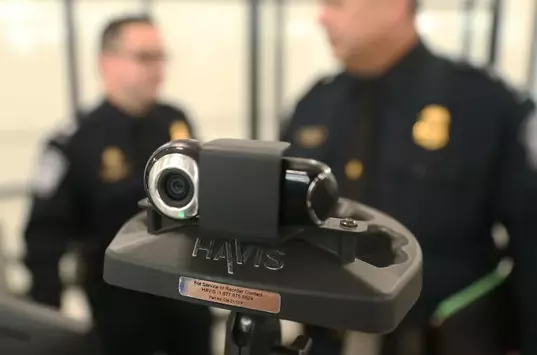
Facial recognition technology is already common at airports nationwide, but CBP is now pushing its use to vehicle exits. Speaking to Wired, CBP spokesperson Jessica Turner confirmed that the agency is working to integrate biometric verification into outbound car lanes. This expansion builds on the current practice of photographing travelers as they enter the U.S. and matching images against official government records like passports, visas, and green cards.
CBP’s goal is clear: seamless identity verification and bolstered security, even at high-traffic land borders. However, the lack of a public rollout date leaves many questions about implementation and privacy safeguards unanswered.
A Decade of Biometric Innovation at U.S. Borders
CBP’s efforts to capture biometric data from travelers are not new. The agency began testing biometric exit technology at airports nearly a decade ago. Starting in 2016, CBP partnered with Delta Air Lines to photograph passengers boarding international flights, such as those at Hartsfield-Jackson Atlanta International Airport. What began as a pilot program has since expanded significantly.
Today, CBP’s “biometric facial comparison technology” operates at 57 airports across the U.S., including major hubs like Los Angeles International Airport, Dallas-Fort Worth International Airport, and New York’s JFK Airport. These airports handle millions of travelers annually, making them strategic locations for the government’s growing database of traveler biometrics.
Why CBP Prefers Facial Recognition Over Other Biometrics
According to John Wagner, Deputy Assistant Commissioner of CBP’s Office of Field Operations, facial recognition is far more intuitive than alternatives like fingerprinting or iris scanning. “Everybody knows how to stand in front of a camera and have their photo taken,” Wagner explained. In contrast, processes like fingerprinting often require additional instruction, slowing down security operations.
Although facial recognition is the preferred method, CBP agents also collect travelers' fingerprints using handheld devices known as Biometric Exit Mobile units. These fingerprints are cross-referenced against law enforcement databases to detect criminal activity.
Beyond Entry: Why Track Departures?
Many travelers wonder: Why is CBP photographing people leaving the U.S.? Part of the motivation is immigration enforcement. Monitoring outbound travelers helps authorities track self-deportations—people who voluntarily leave the country after overstaying visas or facing immigration violations.
The Department of Homeland Security (DHS) has historically struggled to deport every undocumented immigrant due to resource constraints. Under former President Donald Trump’s administration, voluntary departure programs were incentivized with cash offers. Biometric tracking at borders ensures that departures are documented accurately and that individuals with criminal records are flagged before exiting the country.
Mass Surveillance Concerns: A Growing Debate
Although expanded surveillance began before Trump’s tenure, his administration accelerated these initiatives. CBP’s drive to capture and store biometric data highlights a broader trend: the blurring of lines between criminal enforcement and national security. Since DHS’s creation following the September 11 attacks, the government has increasingly treated all international travelers as potential security threats.
Advocates argue that biometric exit systems improve national security and streamline immigration enforcement. Critics, however, warn about the risks of mass surveillance, data breaches, and violations of civil liberties. As biometric technology becomes a permanent fixture at land borders, debates over privacy, human rights, and government transparency are likely to intensify.














Comment