
Bolt Free Shelving System vs Traditional Shelving: Which Is Better?
-
5 minutes, 39 seconds
Choosing the right storage solution can make a big difference in how you organize your warehouse, office, retail store, or even your home. Many people compare a bolt free shelving system with traditional shelving because both offer practical storage, but they work in different ways.
A bolt free shelving system has become one of the most popular choices due to its quick installation, flexibility, and modern design. Traditional shelving, on the other hand, has been used for many years and is still suitable for certain applications.
This guide compares both options in simple language. By the end of this article, you'll understand their features, advantages, disadvantages, and ideal uses. Whether you're setting up a new warehouse or upgrading your existing storage, this comparison will help you make the right decision
What Is a Bolt Free Shelving System?
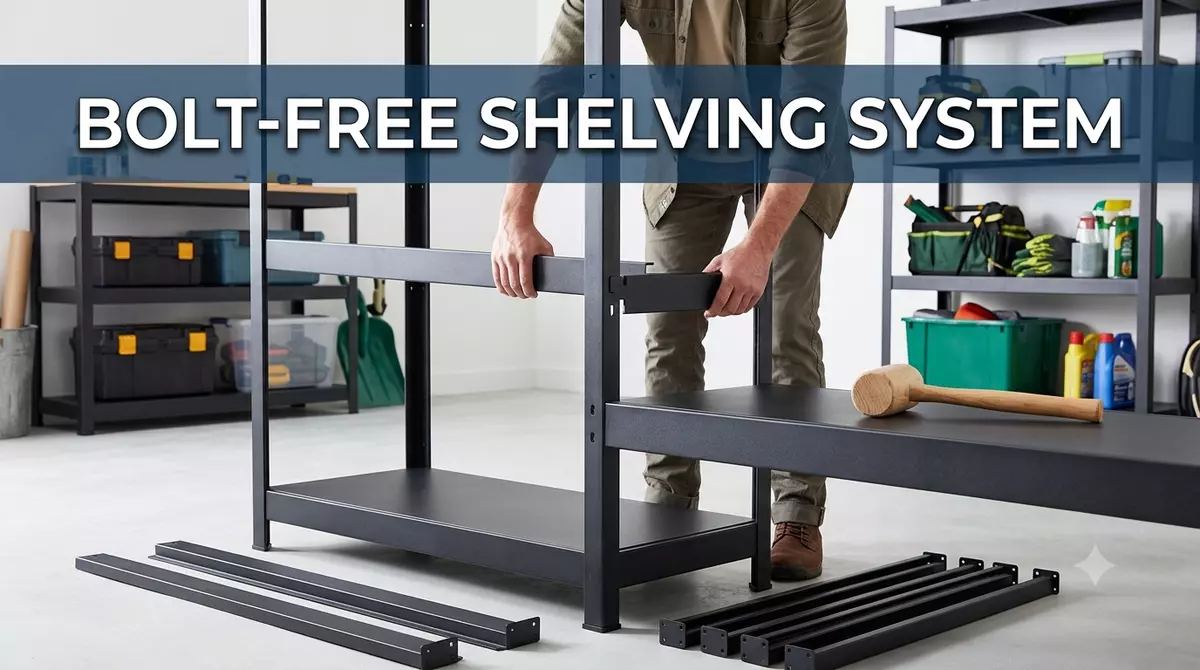
A bolt free shelving system is a storage rack that does not require nuts, bolts, or screws during assembly. Instead, the shelves lock together using specially designed connectors, making installation fast and simple.
Unlike traditional shelving, which often needs tools and hardware for assembly, bolt free shelving uses an easy slot-and-lock mechanism. Most people can assemble it within minutes.
These shelving systems are commonly used in:
- Warehouses
- Retail stores
- Offices
- Factories
- Garages
- Archives
- Distribution centers
The biggest reason behind their growing popularity is flexibility. If your storage needs change, you can quickly adjust shelf heights or expand the system without major effort.
What Is Traditional Shelving?
Traditional shelving refers to storage racks assembled using nuts, bolts, screws, and tools. These systems have been used for decades in warehouses and commercial buildings.
Although traditional shelving is reliable, installation usually takes longer because every shelf must be secured with hardware.
Traditional shelving is commonly found in:
- Industrial warehouses
- Manufacturing plants
- Heavy-duty storage rooms
- Older storage facilities
These shelves provide good strength but often require professional installation when dealing with large storage systems.
Bolt Free Shelving System vs Traditional Shelving
Let's compare both options across the factors that matter most.
1. Installation
The biggest advantage of a bolt free shelving system is quick assembly.
Most units can be installed without special tools. Simply connect the uprights and beams, then place the shelf panels.
Traditional shelving requires bolts, nuts, spanners, and more installation time.
Winner: Bolt Free Shelving System
2. Flexibility
Storage requirements often change over time.
A bolt free shelving system allows you to move shelves higher or lower whenever needed. This makes it perfect for businesses with changing inventory.
Traditional shelving usually requires partial disassembly before making adjustments.
Winner: Bolt Free Shelving System
3. Strength
Traditional shelving has long been known for handling heavy loads.
However, modern bolt free shelving has improved significantly. High-quality models now support substantial weight while maintaining stability.
For extremely heavy industrial equipment, traditional heavy-duty steel shelving may still have an advantage.
Winner: Tie (Depends on application)
4. Maintenance
A bolt free shelving system contains fewer small parts.
Since there are no bolts that loosen over time, maintenance becomes easier.
Traditional shelving may require regular tightening of hardware to maintain stability.
Winner: Bolt Free Shelving System
5. Cost
Although prices vary depending on size and materials, a bolt free shelving system often saves money through lower installation costs.
Less installation time means lower labor expenses.
Traditional shelving may involve additional installation and maintenance costs.
Winner: Bolt Free Shelving System
Benefits of Choosing a Bolt Free Shelving System
Here are the biggest advantages of using modern bolt free shelving.
Easy Installation
Most systems can be assembled quickly without hiring professionals.
Adjustable Shelves
Shelf heights can be changed whenever storage needs change.
Clean Appearance
Bolt-free designs create a neat, professional look that suits offices and retail stores.
Better Space Utilization
You can organize products more efficiently because shelves are easy to reposition.
Long Service Life
Quality steel construction provides durability and corrosion resistance for years.
Easy Expansion
Need more storage later?
Simply add additional shelving units without rebuilding your existing setup.
When Should You Choose Traditional Shelving?
Traditional shelving is still a practical option in certain situations.
Choose traditional shelving if you:
- Store extremely heavy machinery
- Need permanent storage layouts
- Already have existing bolt-based shelving systems
- Prefer fixed shelving with minimal adjustments
For industries with constant layouts and very heavy materials, traditional shelving continues to perform well.
Common Mistakes to Avoid
Choosing the wrong shelving system can lead to wasted money and poor organization.
Buying Only Based on Price
The cheapest option isn't always the best.
Instead, consider durability, future expansion, and maintenance costs.
Ignoring Load Capacity
Always check how much weight each shelf can safely hold.
Overloading shelves creates safety risks.
Not Measuring Available Space
Measure your room carefully before purchasing shelving.
Proper planning helps maximize storage capacity.
Choosing Non-Adjustable Storage
Business needs change over time.
Selecting an adjustable bolt free shelving system gives you more flexibility in the future.
Ignoring Build Quality
Choose powder-coated steel shelving from trusted manufacturers to ensure long-term performance.
Where to Find More Information
If you'd like to learn more about storage solutions, consider these reliable resources:
- Rack Manufacturers Institute (RMI) for storage safety standards
- Material Handling Industry (MHI) for warehouse best practices
- Manufacturer product guides and installation manuals
- Warehouse planning consultants
- Industrial storage equipment suppliers
Additionally, following warehouse technology trends can help you choose shelving systems that improve efficiency and workplace safety.
Which Shelving Option Is Better?
For most businesses, a bolt free shelving system offers greater value.
It is:
- Faster to install
- Easier to expand
- More flexible
- Simpler to maintain
- Cost-effective over time
Traditional shelving still has advantages in highly specialized industrial environments that require permanent heavy-duty installations.
If your goal is flexibility, organization, and easy installation, bolt free shelving is usually the smarter investment.
Conclusion
Both shelving types have their strengths, but for most modern warehouses, offices, retail stores, and commercial spaces, a bolt free shelving system provides the perfect balance of durability, flexibility, and ease of use. Before making a purchase, compare your storage needs, available space, and future growth plans. If you're looking for a reliable storage solution, explore high-quality bolt free shelving options from Abazar Shelving and choose a system that keeps your workspace organized, efficient, and ready for future expansion.
FAQs
1. Why is a bolt free shelving system better than traditional shelving?
A bolt free shelving system is easier to install, requires fewer tools, offers adjustable shelves, and usually costs less to maintain than traditional shelving.
2. Can a bolt free shelving system hold heavy loads?
Yes. High-quality steel bolt free shelving systems are designed to support heavy loads. Always check the manufacturer's load capacity before use.
3. Where is a bolt free shelving system commonly used?
These shelving systems are widely used in warehouses, retail stores, offices, factories, archives, garages, and distribution centers because they offer flexible and efficient storage.


Contact Information
Suggested Writers
-

7.6K articles
-

2.5K articles
-

1.3K articles
-

34 articles




Comment