
-
4 minutes, 4 seconds
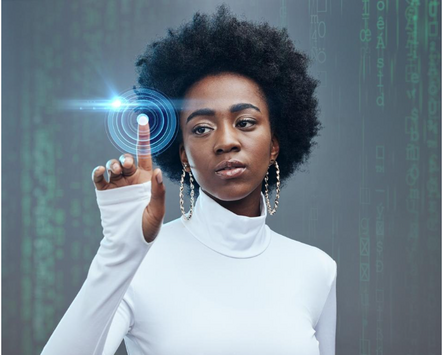
A new wave of Black AI influencers is taking over social media platforms like TikTok and Instagram—hyper-realistic, AI-generated Black women personas created by text-to-video technology. But behind the flashy visuals and viral appeal lies a disturbing trend: Black women’s aesthetics, talent, and online influence are being digitally replicated—without consent or compensation. This blog explores the exploitation of Black women in AI spaces, how it reflects a long history of erasure, and what real creators can do to fight back.
If you’ve recently searched for "AI influencer," chances are you’ve seen AI-generated Black women dominating the results. They often appear in exaggerated, hyper-sexualized or stereotypical ways—a disturbing digital echo of minstrel caricatures. While these influencers look like real people, subtle giveaways like distorted lighting and mismatched audio reveal their artificial nature. This is more than just technology gone too far—it’s the digital extraction of Black women’s cultural influence for commercial gain, without recognition or pay.
Even before AI, Black women influencers were being paid less and recognized less. A 2024 report by SevenSix Agency found Black influencers earn 34.04% less than white influencers on average. Studies by Stanford and other institutions echo this injustice: Black content creators are consistently underpaid and underbooked by brands. Now, they’re not just competing with each other—they’re up against virtual clones built from their likeness. The growing popularity of these AI influencers threatens to make an already inequitable industry even more exploitative.
These AI personas don’t appear out of thin air. The data that trains them—images, speech patterns, stylistic cues—are often pulled from real Black women creators, usually without permission. This digital mimicry becomes a new kind of "Blackfishing," but powered by algorithms. Brands may soon prefer AI over real creators: no contracts, no negotiations, no accountability. This puts Black women creators at risk of further income loss and public invisibility in a space they helped build.
While laws around AI ethics lag behind, creators don’t have to stay silent. Here’s how to push back:
Secure your likeness: Research legal options for protecting your image, voice, and persona.
Call it out: Publicly identify AI content that mimics Black aesthetics without credit.
Build community: Join collectives that support Black influencers in brand negotiations and AI policy advocacy.
Educate your audience: Help your followers understand how AI harms real creators and share ways they can support you.
We may not be able to stop the rise of AI, but we can demand better policies, protections, and fair pay. The power of culture has always belonged to real people—not code.

7.8K articles

1.4K articles

34 articles

28 articles













Comment