
Alerts
-
3 minutes, 46 seconds
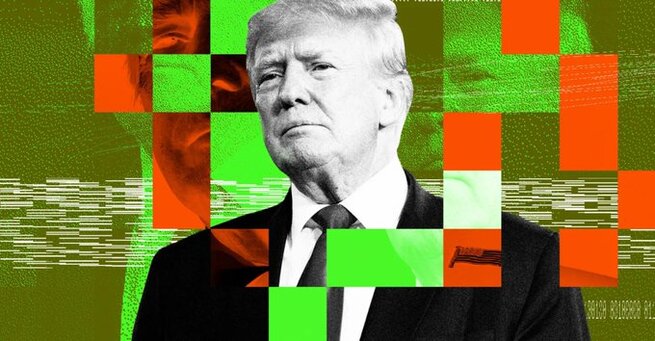
Big Tech is ‘donating’ to Trump’s ‘nonprofits,’ and it’s stirring major controversy ahead of the 2024 election. These so-called donations aren’t going directly to campaign funds — instead, they’re flowing through nonprofits and political organizations that back Donald Trump’s agenda.
The question many are asking: why are Silicon Valley giants quietly funding pro-Trump causes when they’ve previously been critical of his policies? The answer might reveal how Big Tech is adapting to a shifting political landscape where influence, regulation, and access matter more than ideology.
Unlike traditional campaign contributions, these donations often move through nonprofits and advocacy groups aligned with Trump’s political network. This strategy helps companies avoid direct political scrutiny while still gaining favor with the next potential administration.
Sources suggest that corporate PACs and lobbyists are finding creative ways to “give” without technically donating to Trump himself — a tactic that may sidestep campaign finance laws but still yield access and policy influence.
After years of public clashes with Trump over misinformation, censorship, and antitrust threats, tech companies now face a more pragmatic reality. If Trump returns to the White House, Big Tech wants a seat at the table rather than being left out of regulatory decisions.
Behind closed doors, executives reportedly view this as a strategic investment — a way to rebuild relationships, ensure policy predictability, and protect their interests in areas like AI regulation, data privacy, and Section 230 reform.
Trump’s network of nonprofits, like America First Policy Institute and MAGA Inc., acts as a shadow campaign infrastructure. These groups can accept unlimited donations and spend freely to support his policies and allies — all while avoiding the strict oversight that applies to official campaign committees.
By channeling funds through these entities, Big Tech companies can appear neutral in public while quietly backing initiatives that could benefit them under a Trump administration.
Critics argue that these so-called donations blur the line between philanthropy and influence-buying. Supporters claim it’s just good business — ensuring favorable policies no matter who wins in November.
Either way, the optics of Big Tech “donating” to Trump’s nonprofits raise critical questions about transparency, ethics, and the growing intersection of politics and corporate lobbying.
As the election nears, watchdogs and journalists are urging regulators to take a closer look at these nonprofit networks — and the billion-dollar influence machines quietly shaping U.S. politics behind the scenes.










Comment