Alerts

-
7 minutes, 58 seconds
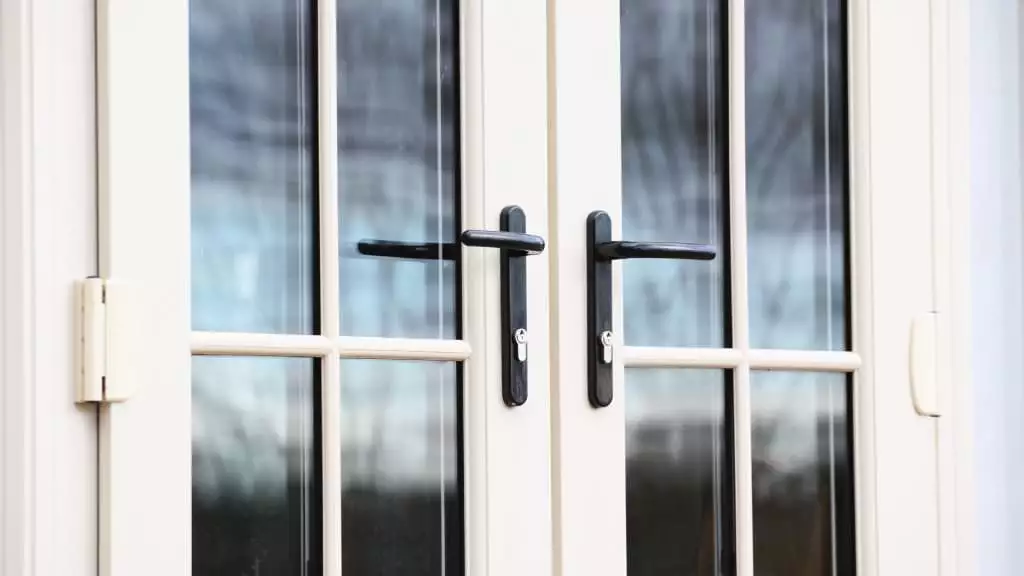
In modern construction and home improvement, hardware quality plays a major role in both functionality and aesthetics. Among these components, UPVC door handles are essential fittings that must combine strength, durability, and visual appeal.
Since uPVC doors are widely used in residential and commercial buildings due to their insulation and low maintenance properties, the handles attached to them must also meet high-performance standards.
Choosing the right material for manufacturing ensures long service life, resistance to environmental conditions, and smooth operation. Poor-quality materials can lead to frequent breakage, discoloration, or mechanical failure. This is why manufacturers carefully select materials that offer an optimal balance of cost, durability, and design flexibility.
The performance of UPVC door handles depends heavily on the material used in their construction. These handles are frequently used, exposed to varying temperatures, and often come into contact with moisture and UV rays. Therefore, material selection is not just about appearance but also about structural integrity and resistance to wear.
A good material must provide:
· High mechanical strength for repeated use
· Corrosion and rust resistance
· Resistance to UV degradation
· Lightweight yet sturdy construction
· Compatibility with different door designs
Manufacturers must also consider production costs and ease of molding or shaping, especially for mass production.
Acrylonitrile Butadiene Styrene (ABS) is one of the most commonly used materials in handle manufacturing. It is lightweight, affordable, and easy to mold into various shapes and designs. ABS plastic also provides decent impact resistance, making it suitable for interior applications.
One of the key advantages of ABS is its versatility. It can be colored easily and finished with coatings that enhance its appearance. However, it is less suitable for heavy-duty or external applications where exposure to harsh weather conditions is constant.
Despite its limitations, ABS remains a popular choice for budget-friendly UPVC door handles used in residential interiors.
Zinc alloy is widely used in the production of high-quality door hardware due to its excellent strength and corrosion resistance. It is heavier than plastic materials, giving handles a more premium and solid feel.
This material is highly favored in manufacturing because it allows for detailed designs and smooth finishes. Zinc alloy components are often coated with chrome, nickel, or powder coatings to enhance both durability and appearance.
For external doors, zinc alloy provides reliable performance under varying environmental conditions, making it a strong contender in the hardware industry.
Stainless steel is one of the most durable and reliable materials used in hardware production. Its primary advantage is its outstanding resistance to rust, moisture, and staining, making it ideal for long-term outdoor use.
It is commonly used in premium-grade fittings where durability is a priority. Stainless steel handles maintain their shine and structural integrity even after years of use, making them a preferred option in modern architecture.
Although more expensive than other materials, its longevity and low maintenance requirements justify the cost.
Aluminum is another widely used material due to its lightweight nature and corrosion resistance. It is easy to shape and can be anodized or powder-coated for improved durability and appearance.
Manufacturers prefer aluminum when they want a balance between strength and reduced weight. It is particularly useful in large-scale production because it is cost-effective and easy to recycle.
However, compared to zinc or stainless steel, aluminum is slightly softer and may not be suitable for heavy-impact environments.
Brass has been used in hardware manufacturing for centuries due to its natural strength and attractive golden appearance. It offers excellent corrosion resistance and antimicrobial properties, making it both functional and decorative.
Brass components are often used in premium designs where aesthetics are just as important as durability. Over time, brass may develop a natural patina, which some users find visually appealing.
While more expensive than modern alloys, brass remains a symbol of quality and elegance in door hardware manufacturing.
Modern manufacturing has introduced polycarbonate and composite materials as alternatives to traditional metals. Polycarbonate is a strong thermoplastic known for its high impact resistance and transparency options.
Composite materials combine different substances to achieve enhanced performance characteristics such as improved strength, reduced weight, and better environmental resistance.
These materials are especially useful in innovative designs where flexibility and customization are required. They are also gaining popularity in eco-friendly manufacturing processes.
When evaluating long-term performance, materials like stainless steel and zinc alloy consistently outperform others. They offer superior resistance to environmental stress, frequent usage, and mechanical wear.
High-quality UPVC door handles often use these materials because they ensure reliability and a longer lifespan. While plastic-based materials like ABS are suitable for cost-effective solutions, metal-based options remain the preferred choice for durability and security.
Manufacturers often combine materials as well, such as using metal cores with polymer coatings, to optimize both performance and design flexibility.
The selection of materials in hardware manufacturing directly influences the strength, durability, and appearance of door fittings. From cost-effective plastics to high-end metals, each material serves a specific purpose depending on the application and budget.
Understanding the properties of ABS, zinc alloy, stainless steel, aluminum, brass, and modern composites helps in making informed decisions when selecting components for doors. Ultimately, high-quality UPVC door handles rely on carefully chosen materials that balance performance, longevity, and aesthetics, ensuring reliable functionality in both residential and commercial environments.


8.4K articles

2.7K articles

1.6K articles

34 articles









Comment